The Museo das Mariñas is a museum of history and ethnography. It is located in the former Convent of Santo Domingo in Betanzos and was inaugurated in 1983. The same building also houses the municipal archive and library. The museum is divided into two floors. On the ground floor, historical pieces from the regions linked to Betanzos are exhibited. One section features Galician jewellery from the Second Iron Age, such as torcs and bracelets. Another section displays various medieval remains, including tombs of figures from the clergy, the nobility, and the town of Betanzos. Notable examples include the presumed physician Fernán Pérez de Andrade (14th century) and his wife Sancha Rodríguez, Nuno Freire de Andrade (15th century), Andrade “the Younger” (c. 15th century), and Irmandiño figures such as Afonso de Carvallido. On the first floor are the doors of the Archive of the Hospital of Saint Anthony of Padua in Betanzos, dating from 1674, as well as oil paintings from the Apostolate of the Rubens School originating from Antwerp. The museum also includes a small costume museum with fabrics, festive attire, traditional Galician dress, and looms. The upper floor further features a collection of symbols of the Spanish Republican government, the Galician nationalist movement, and the Irmandades da Fala of Betanzos.
Betanzos in two days
A cultural and natural getaway to explore the city at a relaxed pace, combining historic heritage, museums and river landscapes
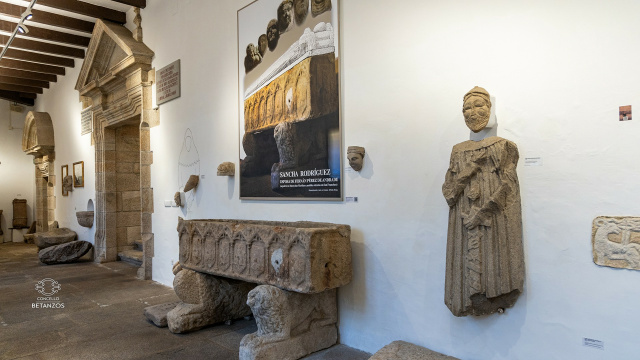
Museo das Mariñas
Extensive ethnographic collection of traditional costumes, photography and history.
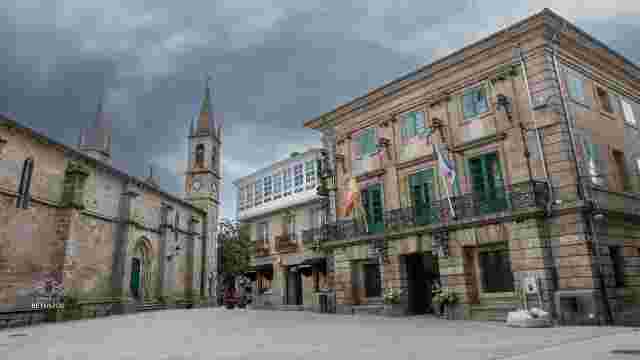
Town Hall
Neoclassical Town Hall designed by Ventura Rodríguez, with historic coats of arms and an outstanding art collection inside.
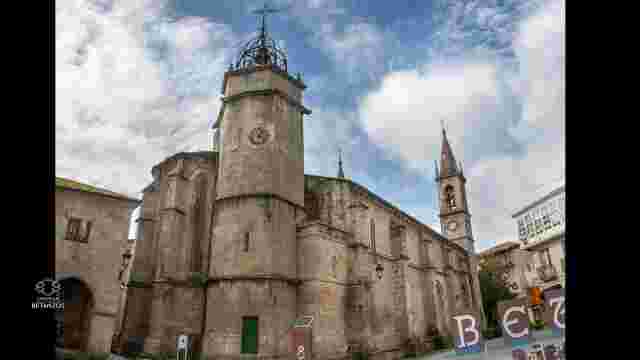
Municipal Clock Tower
16th-century municipal tower attached to the Church of Santiago, hexagonal in plan and featuring a clock decorated with wind reliefs.
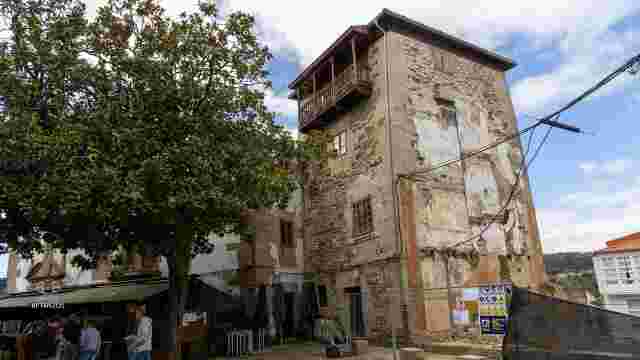
Lanzós Tower
Tower of great historical interest linked to the Irmandiño revolts, rebuilt between the 17th and 18th centuries, an example of a tower with a hat-shaped roof.
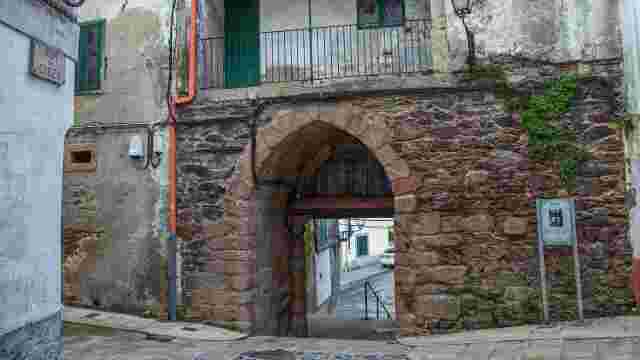
Christ Gate
Medieval gate of Betanzos’ historic centre, also known as Porta da Ribeira or Porta de Paio Fermoso, built in the 15th century.
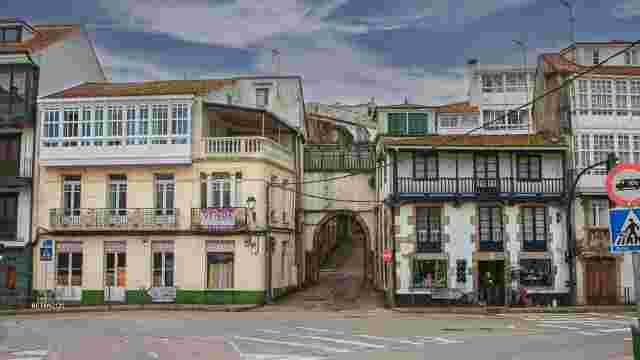
New Bridge Gate
15th-century medieval gate, the best preserved in the city, with remains of towers and a pointed double inner arcade.
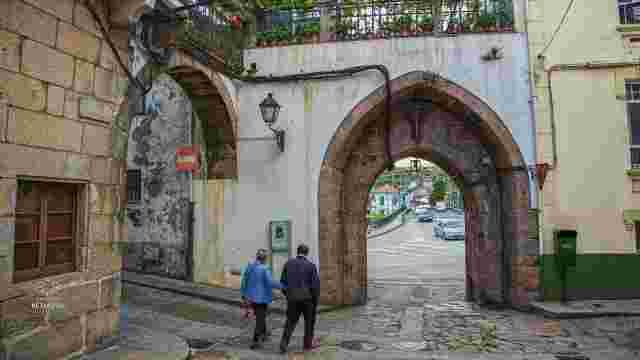
Old Bridge Gate
15th-century medieval gate that preserves the portcullis guides and served as a control point for the weights of market goods.
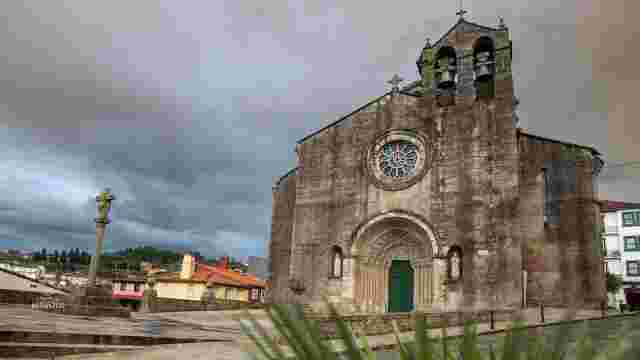
Church of Santa María do Azogue
14th–15th century Gothic church with Flemish altarpieces, mural paintings and tombs of medieval Betanzos society.
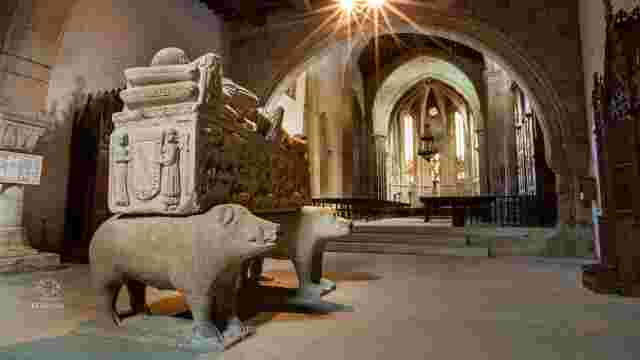
Church and Convent of San Francisco
14th-century Gothic temple declared a BIC, with extraordinary tombs of the Andrade family and rich sculptural decoration.
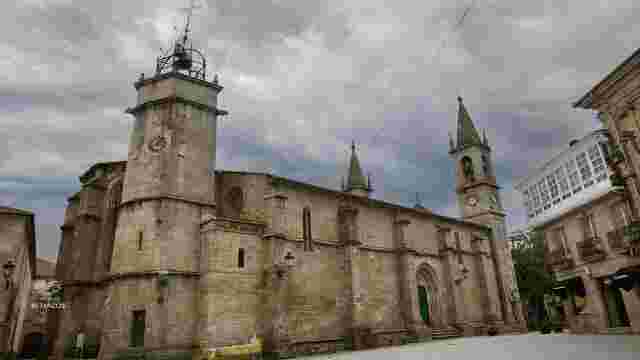
Church of Santiago
15th-century church transitioning from Romanesque to Gothic, linked to Fernán Pérez de Andrade and the Way of Saint James.
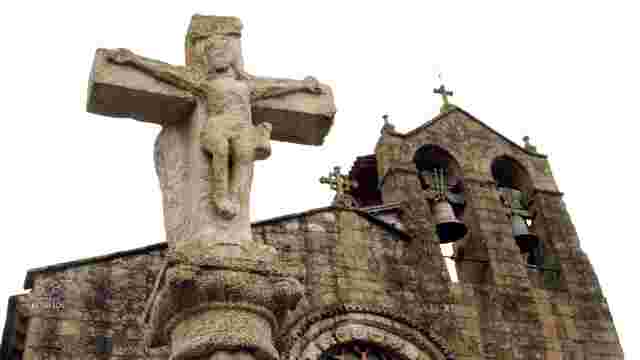
Santa María Stone Cross
Stone cross located in the historic centre of Betanzos.
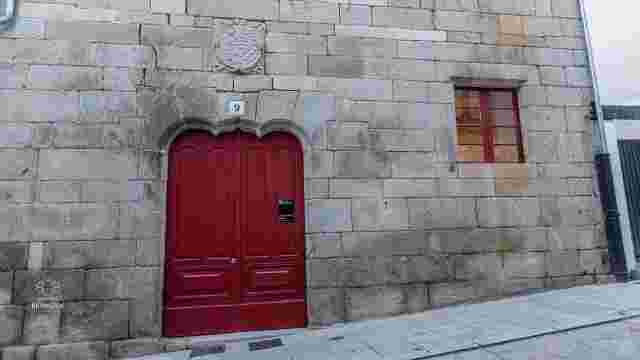
Gothic House or Vilousaz House
16th-century Gothic house built for Lope García de Vilousaz, with a conopial arch and noble coat of arms on the façade.
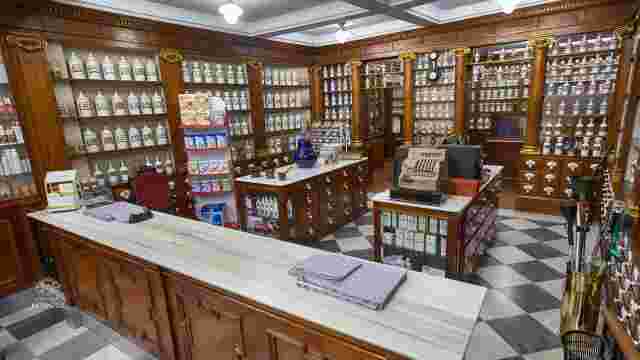
Couceiro Pharmacy
Couceiro Pharmacy, operating since the late 17th century, the oldest commercial establishment in Galicia.
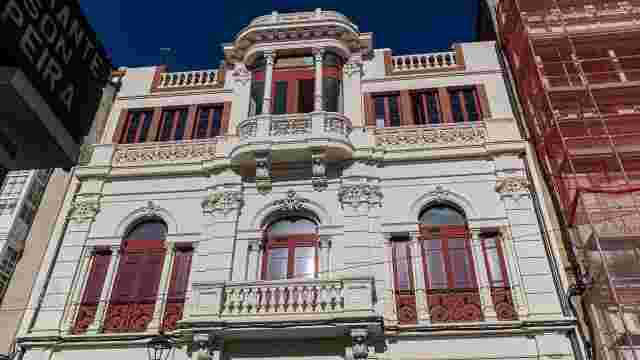
Casa Pita
1906 modernist building on Valdoncel Street, designed by Matías Witz, restored and characterised by balconies and an upper cornice.
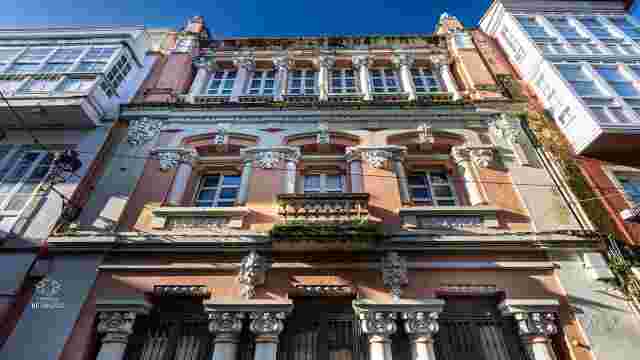
Casa del Pueblo (People’s House)
Building promoted in 1917 thanks to the legacy of Jesús García Naveira for the Federation of Workers’ Societies of Betanzos.
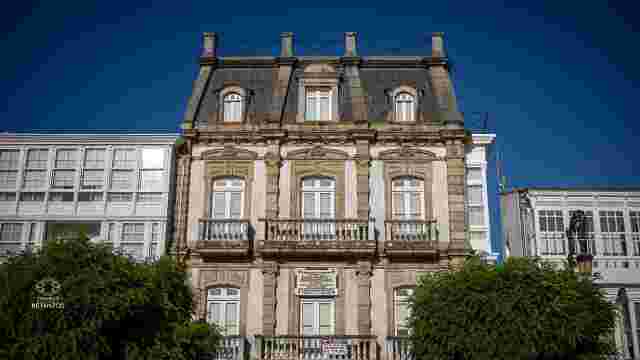
García Naveira Brothers’ House
French-influenced building built in 1890 as the home and business of Juan García Naveira, notable for its use of marble and commemorative plaque.
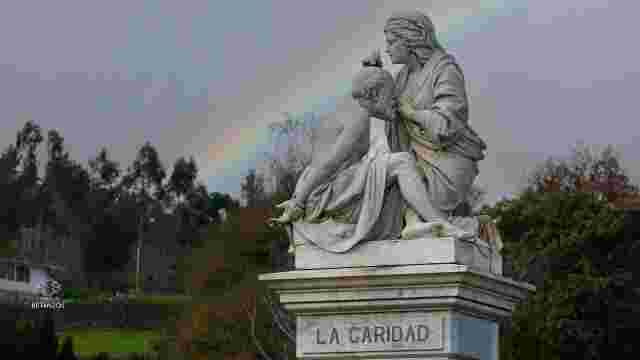
Statue of Charity
Contemporary sculpture “Charity”, a reinterpretation of Roman Charity, symbolising solidarity and the philanthropic legacy of the García Naveira brothers.
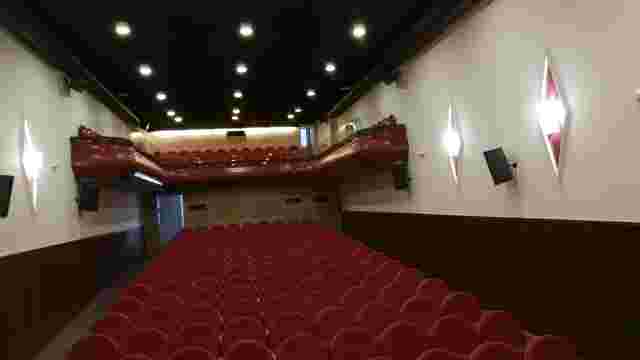
Alfonsetti Cinema-Theatre
Alfonsetti Theatre-Cinema, inaugurated in 1882, one of the oldest cinemas in Spain, now the municipal theatre in the former convent of San Domingos.
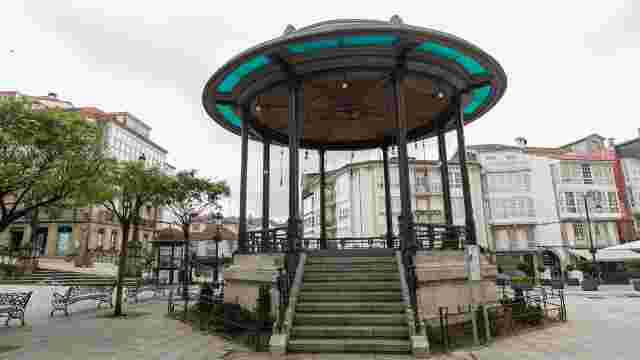
Bandstand
Neoclassical 18th-century manor house, with an L-shaped floor plan and a large heraldic coat of arms, promoted by Archbishop Sánchez Baamonde.
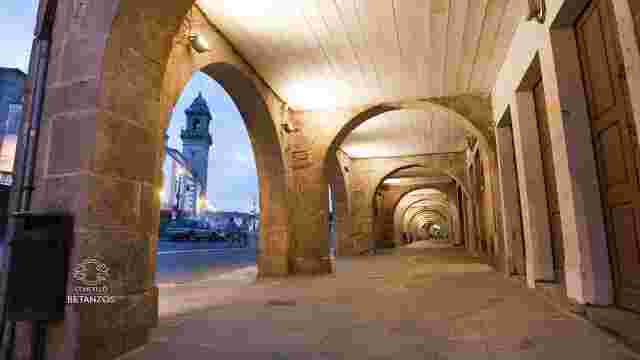
Soportales del Campo Arcades
Popular street with gallery houses and arcades, now an area of bars and restaurants and a social meeting point in Betanzos.
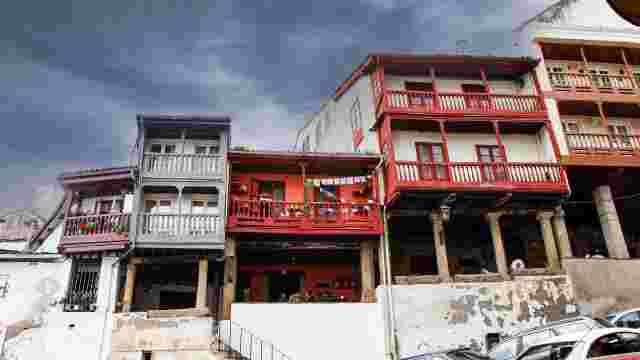
Mariñán-style houses of Fonte de Unta, A Cañota and Rúa Quiroga
Traditional agricultural neighbourhood of Fonte de Unta, characterised by arcades and wooden balconies used as urban granaries.
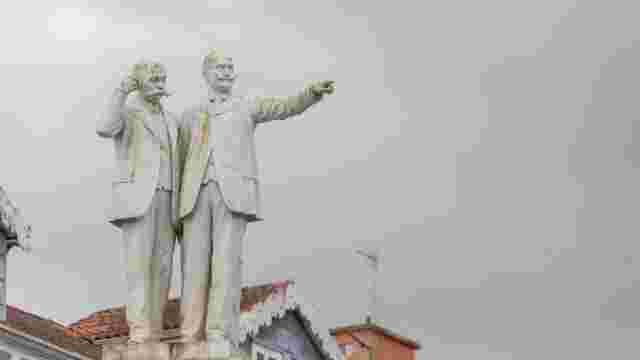
García Naveira Brothers Statue
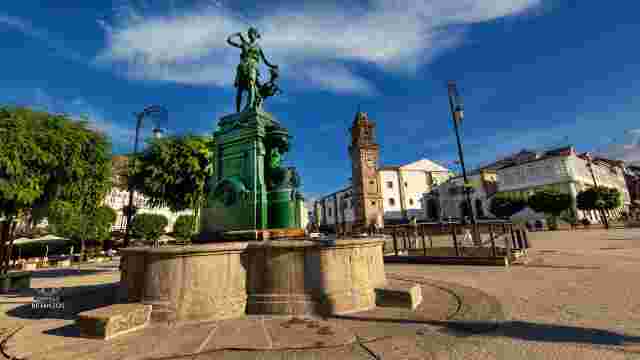
Diana the Huntress Fountain
Monumental fountain inaugurated in 1867, a replica of the Diana of the Louvre and one of Betanzos’ most recognisable urban symbols.
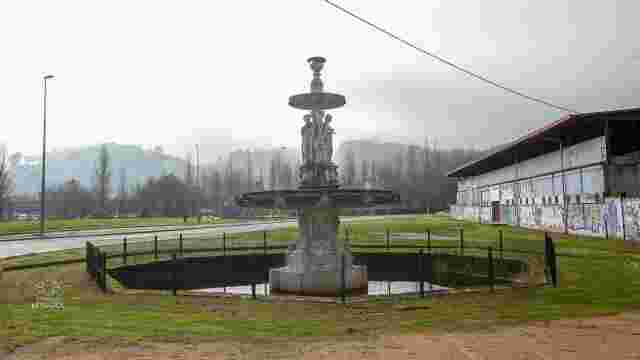
Four Seasons Fountain
Monumental fountain inspired by the Louvois fountain in Paris, decorated with female figures representing the four seasons.
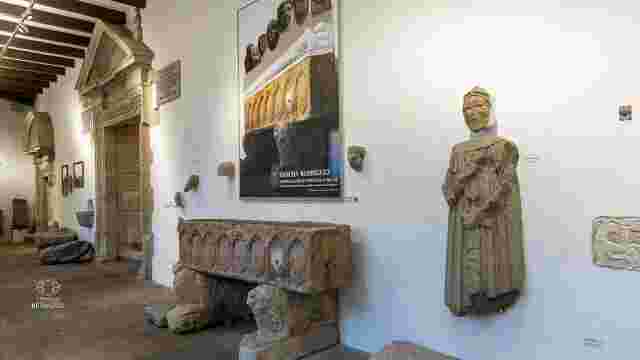
Museo das Mariñas
Extensive ethnographic collection of traditional costumes, photography and history.
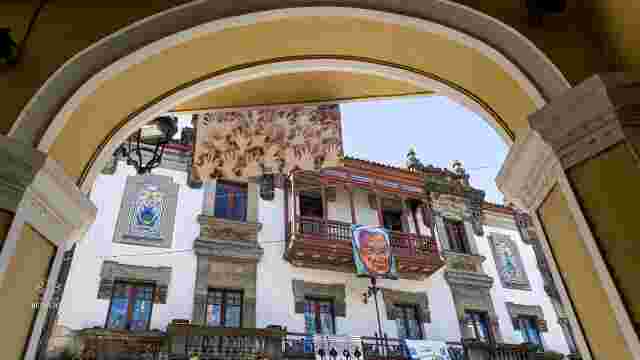
CIEC (International Centre for Contemporary Printmaking)
Printmaking workshop and museum, housed in the modernist building created by Rafael González Villar for the Núñez family.
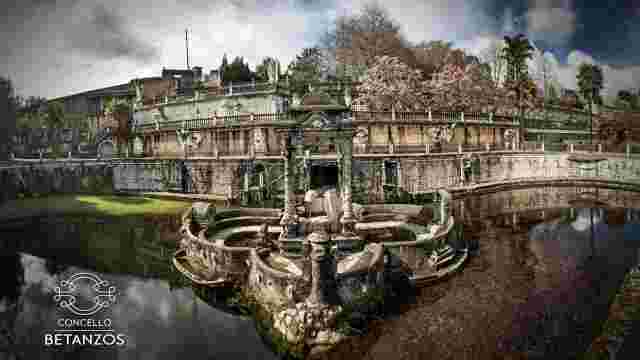
Pasatiempo Park
Historic garden created by Juan García Naveira in the late 19th century, famous for its grottoes, sculptures and social and cultural symbolism.
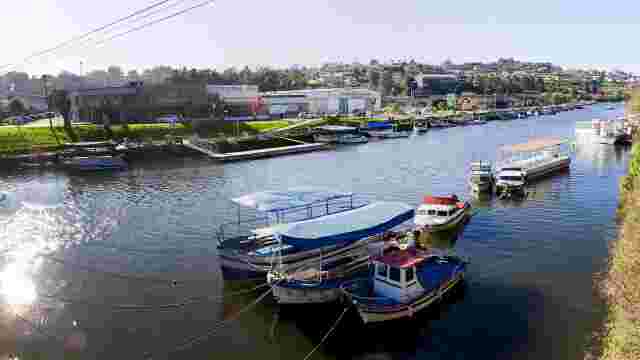
Mendo River
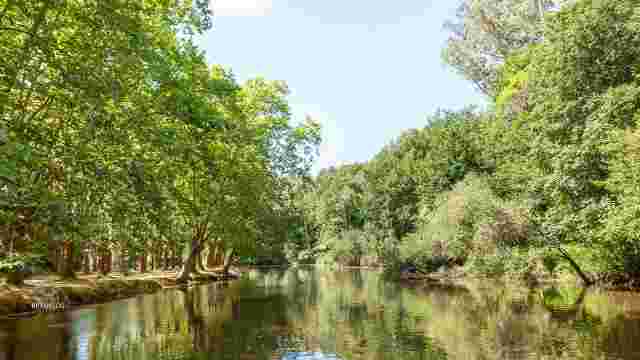
Mandeo River
The Mandeo River stands out for its rich fish fauna and for hosting the Os Caneiros pilgrimage, the largest non-religious pilgrimage in Galicia.
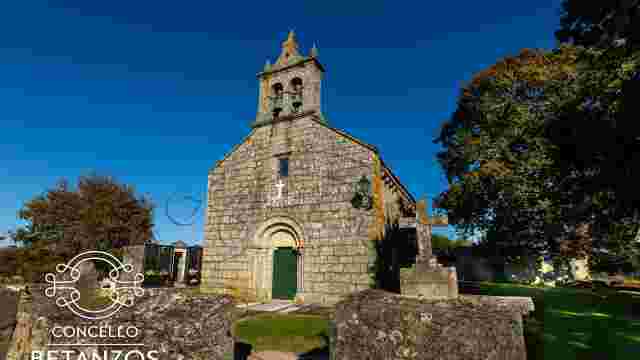
Parish Church of San Martín de Tiobre
12th-century Romanesque church with a single nave and rich sculptural decoration on the portal and bell gable.
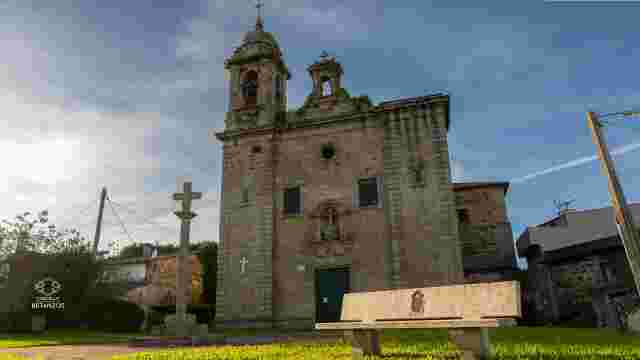
Church of As Angustias
18th-century Baroque church with a Latin cross plan, notable for its imposing stone façade.
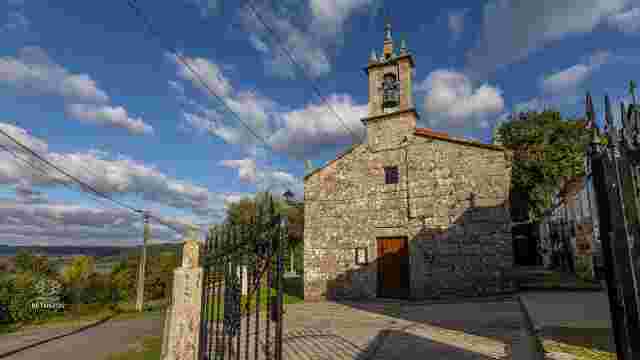
Parish Church of Santa María de Pontellas
13th-century Romanesque church with a single nave, pointed triumphal arch and simple bell gable, a sober example of rural Galician Romanesque.
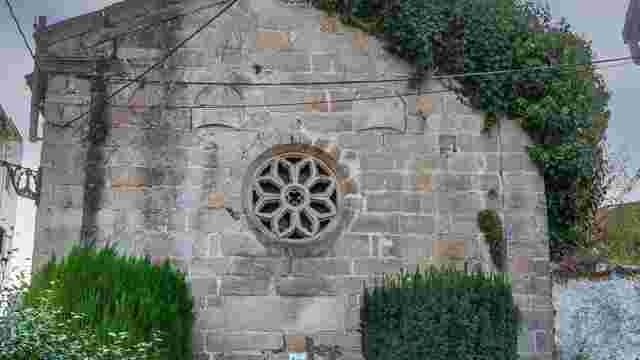
Magdalena Chapel
Small 18th-century chapel, heir to a former medieval hospital for lepers under the dedication of Saint Lazarus.
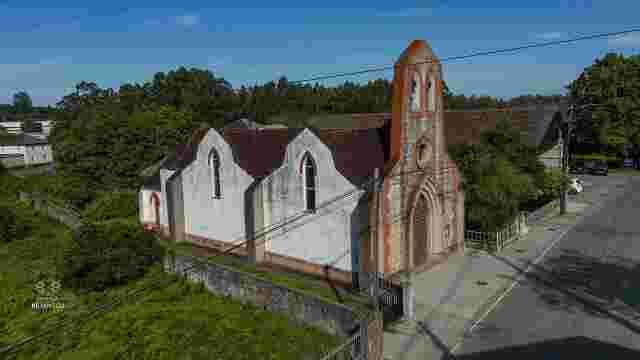
Chapel of Our Lady of Amparo
Neoclassical chapel dedicated to Our Lady of Amparo, with a simple façade and granite niche housing the Virgin’s image.