It emerged in the 12th century as an alternative to the French Way. This route combines a maritime section used by pilgrims from Northern Europe (English, Irish, Nordic, etc.) to avoid inland routes during dangerous periods. It is a mixed route (maritime and inland) that, once the French Way became established as the main pilgrimage route, lost importance but has been revived in recent years and is now walked by many pilgrims. It is an uncrowded route that can be enjoyed at a leisurely pace, offering landscapes that combine sea and countryside, medieval towns, and Galician villages. Therefore, the English Way of pilgrimage to Santiago starts in Ferrol, crosses the Eume region, and reaches Betanzos. This stage is rich in scenic and heritage resources.
Green Routes
Routes through the natural surroundings of Betanzos, linking rivers, paths and landscapes for a relaxed experience in nature.
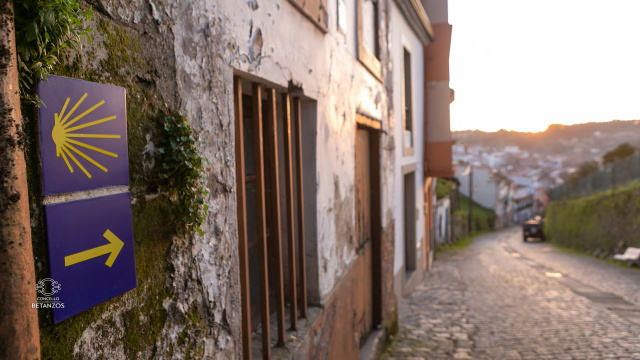
English Way
Historic route of the English Way from Ferrol to Betanzos, lightly travelled, combining sea and inland landscapes, natural scenery and medieval towns.
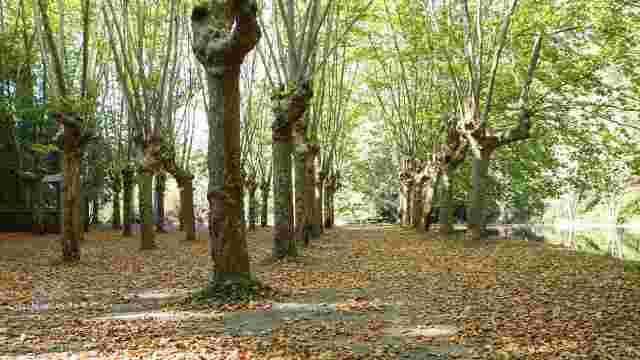
Os Caneiros Route
Linear riverside route of 3.5 km and low difficulty, from Ponte Vella to Campo dos Caneiros, setting of the traditional pilgrimage.
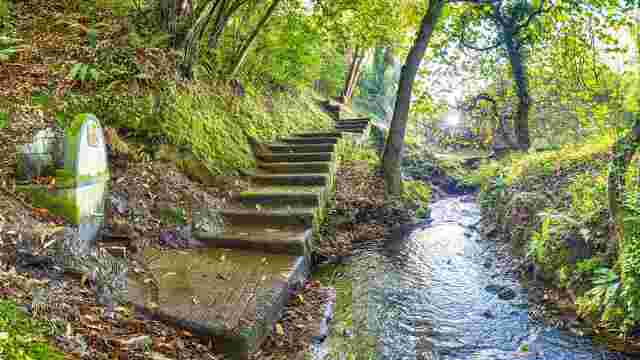
Pelamios Route
Family-friendly route along the Pelamios River, just over 1.5 km long, easy and quiet, ideal for enjoying nature with children.
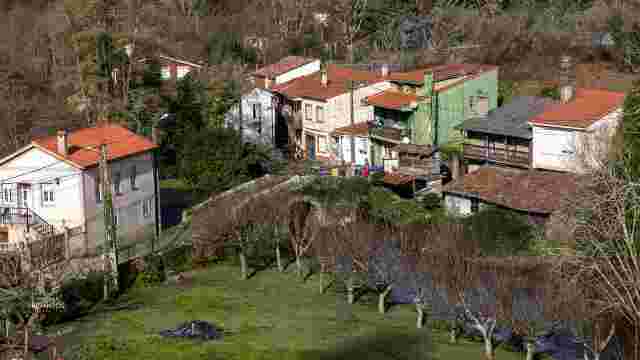
Mendo Riverbanks Route
Natural route starting at the Cascas washhouse and running through villages and medieval bridges until connecting with the Os Cabalos bridge.
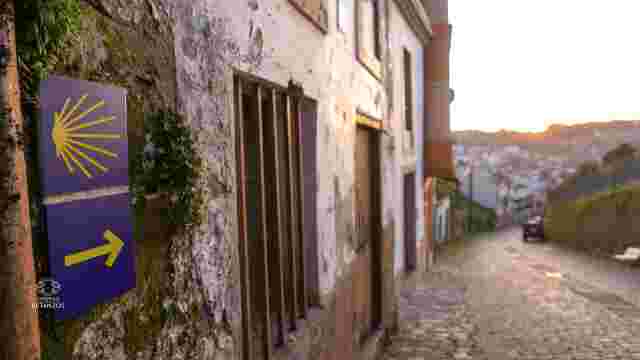
English Way
Historic route of the English Way from Ferrol to Betanzos, lightly travelled, combining sea and inland landscapes, natural scenery and medieval towns.