Built in 1922, Casa da Rega is one of the most relevant and characteristic buildings in the area located to the west of the medieval city of Betanzos. It also stands as a witness to the city’s early 20th-century history and represents a notable example of both Indianos architecture and Galician eclecticism. The building clearly reflects the recognizable principles of its architectural style—academic eclecticism—and can be considered a representative project of so-called “author architecture” within the Indianos tradition, of which only a few examples exist in Galicia. The quality of the project is supported by the fact that its author, Leoncio Bescansa, is one of the most renowned architects of the first decades of the 20th century in Galicia, and Casa da Rega belongs to the period in which he produced his most representative works. The singularity of the building, both in terms of its location and its chosen volume and style, stands out even more today within an area altered by many out-of-context constructions.
Modernism Route
Route showcasing the main examples of modernist architecture in Betanzos and their artistic and historical value.
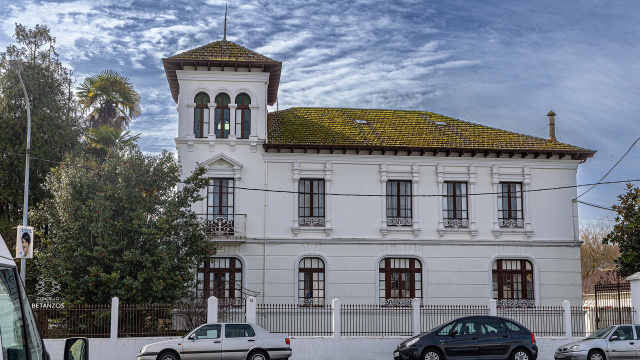
Casa da Rega or Villa Flora
Casa da Rega, built in 1922, an outstanding example of Indianos architecture and 20th-century Galician eclecticism.
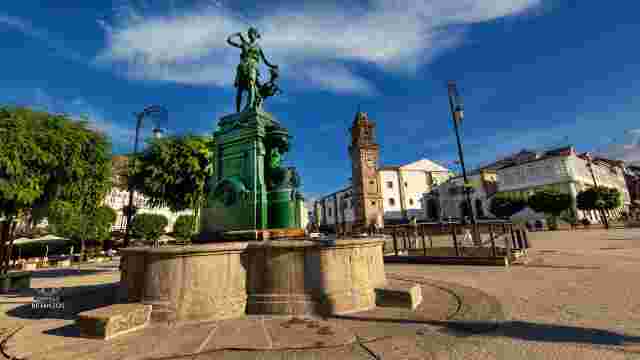
Diana the Huntress Fountain
Monumental fountain inaugurated in 1867, a replica of the Diana of the Louvre and one of Betanzos’ most recognisable urban symbols.
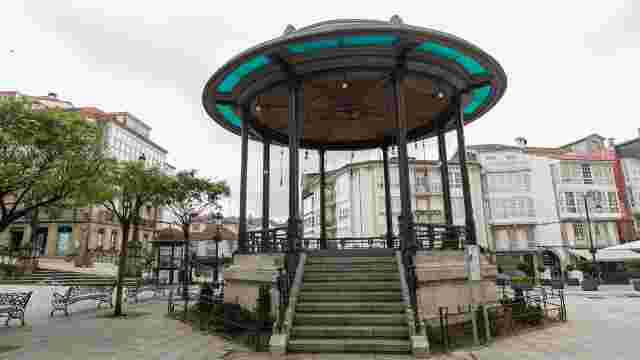
Bandstand
Neoclassical 18th-century manor house, with an L-shaped floor plan and a large heraldic coat of arms, promoted by Archbishop Sánchez Baamonde.
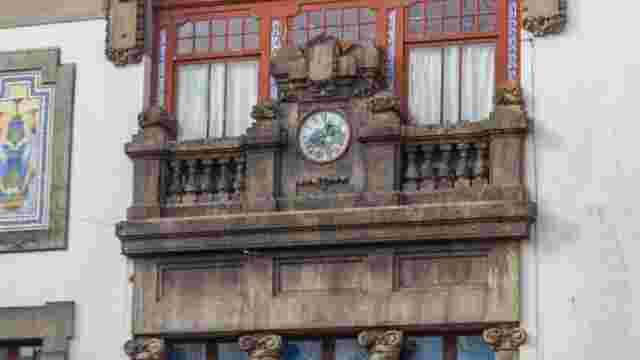
Casa Núñez
Modernist building by Rafael González Villar combining architecture, commerce and art, now home to the CIEC Foundation.
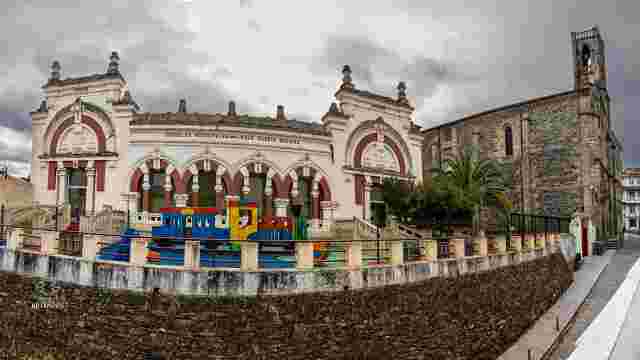
Jesús García Naveira School
Os Cabildos or San Francisco Schools, built in 1917, a unique example of modernist architecture with Islamic and Baroque references.
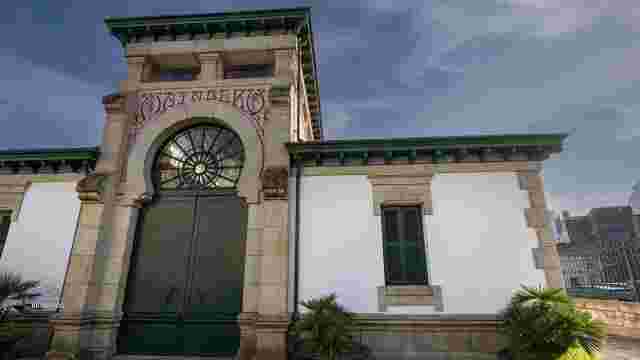
Former Municipal Slaughterhouse
Former municipal slaughterhouse from the early 20th century, with distinctive architecture and iron and tile decoration.
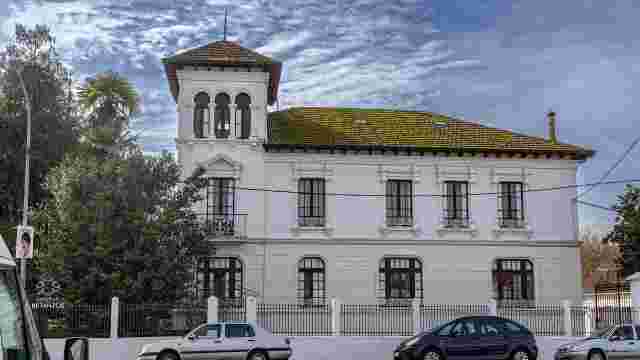
Casa da Rega or Villa Flora
Casa da Rega, built in 1922, an outstanding example of Indianos architecture and 20th-century Galician eclecticism.