A prominent construction within Betanzos architecture. Built in 1903, it replaced a small kiosk dating from 1894 and is closely linked to the many activities of the old Academy of Music, founded in 1854. Architect Rafael González Villar designed the new bandstand, resulting in a work with a highly personal style developed during the years 1927 and 1928. The author defined an open space with an octagonal podium and a circular roof, connected by slender, thin pillars. The decorative effect of the various elements—such as the flattened circular zinc roof, the arrangement of lamps at different heights, the graduated railings with geometric motifs, and the upper finishes of the pillars supporting the roof—clearly reflects the architect’s style. Its characteristic polychromy, also reproduced in the railings and streetlamps in the surrounding areas of the Cantón and Porta da Vila, gave rise to the renowned “Betanzos green,” one of the city’s defining features.
Modernism Route
Route showcasing the main examples of modernist architecture in Betanzos and their artistic and historical value.
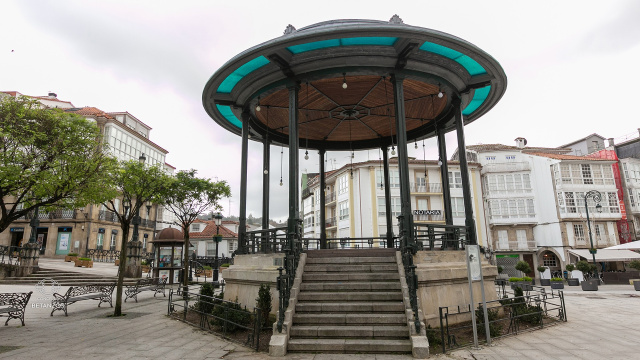
Bandstand
Neoclassical 18th-century manor house, with an L-shaped floor plan and a large heraldic coat of arms, promoted by Archbishop Sánchez Baamonde.
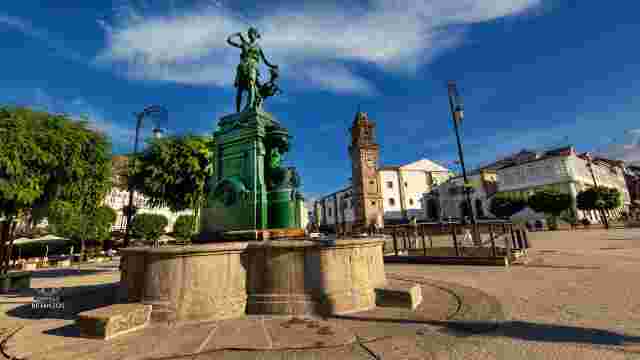
Diana the Huntress Fountain
Monumental fountain inaugurated in 1867, a replica of the Diana of the Louvre and one of Betanzos’ most recognisable urban symbols.
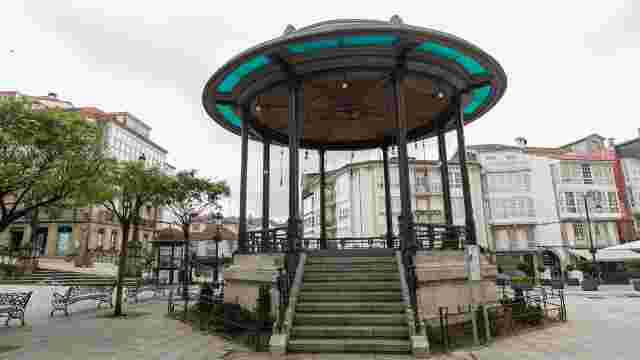
Bandstand
Neoclassical 18th-century manor house, with an L-shaped floor plan and a large heraldic coat of arms, promoted by Archbishop Sánchez Baamonde.
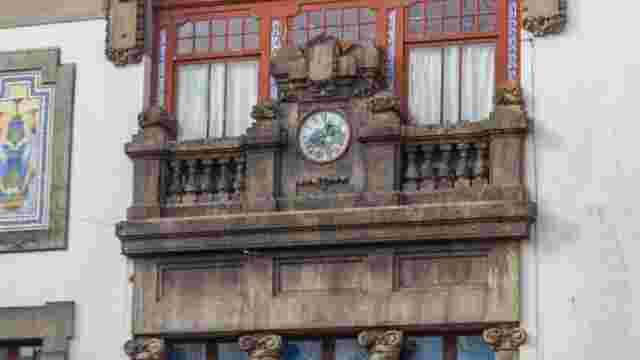
Casa Núñez
Modernist building by Rafael González Villar combining architecture, commerce and art, now home to the CIEC Foundation.
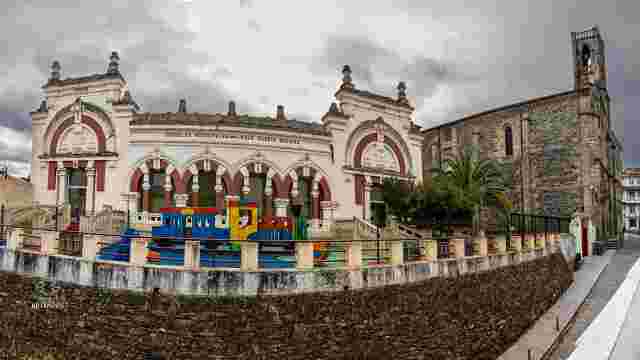
Jesús García Naveira School
Os Cabildos or San Francisco Schools, built in 1917, a unique example of modernist architecture with Islamic and Baroque references.
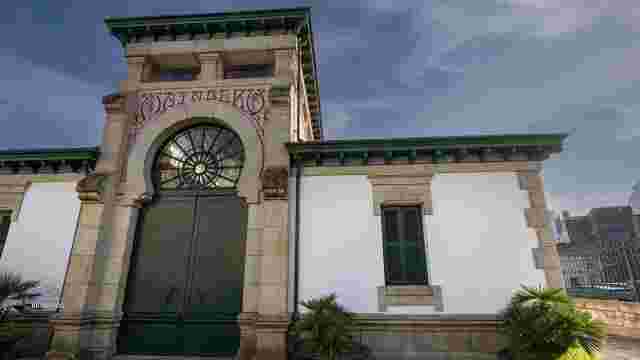
Former Municipal Slaughterhouse
Former municipal slaughterhouse from the early 20th century, with distinctive architecture and iron and tile decoration.
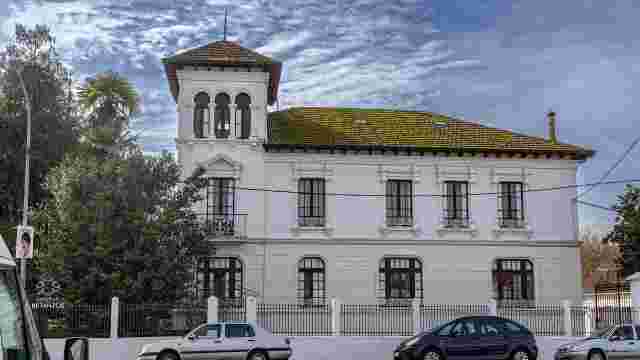
Casa da Rega or Villa Flora
Casa da Rega, built in 1922, an outstanding example of Indianos architecture and 20th-century Galician eclecticism.