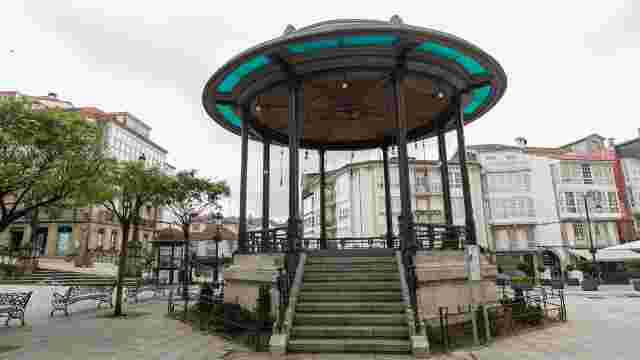
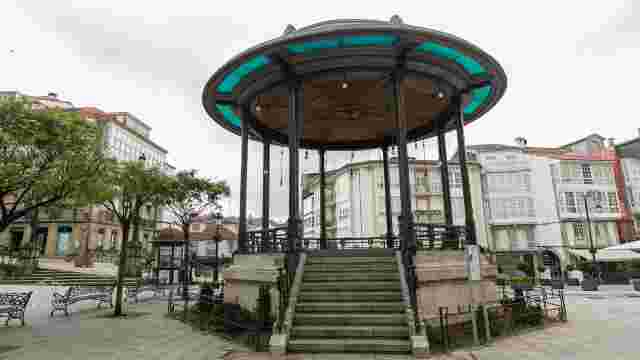
A prominent construction within Betanzos architecture. Built in 1903, it replaced a small kiosk dating from 1894 and is closely linked to the many activities of the old Academy of Music, founded in 1854. Architect Rafael González Villar designed the new bandstand, resulting in a work with a highly personal style developed during the years 1927 and 1928. The author defined an open space with an octagonal podium and a circular roof, connected by slender, thin pillars. The decorative effect of the various elements—such as the flattened circular zinc roof, the arrangement of lamps at different heights, the graduated railings with geometric motifs, and the upper finishes of the pillars supporting the roof—clearly reflects the architect’s style. Its characteristic polychromy, also reproduced in the railings and streetlamps in the surrounding areas of the Cantón and Porta da Vila, gave rise to the renowned “Betanzos green,” one of the city’s defining features.
Civil Heritage
Historic buildings and spaces that reflect the urban, social and administrative life of Betanzos
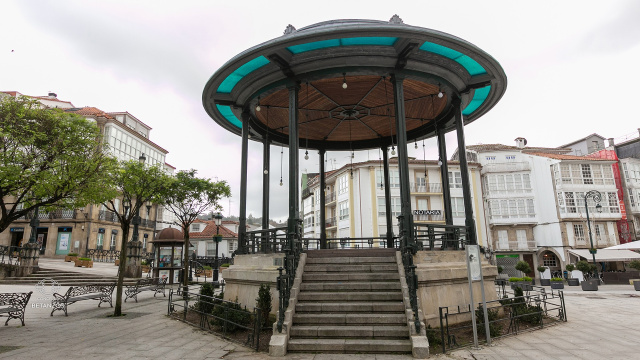
Bandstand
Neoclassical 18th-century manor house, with an L-shaped floor plan and a large heraldic coat of arms, promoted by Archbishop Sánchez Baamonde.
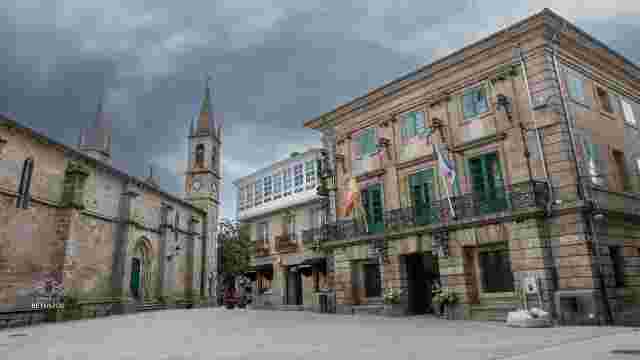
Town Hall
Neoclassical Town Hall designed by Ventura Rodríguez, with historic coats of arms and an outstanding art collection inside.
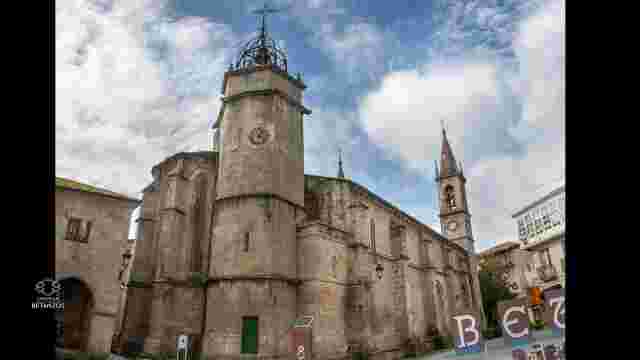
Municipal Clock Tower
16th-century municipal tower attached to the Church of Santiago, hexagonal in plan and featuring a clock decorated with wind reliefs.
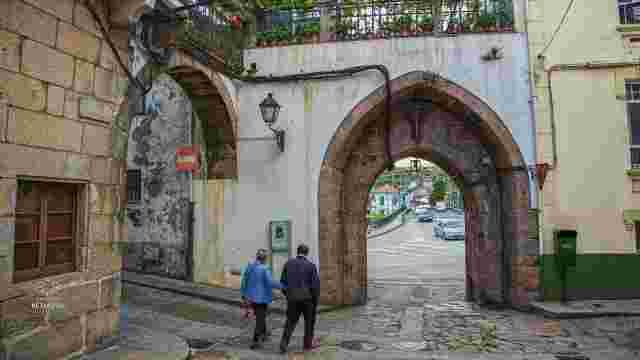
Old Bridge Gate
15th-century medieval gate that preserves the portcullis guides and served as a control point for the weights of market goods.
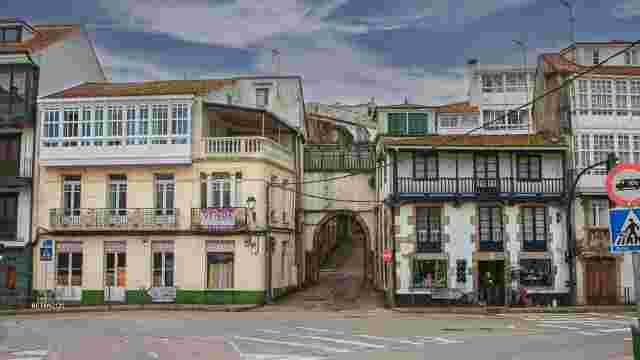
New Bridge Gate
15th-century medieval gate, the best preserved in the city, with remains of towers and a pointed double inner arcade.
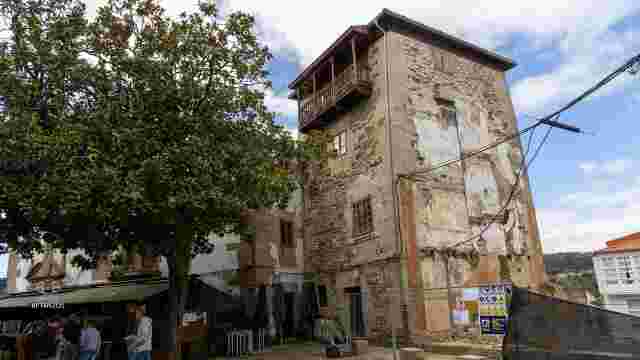
Lanzós Tower
Tower of great historical interest linked to the Irmandiño revolts, rebuilt between the 17th and 18th centuries, an example of a tower with a hat-shaped roof.
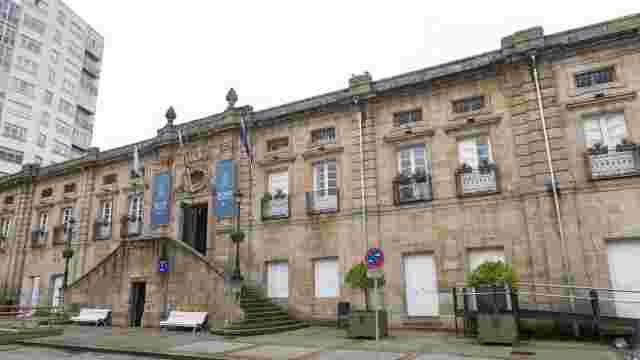
Archive–Liceo Building
18th-century neoclassical building created to house the Archive of the Kingdom of Galicia and now home to the Liceo of Betanzos.
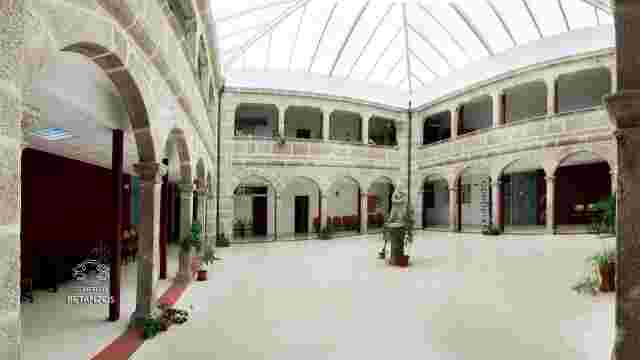
Former Hospital of San Antonio
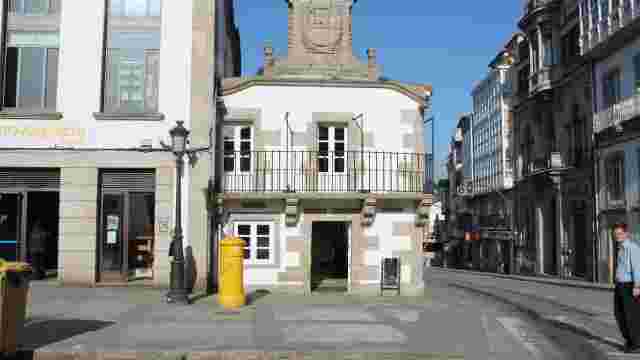
Orphans’ School
18th-century building with balcony and city coat of arms, founded as a school and now used for municipal services.
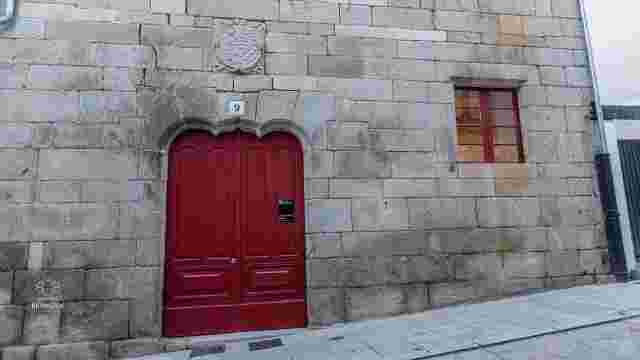
Gothic House or Vilousaz House
16th-century Gothic house built for Lope García de Vilousaz, with a conopial arch and noble coat of arms on the façade.
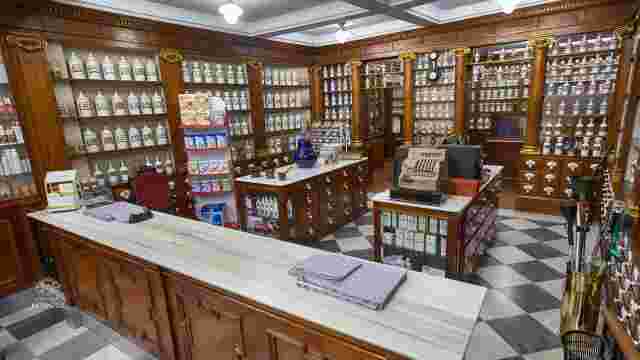
Couceiro Pharmacy
Couceiro Pharmacy, operating since the late 17th century, the oldest commercial establishment in Galicia.
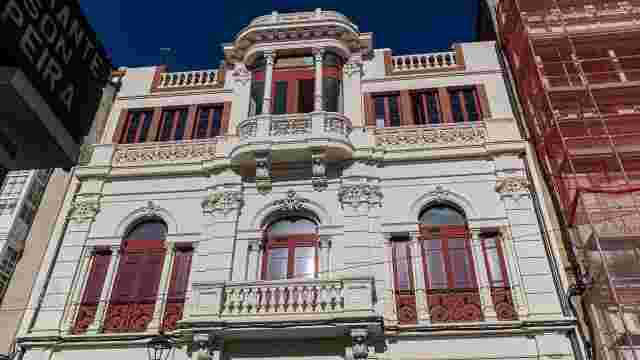
Casa Pita
1906 modernist building on Valdoncel Street, designed by Matías Witz, restored and characterised by balconies and an upper cornice.
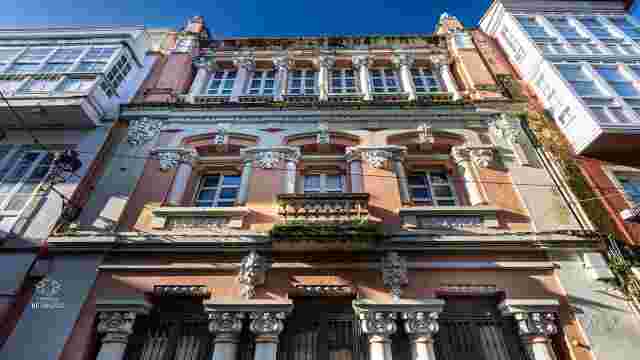
Casa del Pueblo (People’s House)
Building promoted in 1917 thanks to the legacy of Jesús García Naveira for the Federation of Workers’ Societies of Betanzos.
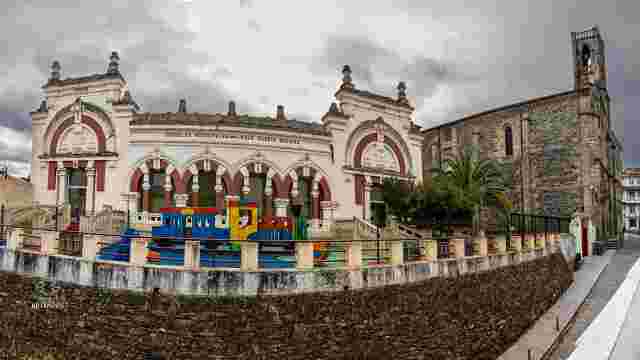
Jesús García Naveira School
Os Cabildos or San Francisco Schools, built in 1917, a unique example of modernist architecture with Islamic and Baroque references.
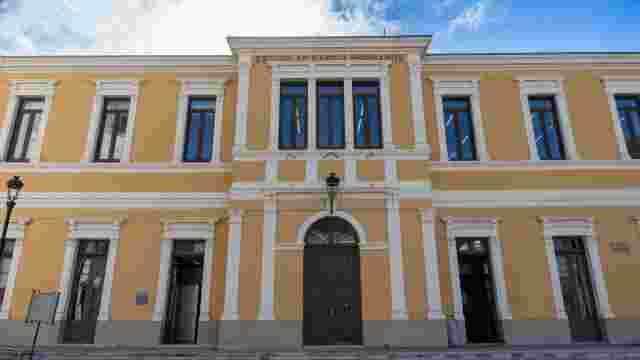
García Naveira Schools
Schools built in 1908 by the García Naveira brothers, eclectic in style, with innovative educational methods and now housing social services.
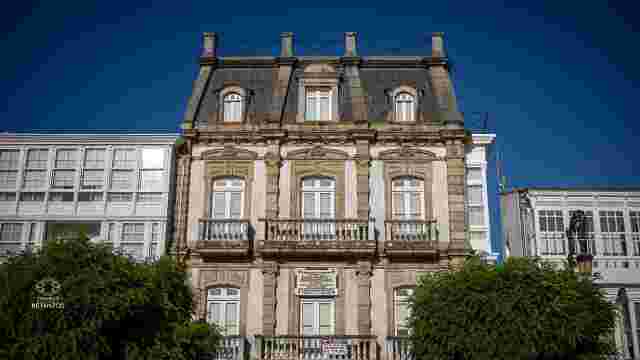
García Naveira Brothers’ House
French-influenced building built in 1890 as the home and business of Juan García Naveira, notable for its use of marble and commemorative plaque.
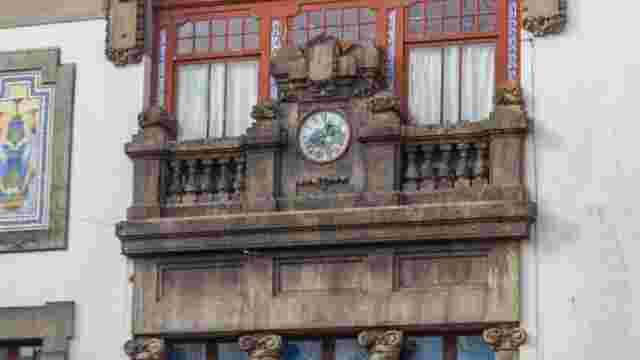
Casa Núñez
Modernist building by Rafael González Villar combining architecture, commerce and art, now home to the CIEC Foundation.
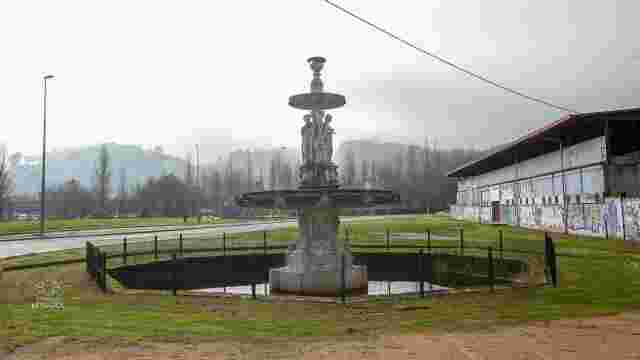
Four Seasons Fountain
Monumental fountain inspired by the Louvois fountain in Paris, decorated with female figures representing the four seasons.
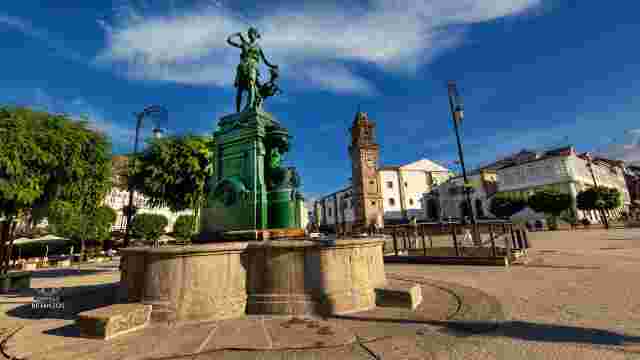
Diana the Huntress Fountain
Monumental fountain inaugurated in 1867, a replica of the Diana of the Louvre and one of Betanzos’ most recognisable urban symbols.
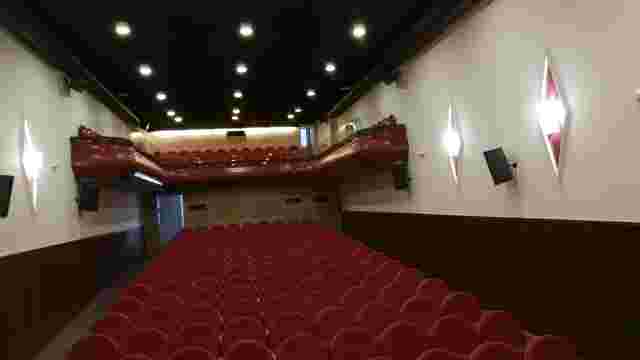
Alfonsetti Cinema-Theatre
Alfonsetti Theatre-Cinema, inaugurated in 1882, one of the oldest cinemas in Spain, now the municipal theatre in the former convent of San Domingos.
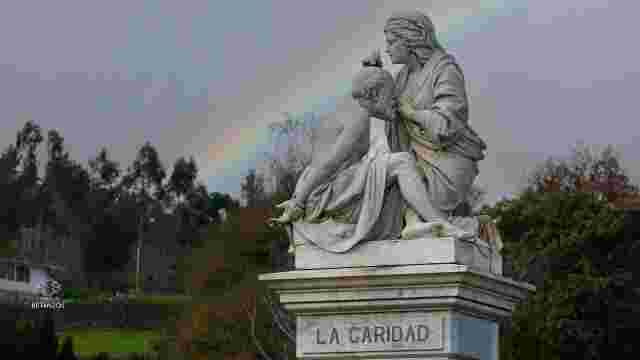
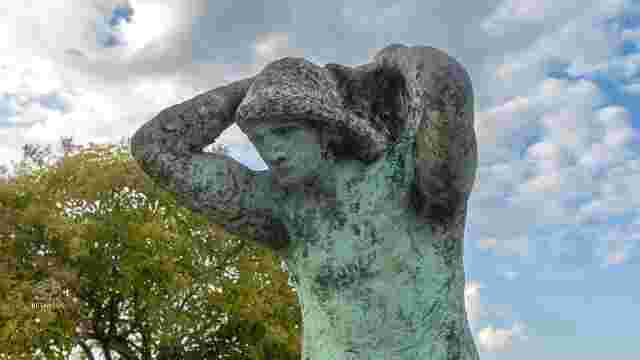
Statue of Charity
Contemporary sculpture “Charity”, a reinterpretation of Roman Charity, symbolising solidarity and the philanthropic legacy of the García Naveira brothers.
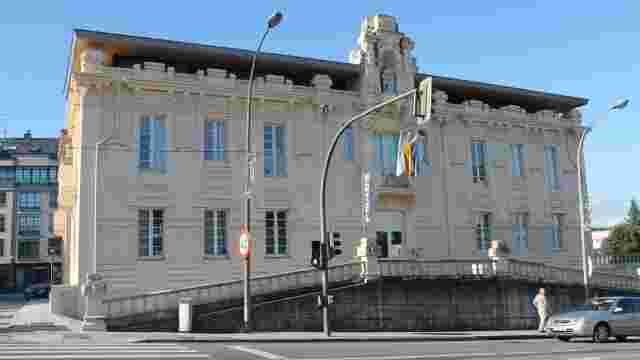
Manuel Naveira Asylum
Charitable building from 1914, promoted by Manuel Naveira González, eclectic in style and now converted into a hotel.
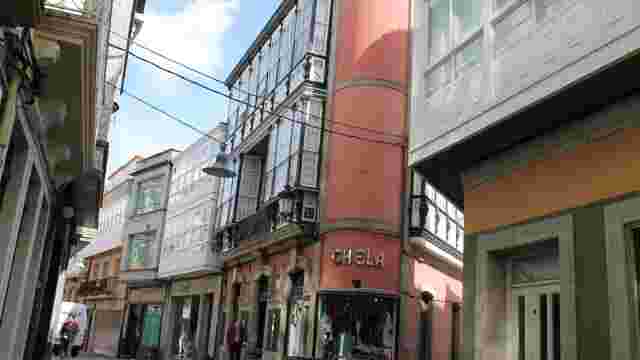
Casa Limiñón
Casa Limiñón, built in 1902 on Rúa Traviesa, a clear example of modernism and decorative craftsmanship.
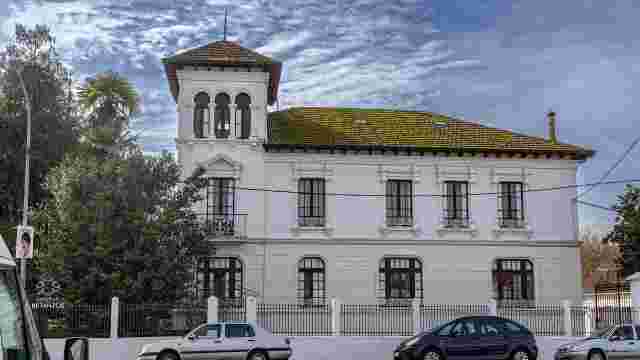
Casa da Rega or Villa Flora
Casa da Rega, built in 1922, an outstanding example of Indianos architecture and 20th-century Galician eclecticism.
Bandstand
Neoclassical 18th-century manor house, with an L-shaped floor plan and a large heraldic coat of arms, promoted by Archbishop Sánchez Baamonde.
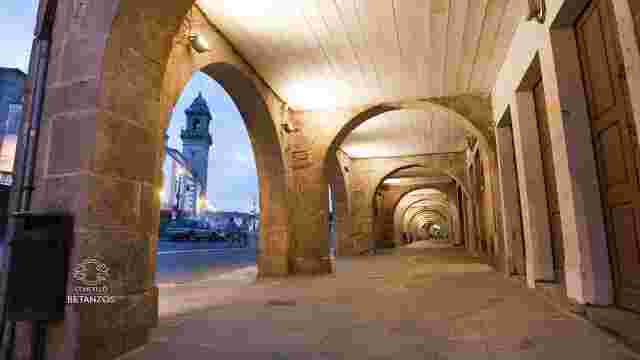
Soportales del Campo Arcades
Popular street with gallery houses and arcades, now an area of bars and restaurants and a social meeting point in Betanzos.
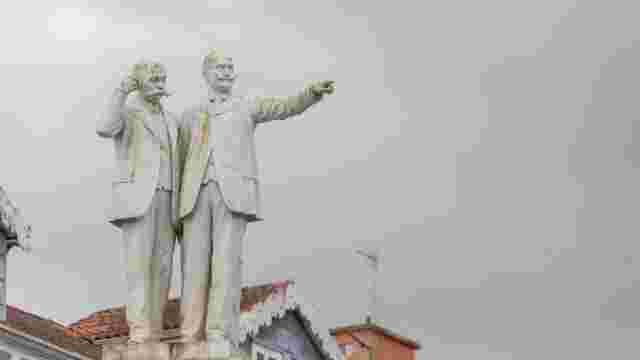
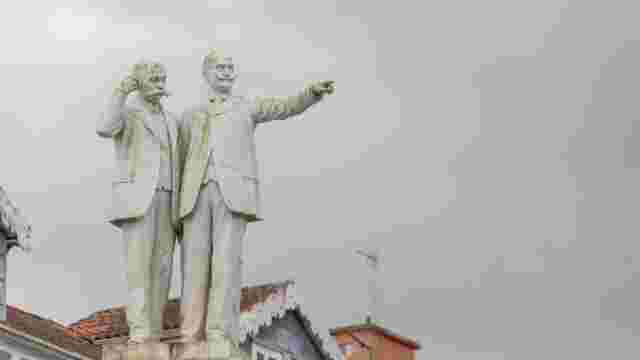
García Naveira Brothers Statue
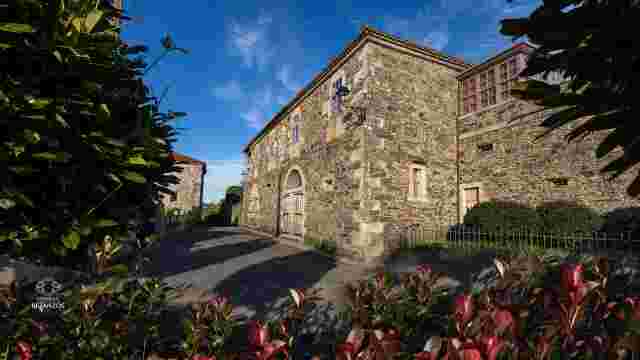
Pazo de Piadela
18th-century neoclassical manor house with an L-shaped plan, richly ornamented coat of arms and promoted by an archbishop from Compostela.
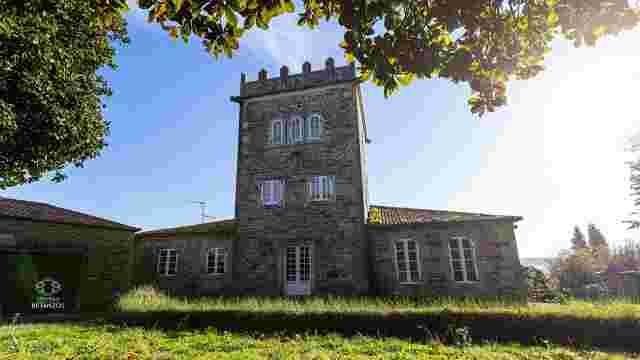
Pazo de Illobre
Manorial residence of medieval origin in Pontellas, renovated in the 20th century, with gardens and a tradition linked to the Counts of Taboada.
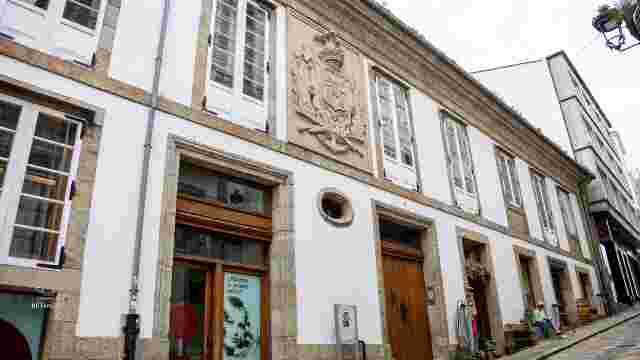
Pazo of the Counts of Taboada
19th-century neoclassical manor house located in the historic centre, with a large family coat of arms and linked to the County of Taboada.
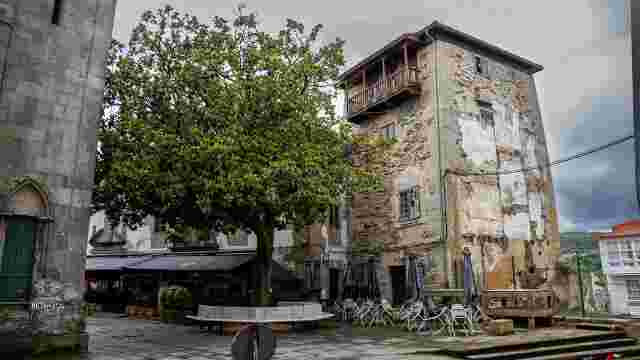
Pazo de Lanzós
17th-century Baroque manor house with projecting balcony and modified tower, an example of Betanzos’ urban noble architecture.
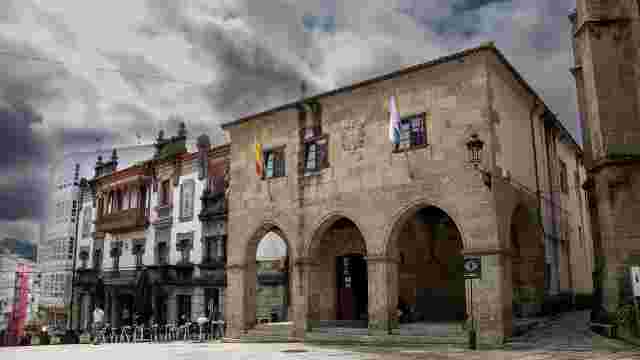
Pazo de Bendaña
Historic building from the 15th and 16th centuries with pointed arcade and coats of arms, still serving as the headquarters of the Treasury.
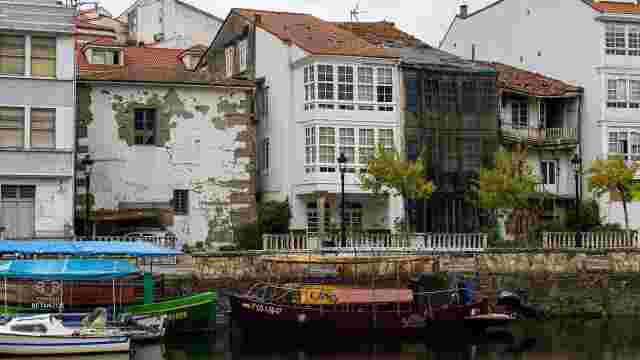
Alfolí (Salt Storehouse)
Medieval building used for the storage and weighing of salt, a key product in Betanzos’ port trade.
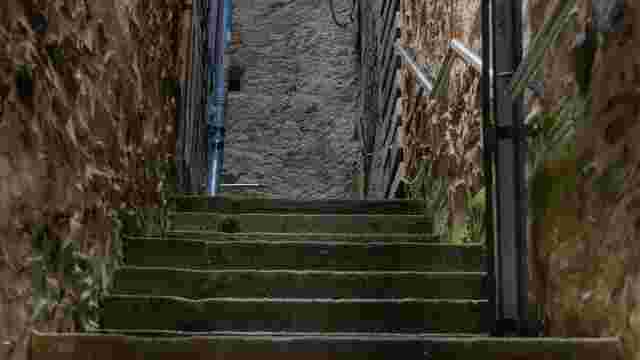
Os Xudeus Street
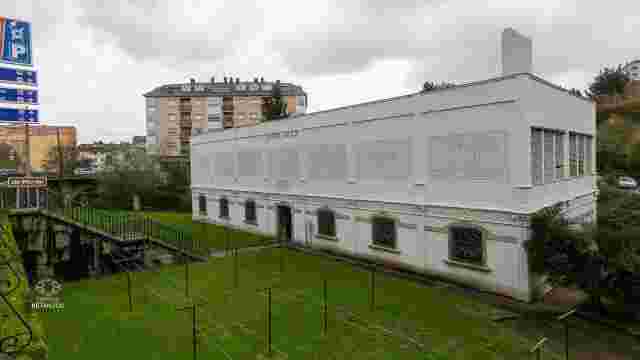
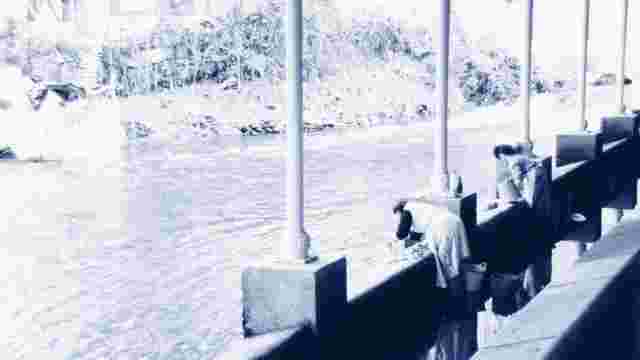
Free Public Washhouse
Public washhouse inaugurated in 1902 by the García Naveira brothers, with two levels and capacity for more than twenty washerwomen according to the tides.
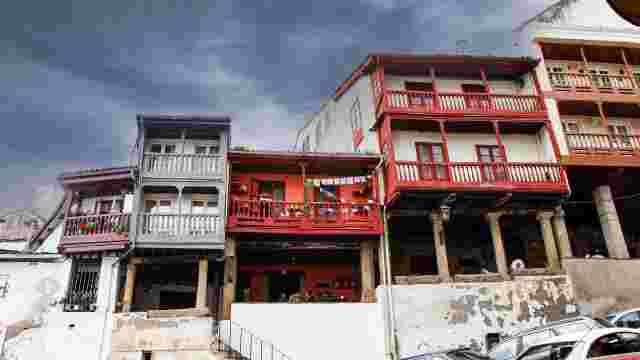
Mariñán-style houses of Fonte de Unta, A Cañota and Rúa Quiroga
Traditional agricultural neighbourhood of Fonte de Unta, characterised by arcades and wooden balconies used as urban granaries.
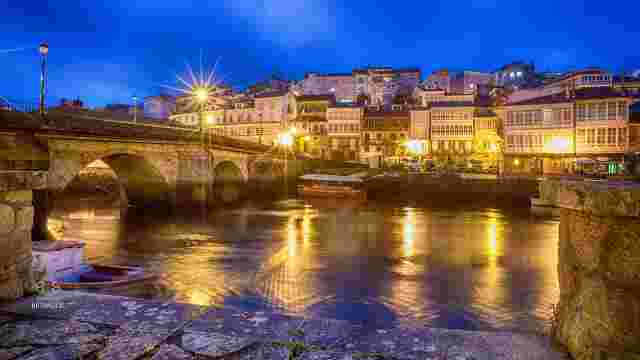
Old Bridge
Medieval bridge documented since 1219, with five arches and 59 metres in length, now crossed by pilgrims on the English Way.
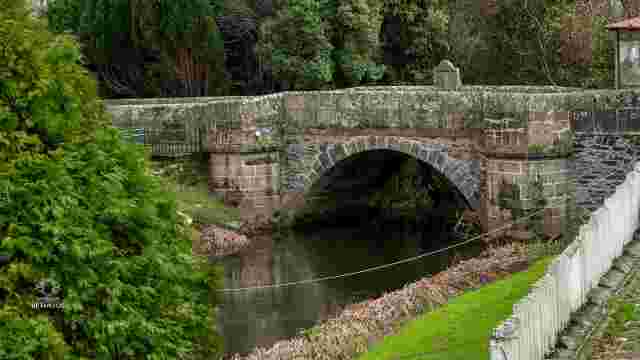
Old Bridge of As Cascas
Old As Cascas Bridge, cited in the year 1200, rebuilt in the 19th century and preserved as a historic element of the urban area.
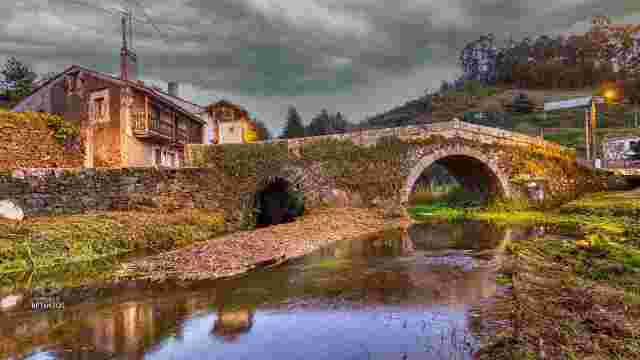
Roibeira Bridge
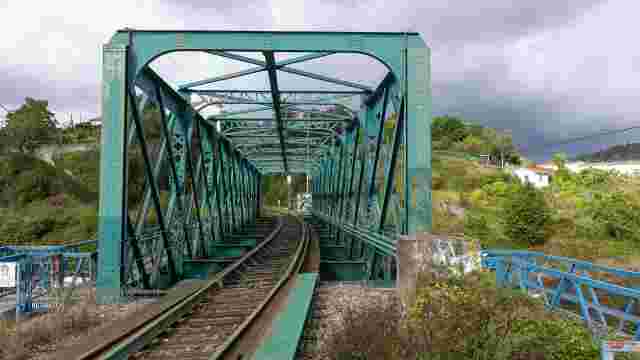
Railway Bridge
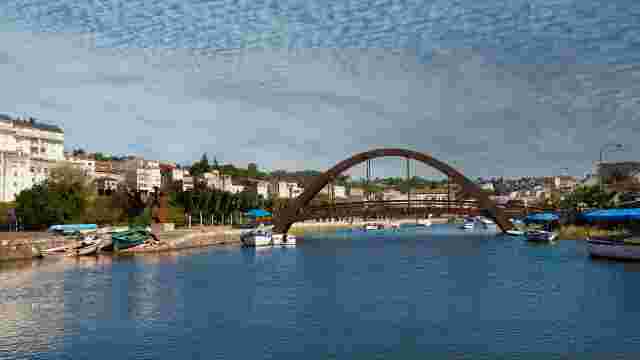
Wooden Pedestrian Bridge
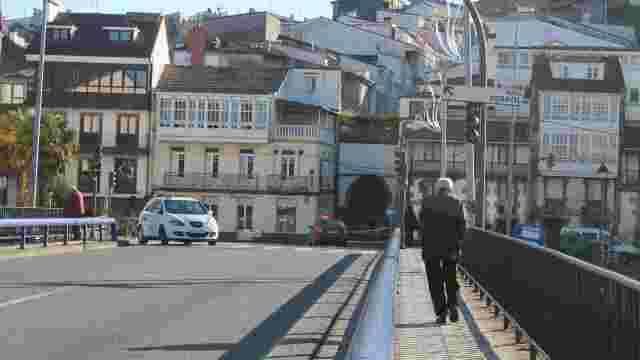
New Bridge
Preserved arch of the former medieval New Bridge of Betanzos, a historic symbol that once crossed the Mandeo River and connected the town with its surroundings.
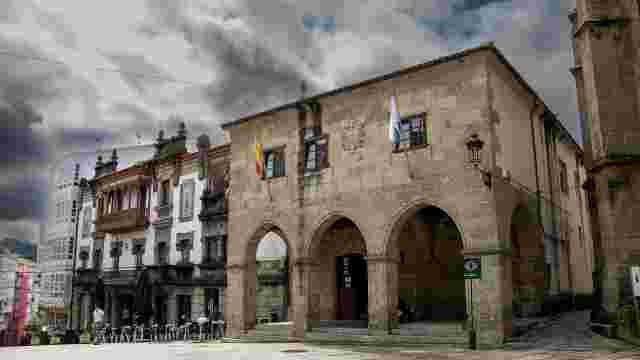
Historic Centre Route
Route through Betanzos’ historic centre, a historic-artistic ensemble, covering the medieval enclosure and its main monuments and churches.
Modernism Route
Urban route that visits the main examples of modernist and eclectic architecture in Betanzos, reflecting its urban development in the late 19th century.
Trades Route
Cultural route that explores Betanzos through traditional trades and the spaces where the city’s artisanal and commercial life developed.
Betanzos in the Feminine Route
Cultural route that explores Betanzos from a gender perspective, highlighting the contribution of women to the city’s history and culture.
García Naveira Brothers Routes