Betanzos in three days
A complete itinerary to discover Betanzos at a relaxed pace, combining historic heritage, nature, art and local traditions.
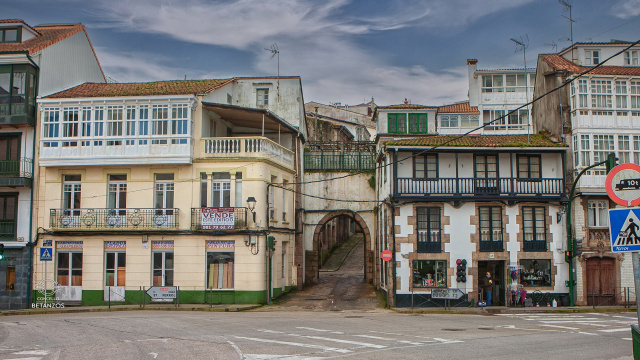
New Bridge Gate
15th-century medieval gate, the best preserved in the city, with remains of towers and a pointed double inner arcade.
Built in the 15th century, this is the best-preserved medieval gate in Betanzos. The exterior still shows remains of the towers and connecting walls, while the interior retains a pointed double arcade and portcullis groove.
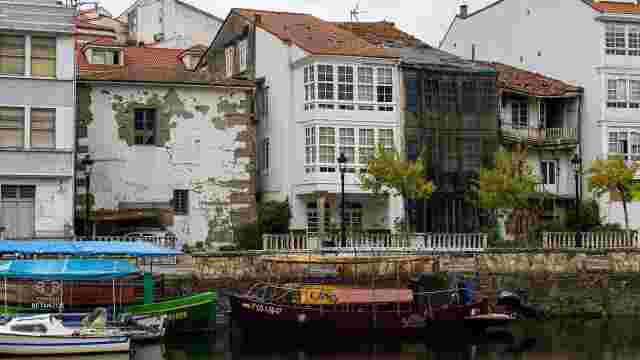
Alfolí (Salt Storehouse)
Medieval building used for the storage and weighing of salt, a key product in Betanzos’ port trade.
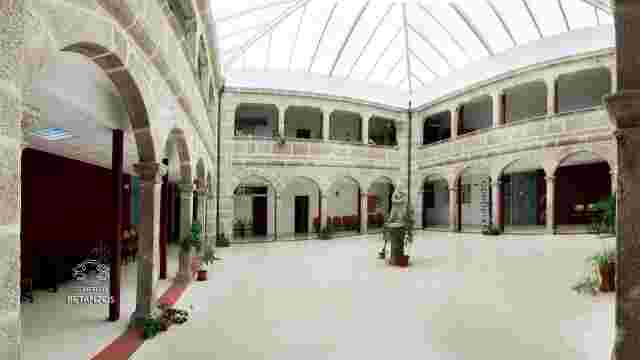
Former Hospital of San Antonio
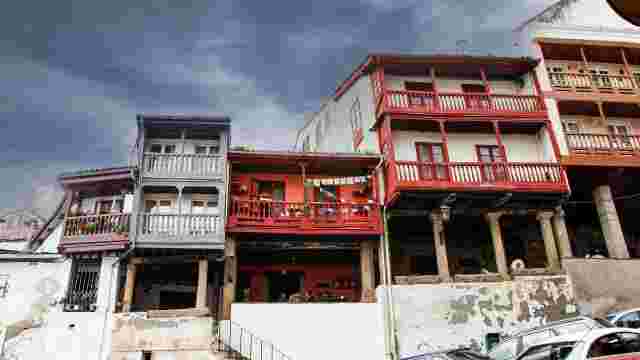
Artist's Perspectives Route
A rediscovery of Betanzos through guided routes, exhibitions and diverse artistic perspectives that reinterpret its heritage and historical memory.
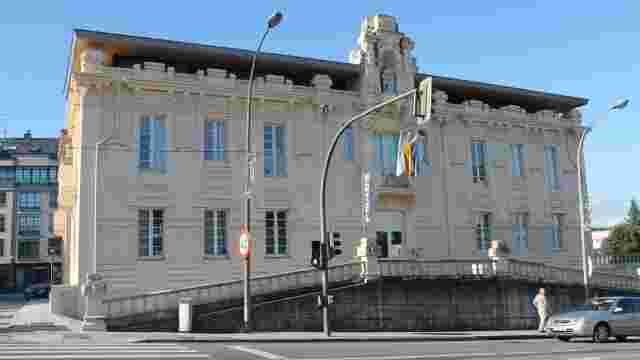
Manuel Naveira Asylum
Charitable building from 1914, promoted by Manuel Naveira González, eclectic in style and now converted into a hotel.
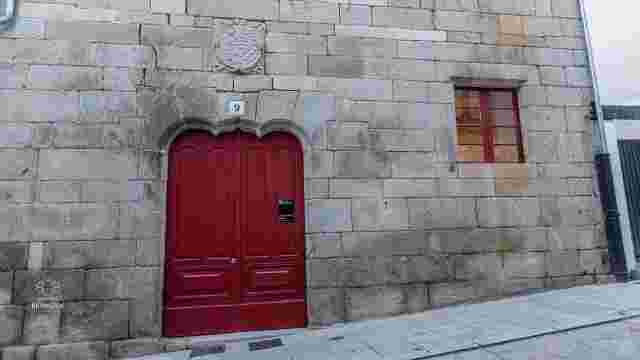
Gothic House or Vilousaz House
16th-century Gothic house built for Lope García de Vilousaz, with a conopial arch and noble coat of arms on the façade.
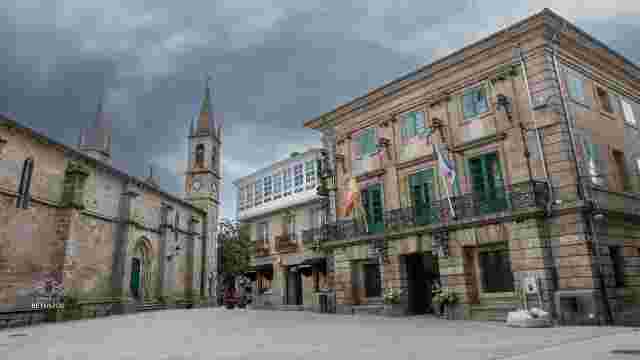
Town Hall
Neoclassical Town Hall designed by Ventura Rodríguez, with historic coats of arms and an outstanding art collection inside.
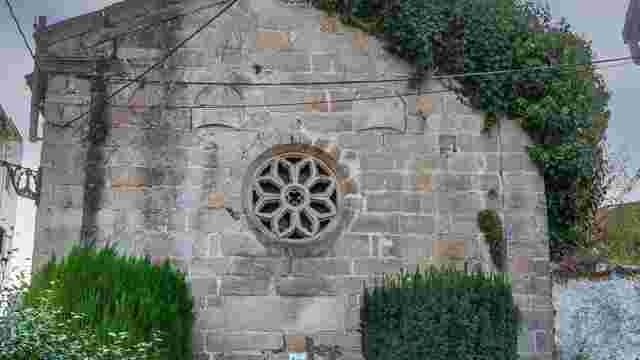
Magdalena Chapel
Small 18th-century chapel, heir to a former medieval hospital for lepers under the dedication of Saint Lazarus.
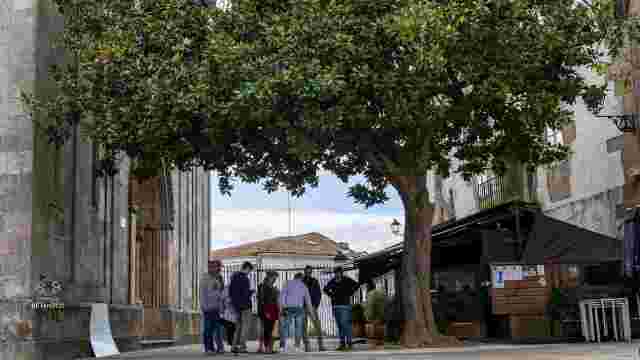
Lanzós Magnolia Tree
Historic grove of magnolias planted in 1884, located between the Church of Santiago and the Pazo of Lanzós, highly appreciated for its summer shade.
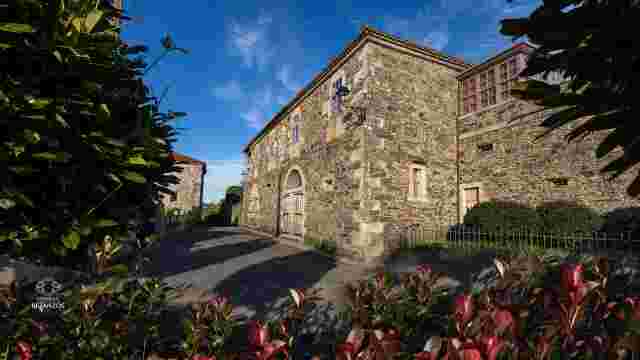
Pazo de Piadela
18th-century neoclassical manor house with an L-shaped plan, richly ornamented coat of arms and promoted by an archbishop from Compostela.
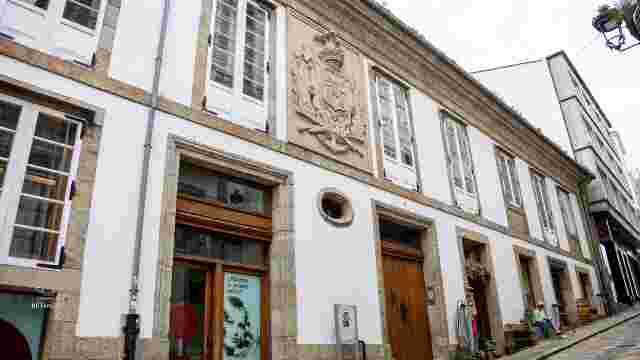
Pazo of the Counts of Taboada
19th-century neoclassical manor house located in the historic centre, with a large family coat of arms and linked to the County of Taboada.
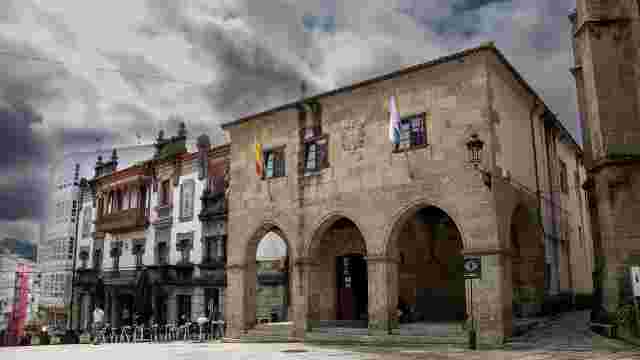
Pazo de Bendaña
Historic building from the 15th and 16th centuries with pointed arcade and coats of arms, still serving as the headquarters of the Treasury.
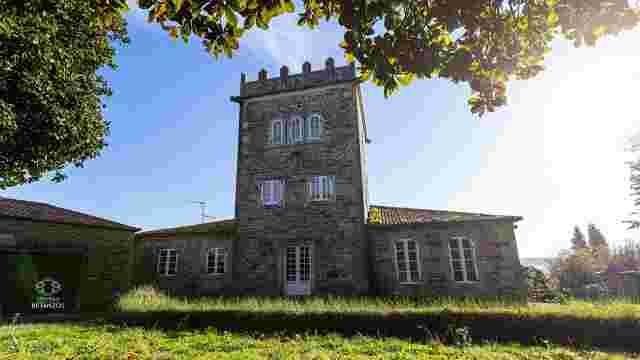
Pazo de Illobre
Manorial residence of medieval origin in Pontellas, renovated in the 20th century, with gardens and a tradition linked to the Counts of Taboada.
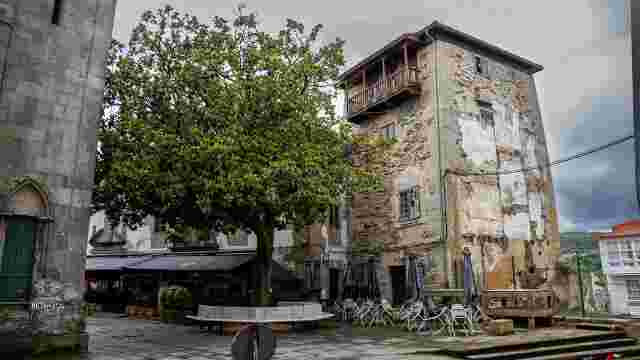
Pazo de Lanzós
17th-century Baroque manor house with projecting balcony and modified tower, an example of Betanzos’ urban noble architecture.
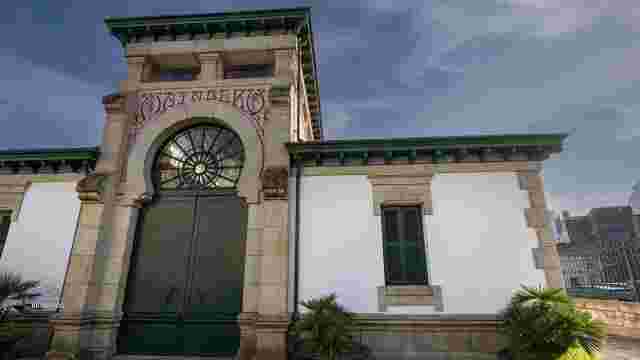
Former Municipal Slaughterhouse
Former municipal slaughterhouse from the early 20th century, with distinctive architecture and iron and tile decoration.
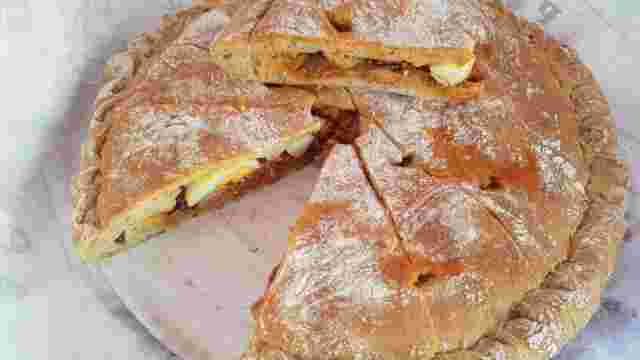
Magdalena Sweet Bread
Traditionally enjoyed on Easter Monday or Magdalena Monday, this dish resembles a savoury pie.
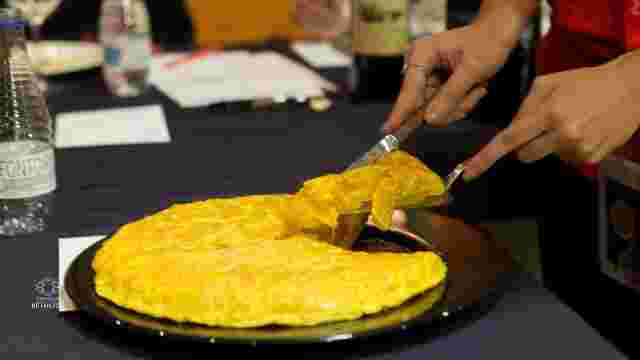
Betanzos Omelette
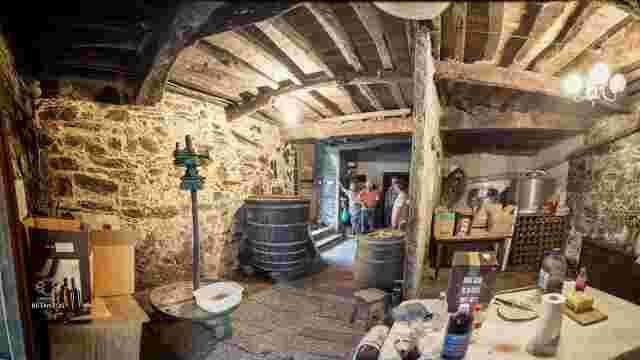
Loureiros or Country Wine Cellars
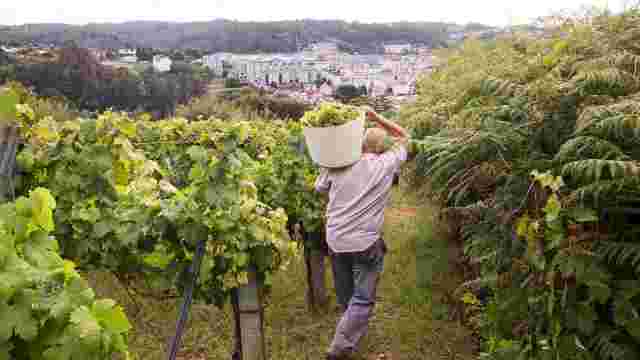
Betanzos Wine
Blanco legítimo, a historic grape variety, holds Protected Geographical Indication status.
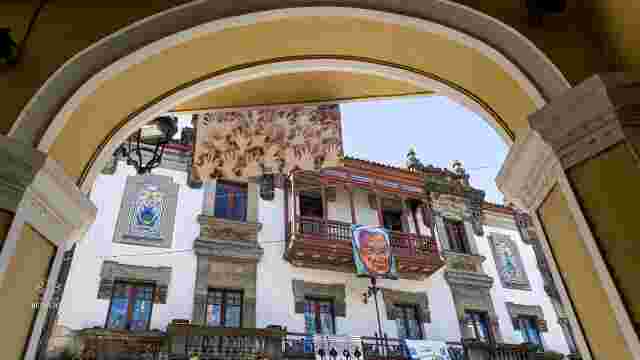
CIEC (International Centre for Contemporary Printmaking)
Printmaking workshop and museum, housed in the modernist building created by Rafael González Villar for the Núñez family.
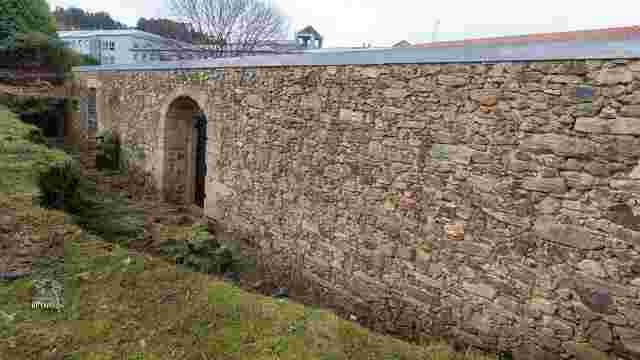
Convent of Donas
Former medieval convent with origins in the 11th century, linked to As Donas and the Las Cascas priory, now partially in ruins.
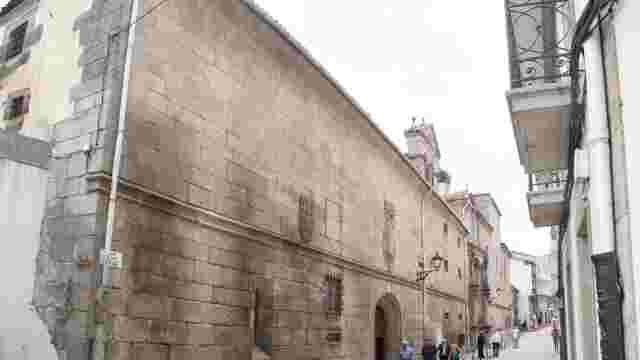
Convent of the Augustinian Recollects
17th–18th century convent with a 16th-century cloister, historic coats of arms and valuable altarpieces from the Compostela School.
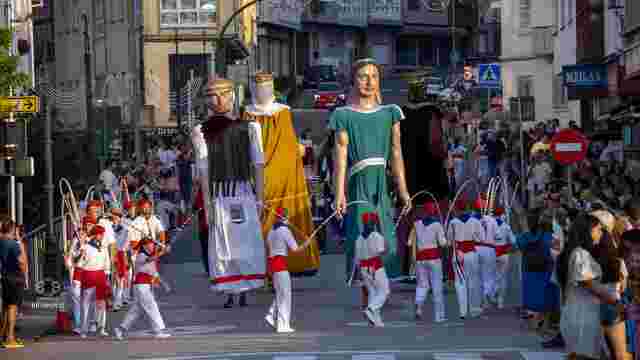
San Roque Patron Saint Festivities
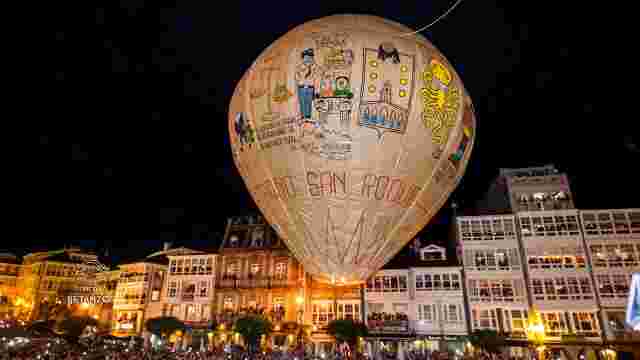
San Roque Balloon
The world’s largest paper balloon rises every 16 August in honour of Betanzos’ patron saint, San Roque.
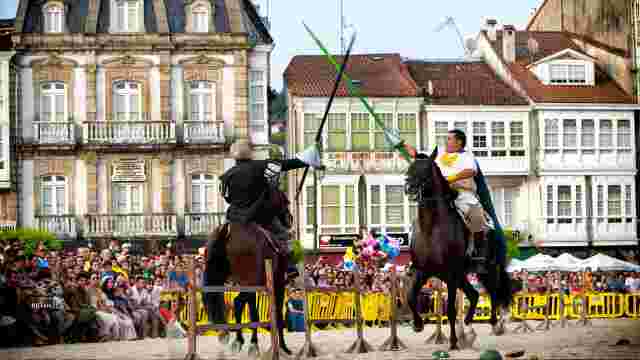
Medieval Feira Franca
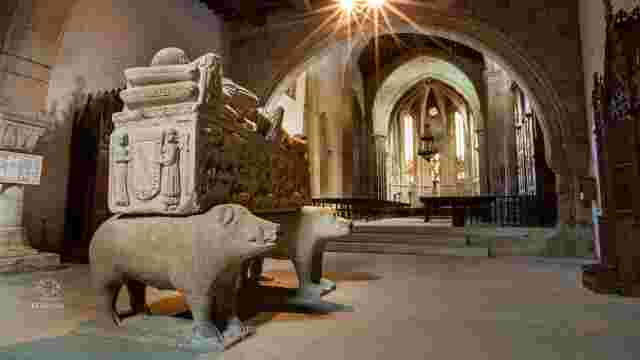
Church and Convent of San Francisco
14th-century Gothic temple declared a BIC, with extraordinary tombs of the Andrade family and rich sculptural decoration.
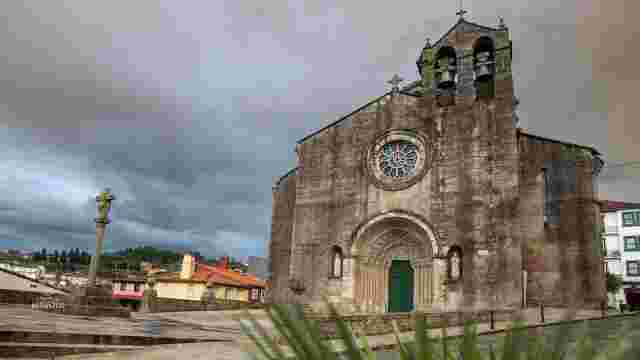
Church of Santa María do Azogue
14th–15th century Gothic church with Flemish altarpieces, mural paintings and tombs of medieval Betanzos society.
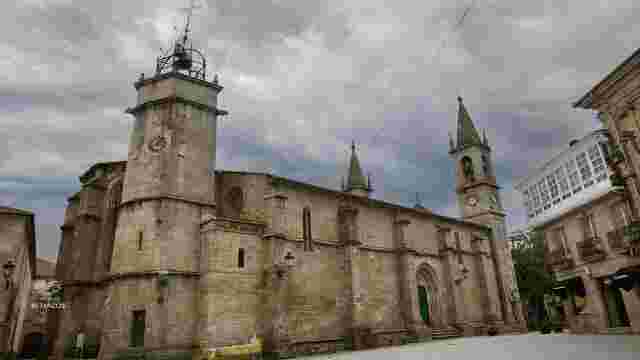
Church of Santiago
15th-century church transitioning from Romanesque to Gothic, linked to Fernán Pérez de Andrade and the Way of Saint James.
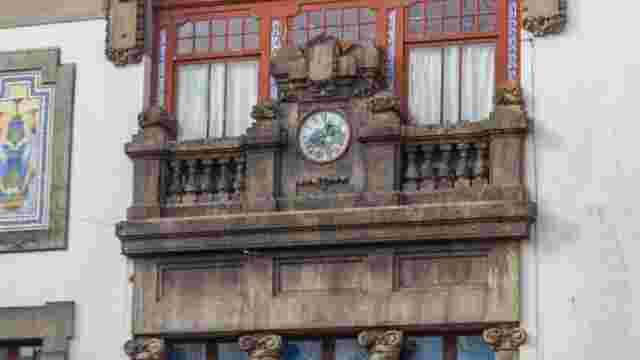
Casa Núñez
Modernist building by Rafael González Villar combining architecture, commerce and art, now home to the CIEC Foundation.
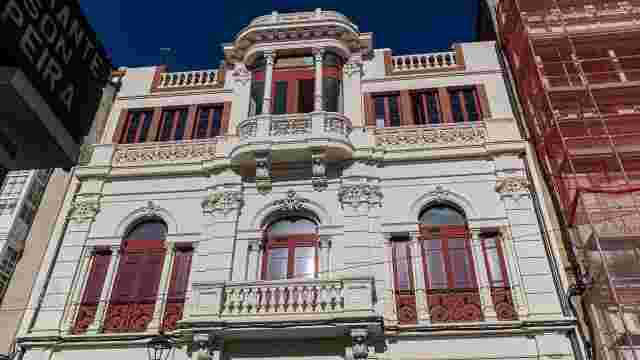
Casa Pita
1906 modernist building on Valdoncel Street, designed by Matías Witz, restored and characterised by balconies and an upper cornice.
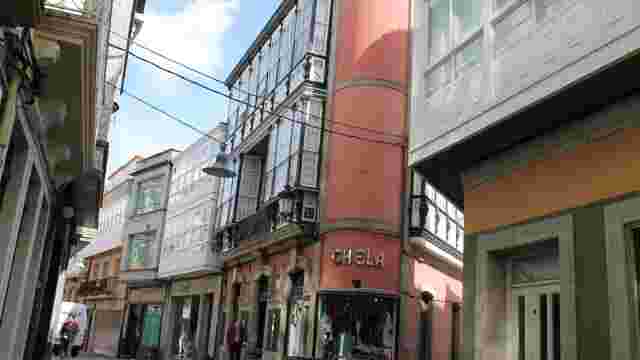
Casa Limiñón
Casa Limiñón, built in 1902 on Rúa Traviesa, a clear example of modernism and decorative craftsmanship.
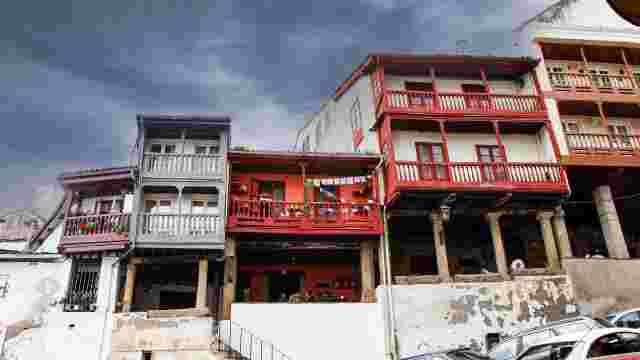
Mariñán-style houses of Fonte de Unta, A Cañota and Rúa Quiroga
Traditional agricultural neighbourhood of Fonte de Unta, characterised by arcades and wooden balconies used as urban granaries.
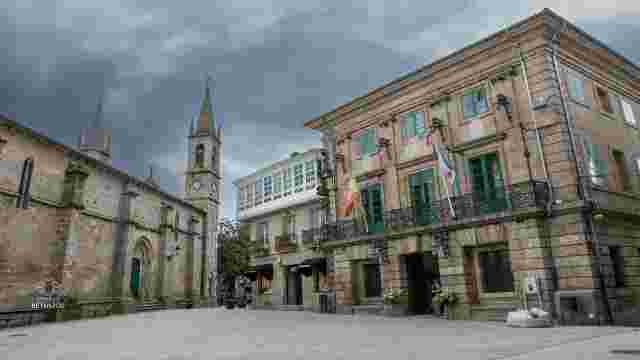
Constitution Square
Historic square in Betanzos featuring the Town Hall, the Clock Tower, the Church of Santiago and several medieval palaces.
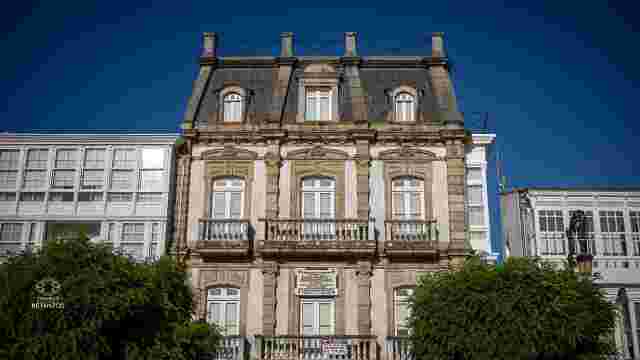
García Naveira Brothers’ House
French-influenced building built in 1890 as the home and business of Juan García Naveira, notable for its use of marble and commemorative plaque.
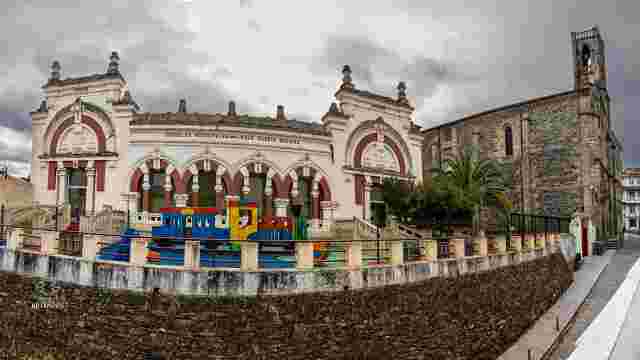
Jesús García Naveira School
Os Cabildos or San Francisco Schools, built in 1917, a unique example of modernist architecture with Islamic and Baroque references.
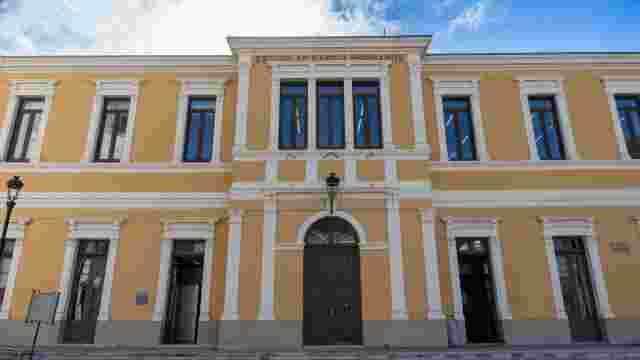
García Naveira Schools
Schools built in 1908 by the García Naveira brothers, eclectic in style, with innovative educational methods and now housing social services.
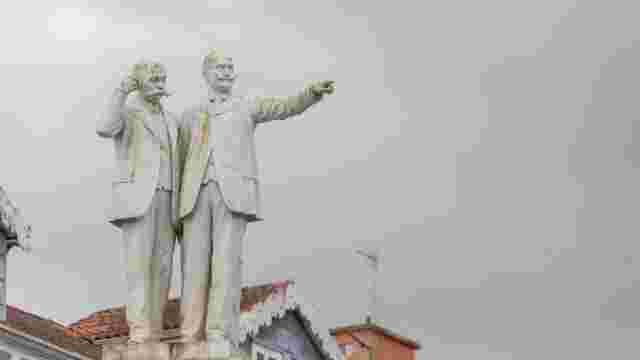
García Naveira Brothers Statue
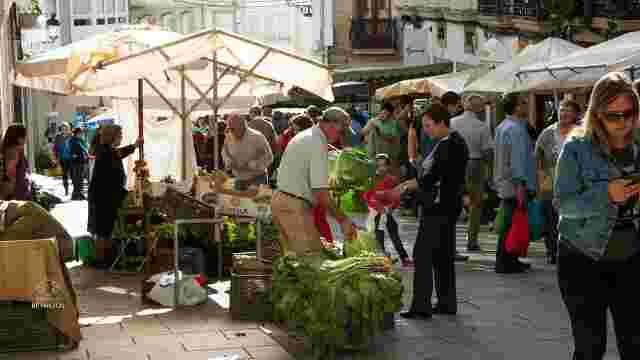
Weekly Markets
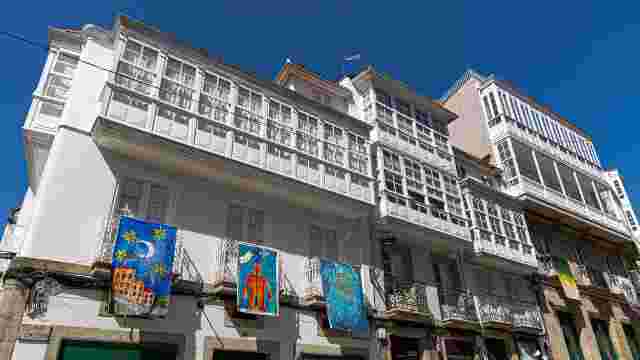
As Balconadas
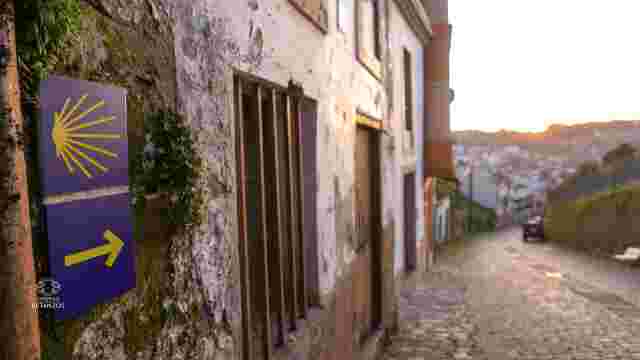
English Way
Historic route of the English Way from Ferrol to Betanzos, lightly travelled, combining sea and inland landscapes, natural scenery and medieval towns.
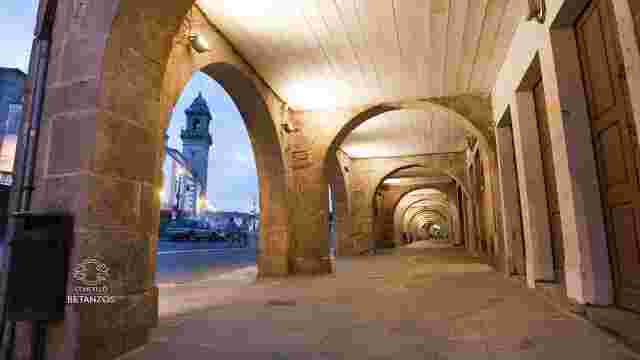
Soportales del Campo Arcades
Popular street with gallery houses and arcades, now an area of bars and restaurants and a social meeting point in Betanzos.
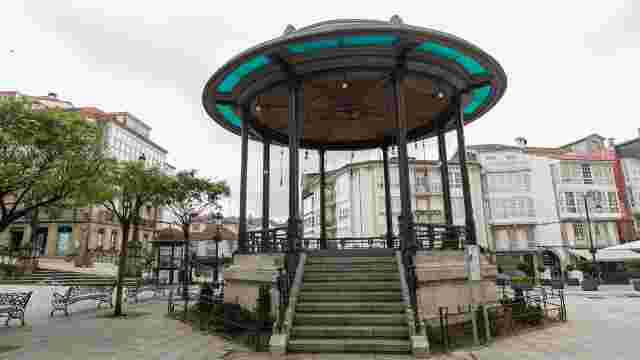
Bandstand
Neoclassical 18th-century manor house, with an L-shaped floor plan and a large heraldic coat of arms, promoted by Archbishop Sánchez Baamonde.
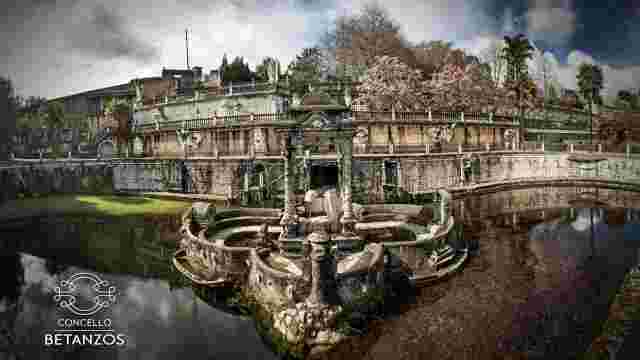
Pasatiempo Park
Historic garden created by Juan García Naveira in the late 19th century, famous for its grottoes, sculptures and social and cultural symbolism.
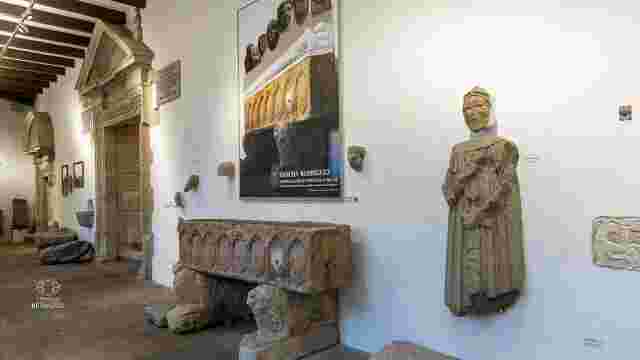
Museo das Mariñas
Extensive ethnographic collection of traditional costumes, photography and history.
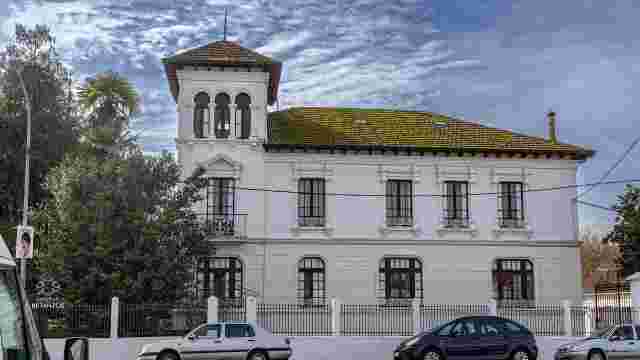
Casa da Rega or Villa Flora
Casa da Rega, built in 1922, an outstanding example of Indianos architecture and 20th-century Galician eclecticism.
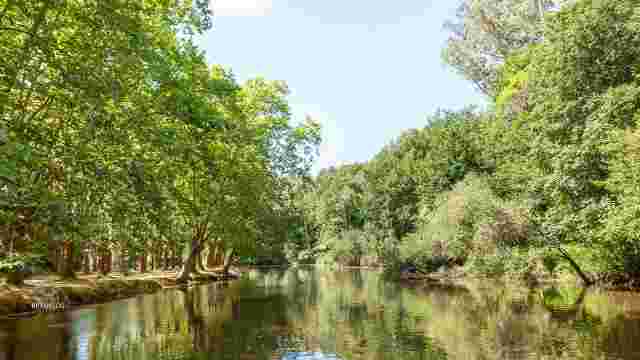
Mandeo River
The Mandeo River stands out for its rich fish fauna and for hosting the Os Caneiros pilgrimage, the largest non-religious pilgrimage in Galicia.
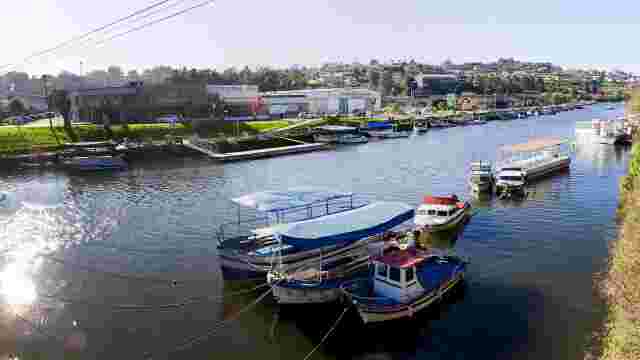
Mendo River
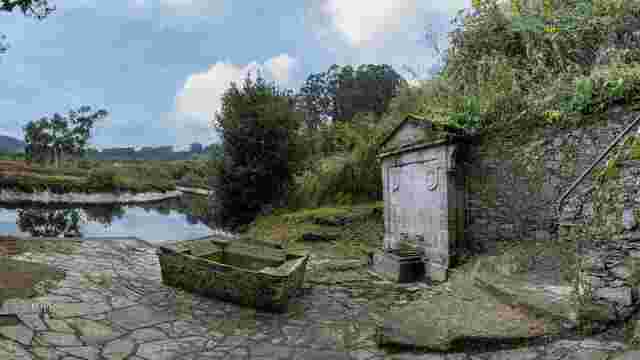
Fountain of the Angels
Historic fountain documented since 1613 and rebuilt in 1834, bearing the coats of arms of the city and Archdeacon Pedro de Ben.
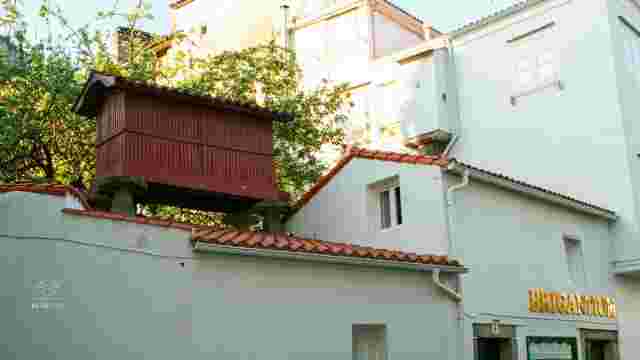
Hórreo da Rúa Nova
This 18th-century urban granary is privately owned and recalls the ancient Orreum mentioned in Betanzos’ foundation charter of 1219.
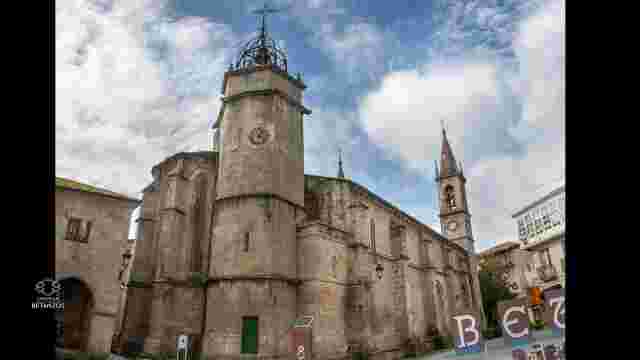
Municipal Clock Tower
16th-century municipal tower attached to the Church of Santiago, hexagonal in plan and featuring a clock decorated with wind reliefs.
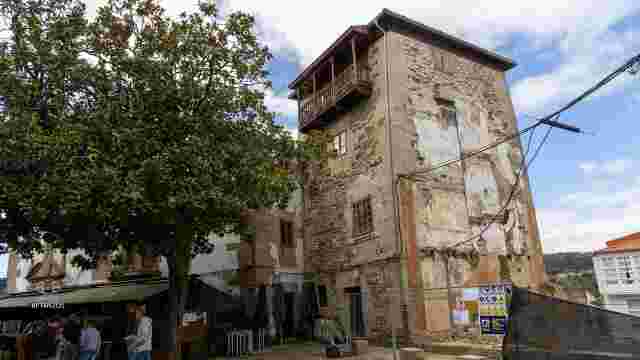
Lanzós Tower
Tower of great historical interest linked to the Irmandiño revolts, rebuilt between the 17th and 18th centuries, an example of a tower with a hat-shaped roof.
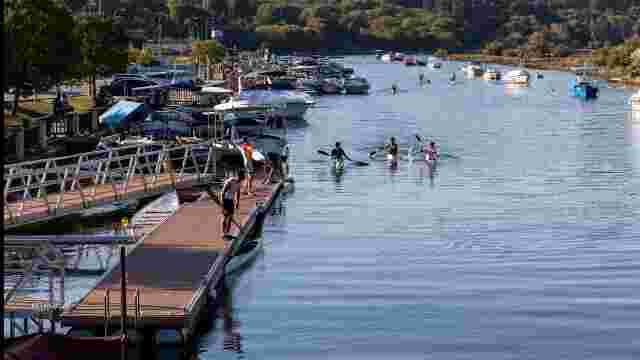
Port of Betanzos
The medieval port of Betanzos has not been preserved, but quays and promenade areas remain.
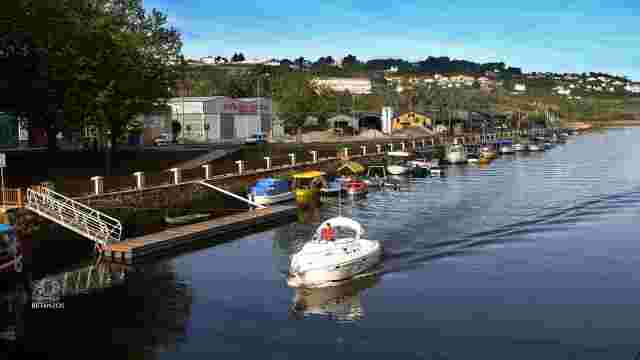
Betanzos Estuary
The Betanzos estuary, a protected Natura 2000 area, brings together the Mendo and Mandeo rivers and stands out for its landscape and wildlife richness.
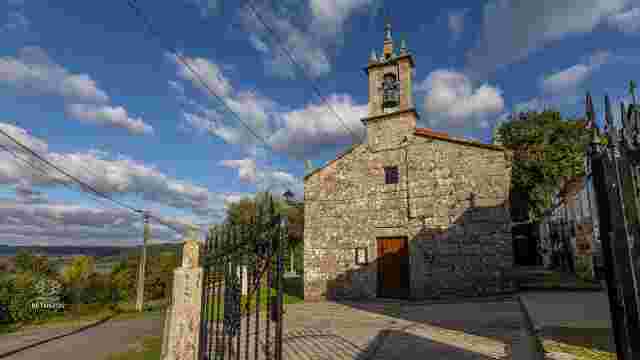
Parish Church of Santa María de Pontellas
13th-century Romanesque church with a single nave, pointed triumphal arch and simple bell gable, a sober example of rural Galician Romanesque.
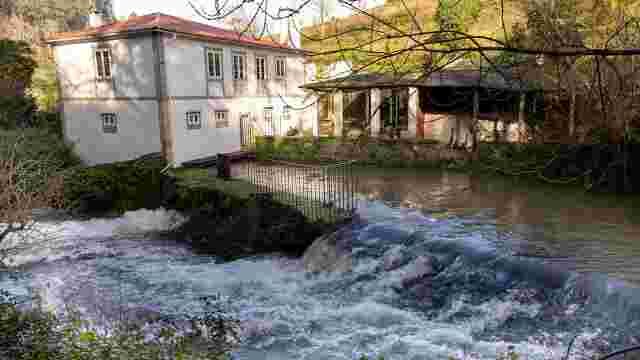
A Acea and Roibeira Mills
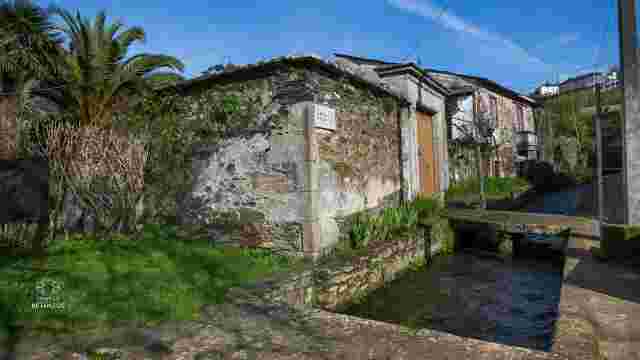
Caraña Mills
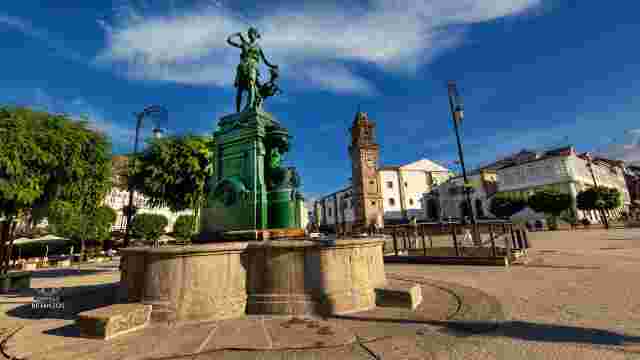
Diana the Huntress Fountain
Monumental fountain inaugurated in 1867, a replica of the Diana of the Louvre and one of Betanzos’ most recognisable urban symbols.
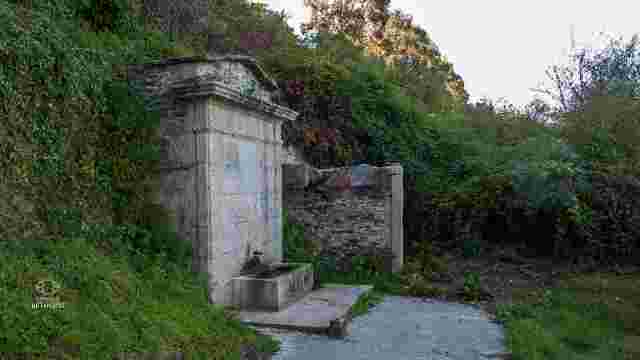
Fonte da Cangrexeira
Fountain cited in documents from 1633, also known as the San Gregorio Fountain, linked to the port and the Magdalena district.
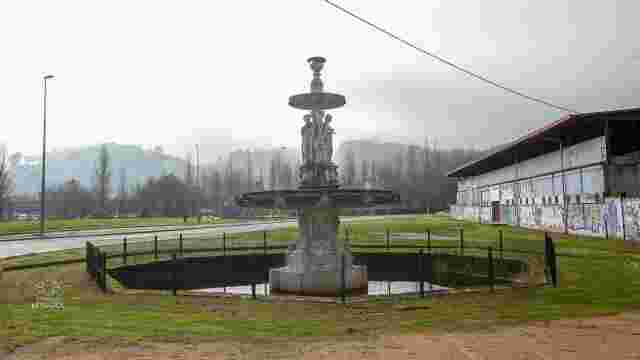
Four Seasons Fountain
Monumental fountain inspired by the Louvois fountain in Paris, decorated with female figures representing the four seasons.
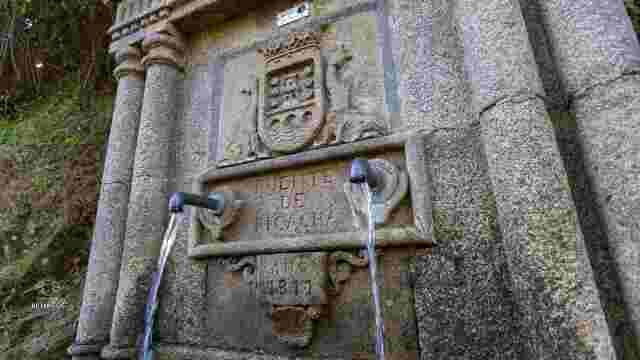
Picachá Fountain
Neoclassical fountain from 1911, designed by Francisco Javier Martínez Santiso, decorated with semicols, coats of arms and marine figures.
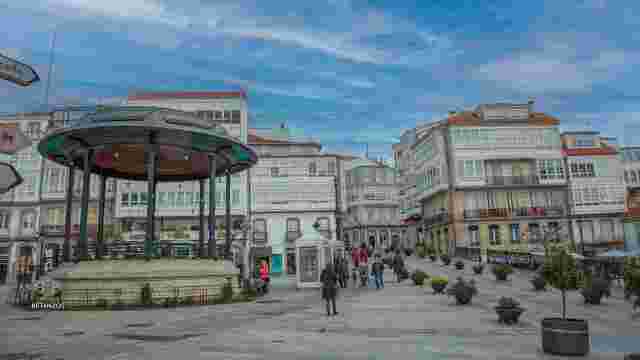
Porta da Vila
Former medieval gate of Betanzos, also known as the Royal Gate, decorated with the coats of arms of Galicia, Castile and León, and the city.
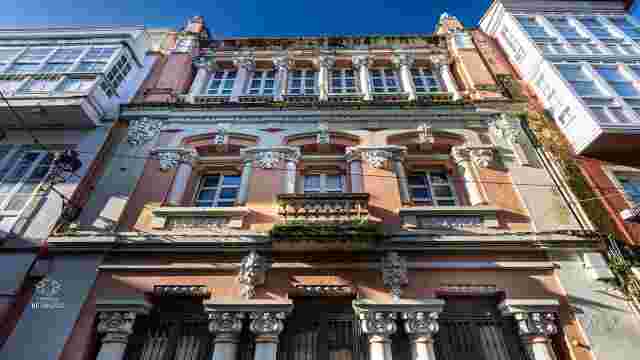
Casa del Pueblo (People’s House)
Building promoted in 1917 thanks to the legacy of Jesús García Naveira for the Federation of Workers’ Societies of Betanzos.
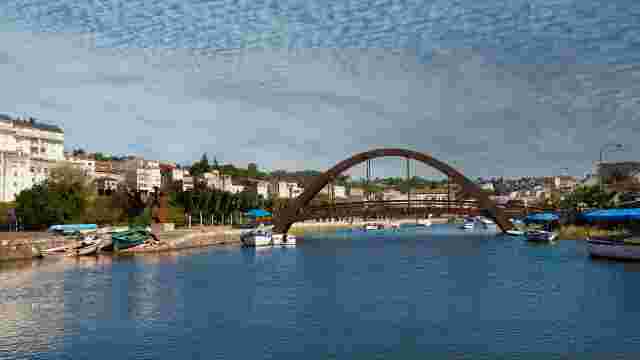
Wooden Pedestrian Bridge
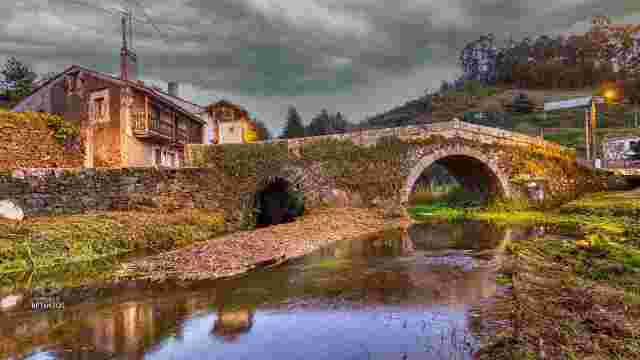
Roibeira Bridge
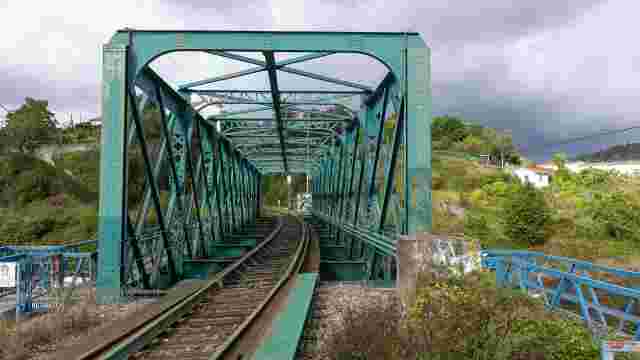
Railway Bridge
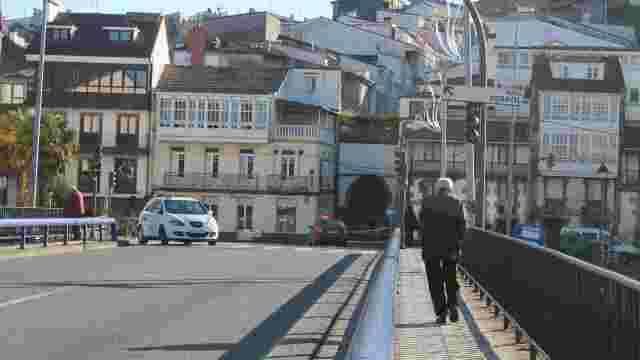
New Bridge
Preserved arch of the former medieval New Bridge of Betanzos, a historic symbol that once crossed the Mandeo River and connected the town with its surroundings.
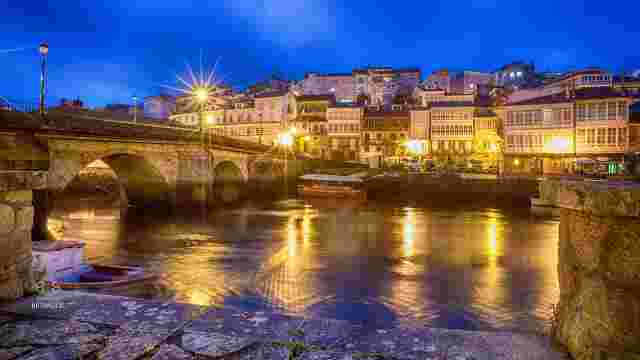
Old Bridge
Medieval bridge documented since 1219, with five arches and 59 metres in length, now crossed by pilgrims on the English Way.
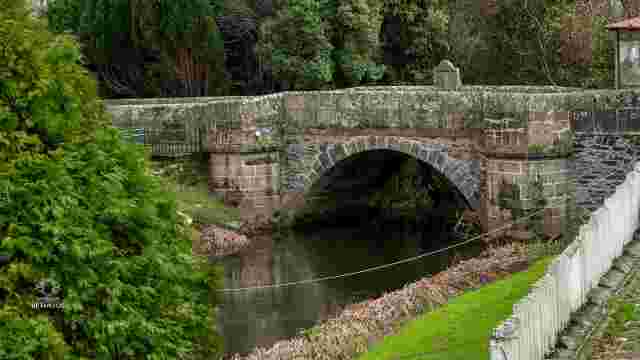
Old Bridge of As Cascas
Old As Cascas Bridge, cited in the year 1200, rebuilt in the 19th century and preserved as a historic element of the urban area.
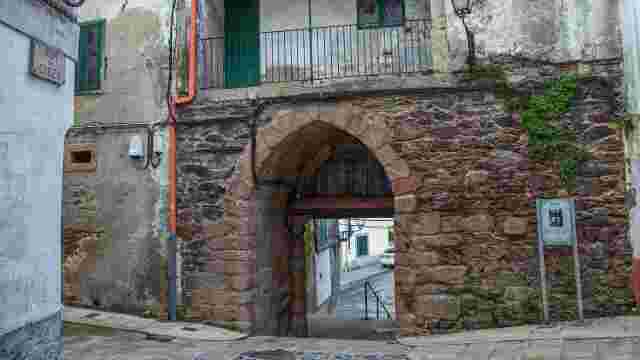
Christ Gate
Medieval gate of Betanzos’ historic centre, also known as Porta da Ribeira or Porta de Paio Fermoso, built in the 15th century.
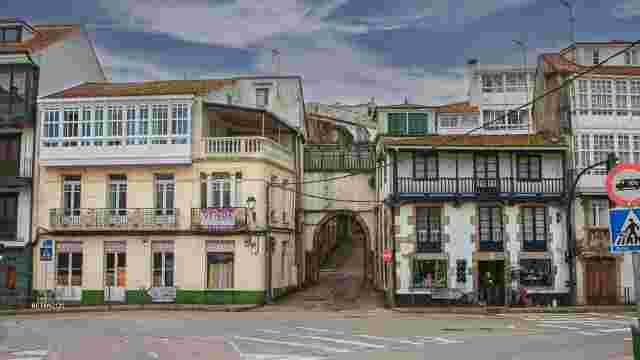
New Bridge Gate
15th-century medieval gate, the best preserved in the city, with remains of towers and a pointed double inner arcade.
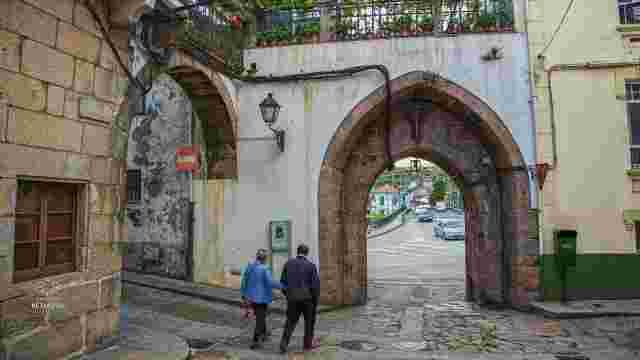
Old Bridge Gate
15th-century medieval gate that preserves the portcullis guides and served as a control point for the weights of market goods.