Located in Fernán Pérez de Andrade “O Boo” Square, this church was built between the second half of the 14th century and the early 15th century by the knight who gives his name to the square and his successor Fernán Pérez “O Mozo”, on the site of an earlier Romanesque temple. It has a basilica plan with three naves, the central one wider than the side aisles, a wooden gabled roof and three apsidal chapels, all covered with ribbed vaults. The tympanum of the main portal depicts two scenes: an Epiphany or Adoration of the Magi and an Annunciation. The entrance is flanked by two niches with slightly archaic images of the Virgin and the Archangel Saint Gabriel, related to the Annunciation. Inside, noteworthy features include the altarpiece with Flemish carvings, the capital representing the agricultural calendar, 16th-century mural paintings and a set of tombs belonging to members of the medieval civil society of the city.
Betanzos Monumental Route
Route through the historic centre of Betanzos, discovering its main monuments, squares and charming corners.
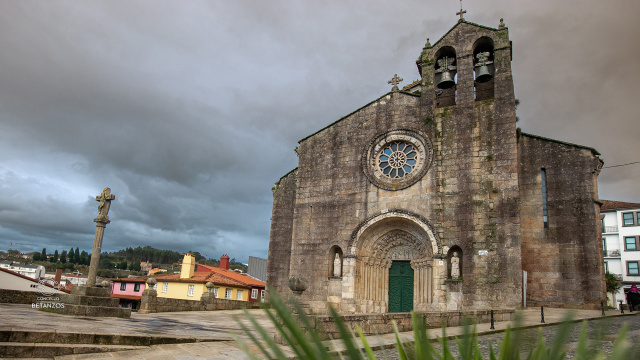
Church of Santa María do Azogue
14th–15th century Gothic church with Flemish altarpieces, mural paintings and tombs of medieval Betanzos society.
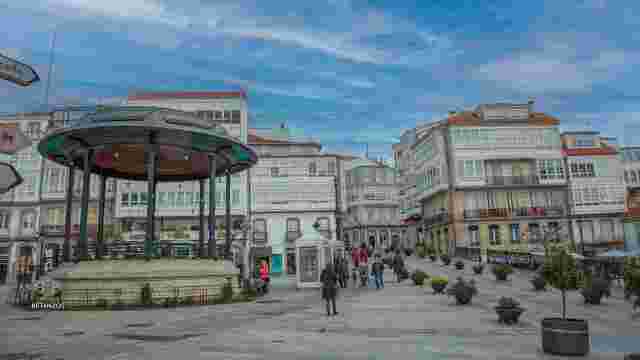
Porta da Vila
Former medieval gate of Betanzos, also known as the Royal Gate, decorated with the coats of arms of Galicia, Castile and León, and the city.
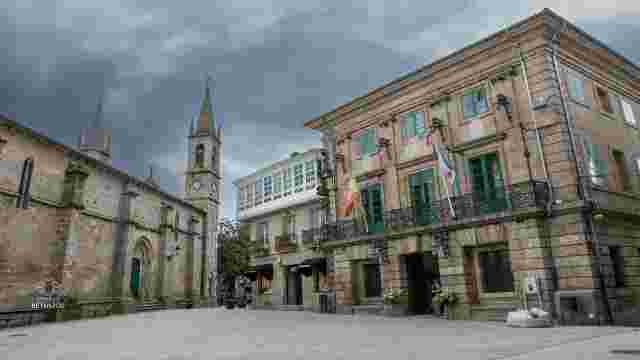
Constitution Square
Historic square in Betanzos featuring the Town Hall, the Clock Tower, the Church of Santiago and several medieval palaces.
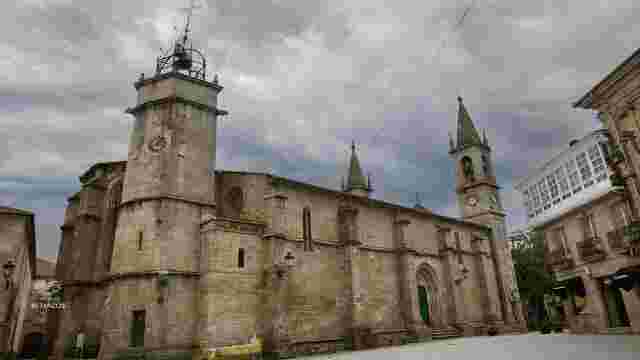
Church of Santiago
15th-century church transitioning from Romanesque to Gothic, linked to Fernán Pérez de Andrade and the Way of Saint James.
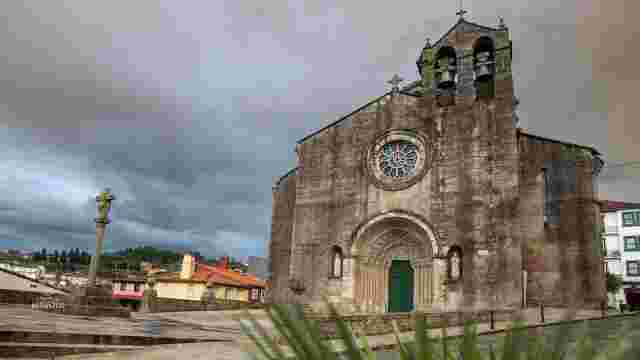
Church of Santa María do Azogue
14th–15th century Gothic church with Flemish altarpieces, mural paintings and tombs of medieval Betanzos society.
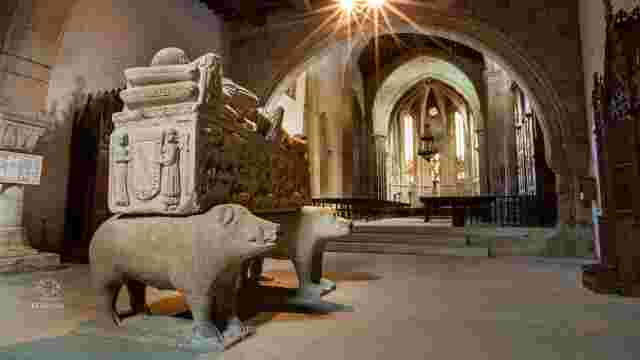
Church and Convent of San Francisco
14th-century Gothic temple declared a BIC, with extraordinary tombs of the Andrade family and rich sculptural decoration.
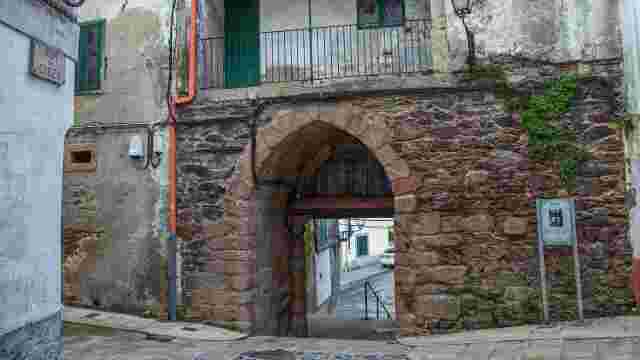
Christ Gate
Medieval gate of Betanzos’ historic centre, also known as Porta da Ribeira or Porta de Paio Fermoso, built in the 15th century.
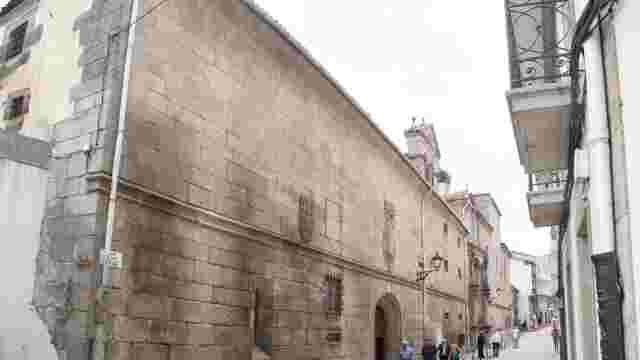
Convent of the Augustinian Recollects
17th–18th century convent with a 16th-century cloister, historic coats of arms and valuable altarpieces from the Compostela School.
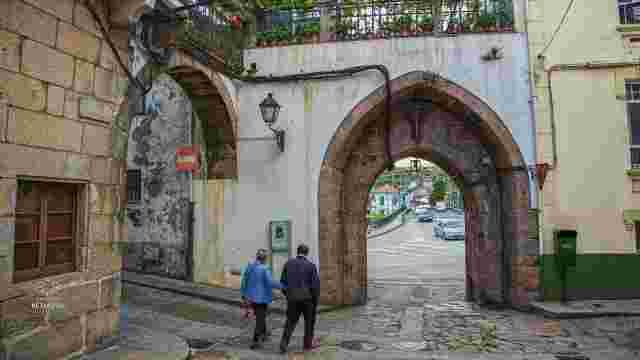
Old Bridge Gate
15th-century medieval gate that preserves the portcullis guides and served as a control point for the weights of market goods.