Historic Urban Centre
A walk through the medieval heart of Betanzos and its main landmarks
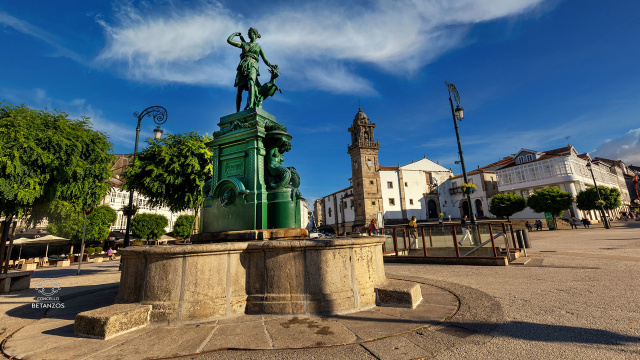
Diana the Huntress Fountain
Monumental fountain inaugurated in 1867, a replica of the Diana of the Louvre and one of Betanzos’ most recognisable urban symbols.
Situada en la Plaza de los Hnos. Garcia Naveira, su inauguración data del año 1867. Es una fiel reproducción de la Diana del Louvre en hierro colado; fue realizada en París en los talleres de la fundición de " Ducel e Hijos" segun un proyecto del ingeniero Pedro Villar. Destaca su pilón poligonal y las dos sirenas que soportan una peana de guirnaldas sobre las que se asienta la escultura de la diosa mitológica.
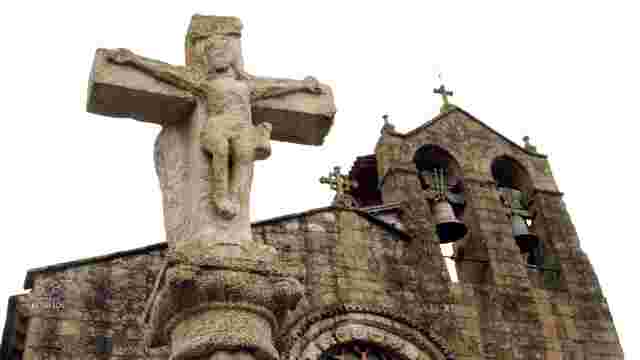
Santa María Stone Cross
Stone cross located in the historic centre of Betanzos.
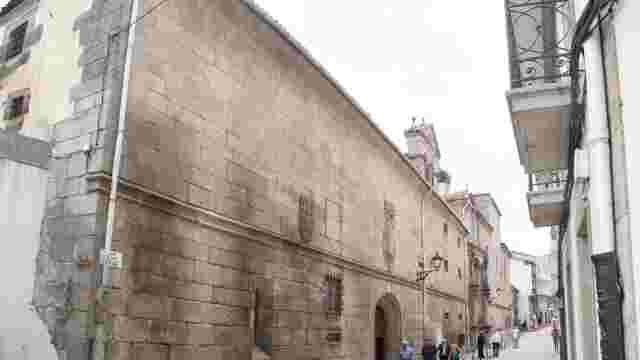
Convent of the Augustinian Recollects
17th–18th century convent with a 16th-century cloister, historic coats of arms and valuable altarpieces from the Compostela School.
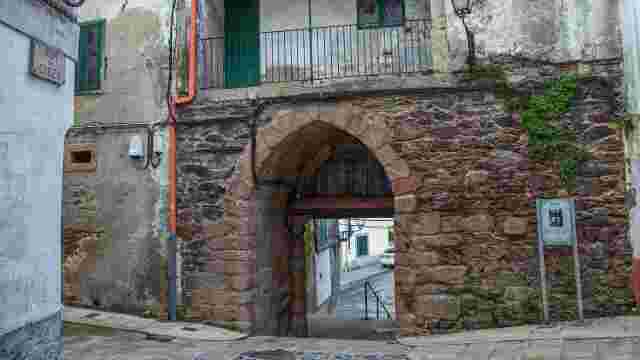
Christ Gate
Medieval gate of Betanzos’ historic centre, also known as Porta da Ribeira or Porta de Paio Fermoso, built in the 15th century.
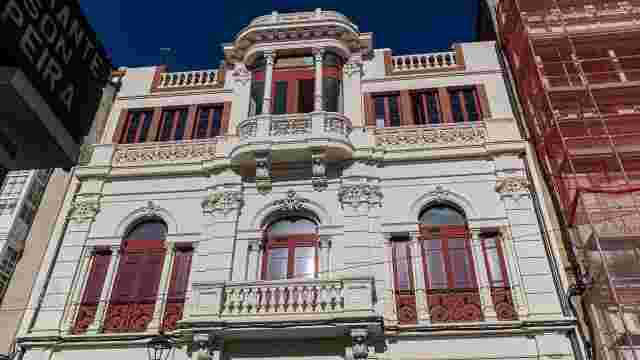
Casa Pita
1906 modernist building on Valdoncel Street, designed by Matías Witz, restored and characterised by balconies and an upper cornice.
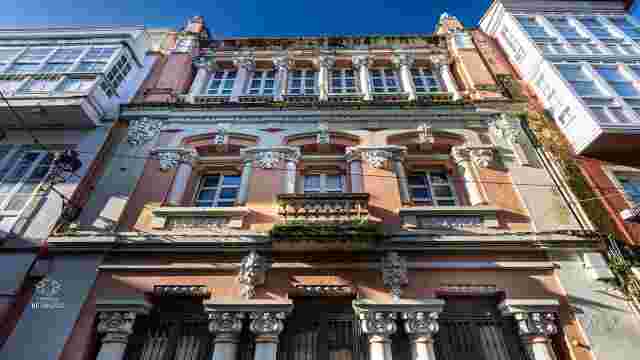
Casa del Pueblo (People’s House)
Building promoted in 1917 thanks to the legacy of Jesús García Naveira for the Federation of Workers’ Societies of Betanzos.
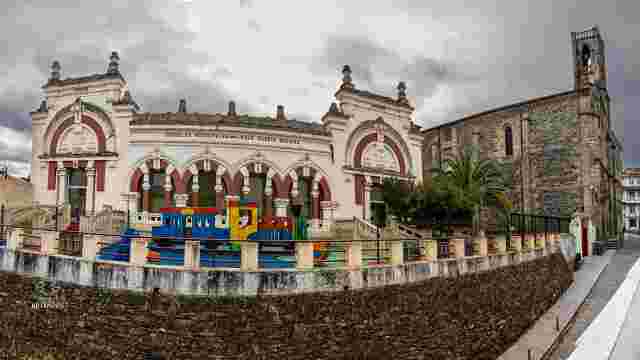
Jesús García Naveira School
Os Cabildos or San Francisco Schools, built in 1917, a unique example of modernist architecture with Islamic and Baroque references.
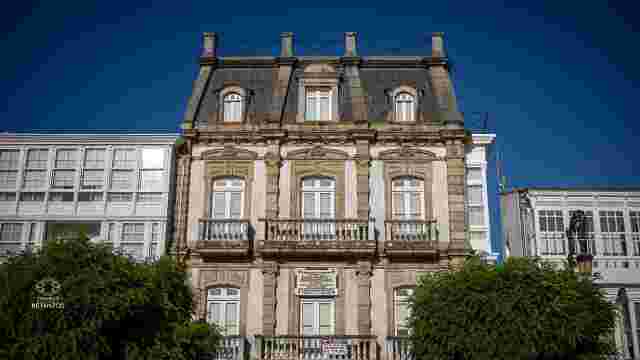
García Naveira Brothers’ House
French-influenced building built in 1890 as the home and business of Juan García Naveira, notable for its use of marble and commemorative plaque.
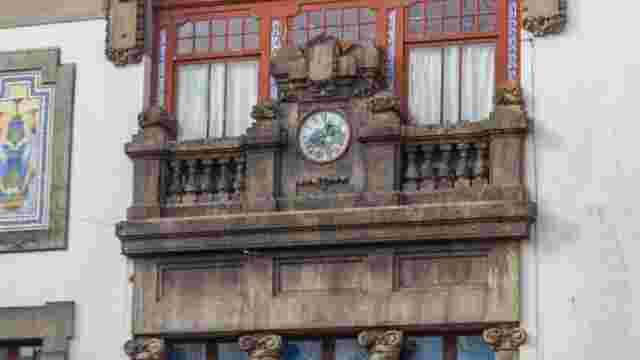
Casa Núñez
Modernist building by Rafael González Villar combining architecture, commerce and art, now home to the CIEC Foundation.
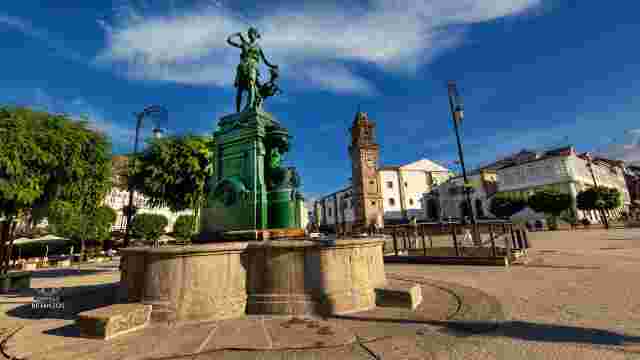
Diana the Huntress Fountain
Monumental fountain inaugurated in 1867, a replica of the Diana of the Louvre and one of Betanzos’ most recognisable urban symbols.
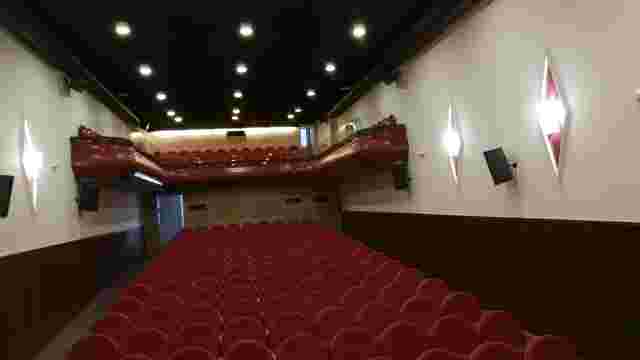
Alfonsetti Cinema-Theatre
Alfonsetti Theatre-Cinema, inaugurated in 1882, one of the oldest cinemas in Spain, now the municipal theatre in the former convent of San Domingos.
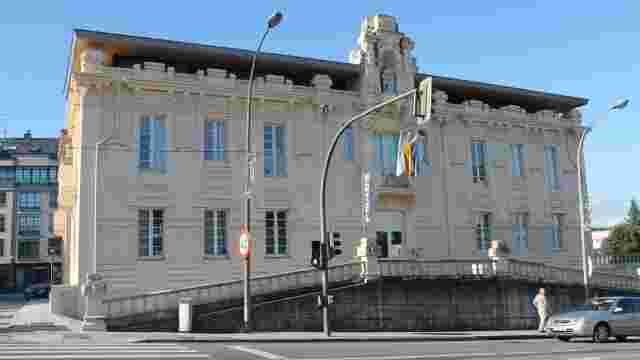
Manuel Naveira Asylum
Charitable building from 1914, promoted by Manuel Naveira González, eclectic in style and now converted into a hotel.
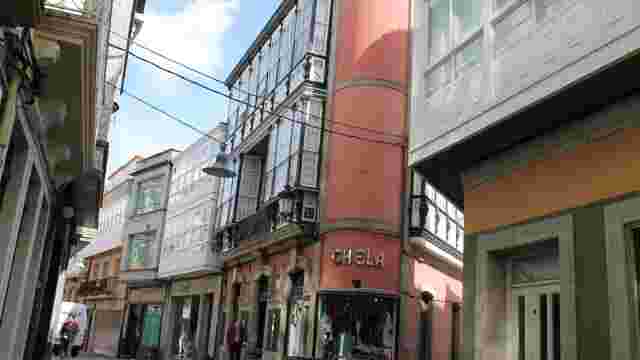
Casa Limiñón
Casa Limiñón, built in 1902 on Rúa Traviesa, a clear example of modernism and decorative craftsmanship.
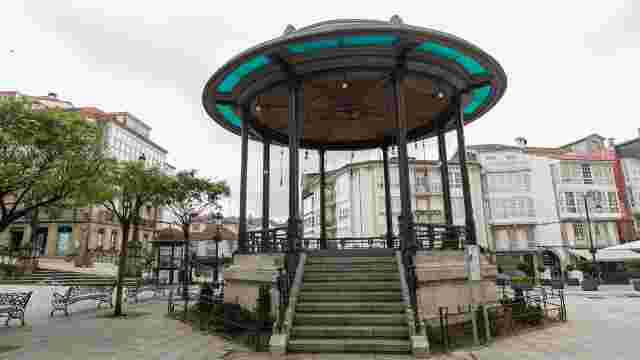
Bandstand
Neoclassical 18th-century manor house, with an L-shaped floor plan and a large heraldic coat of arms, promoted by Archbishop Sánchez Baamonde.
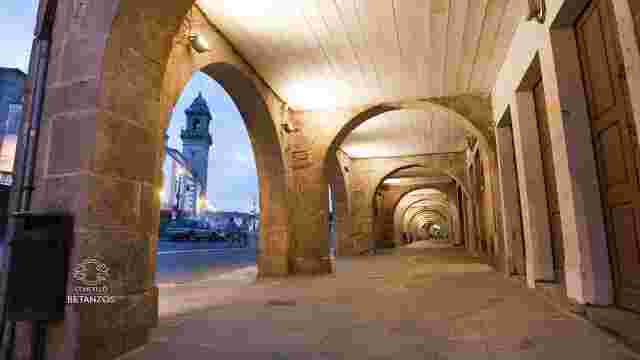
Soportales del Campo Arcades
Popular street with gallery houses and arcades, now an area of bars and restaurants and a social meeting point in Betanzos.
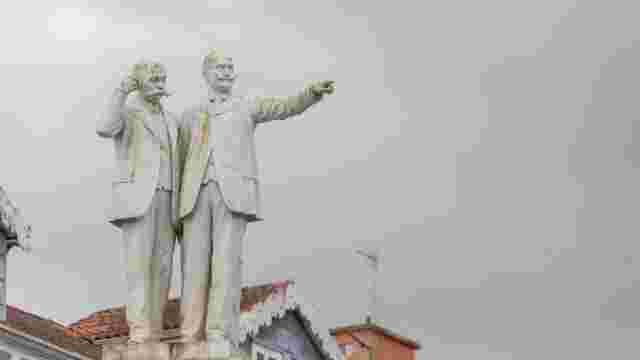
García Naveira Brothers Statue
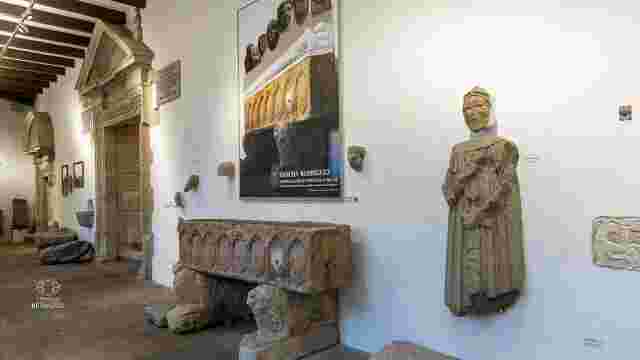
Museo das Mariñas
Extensive ethnographic collection of traditional costumes, photography and history.
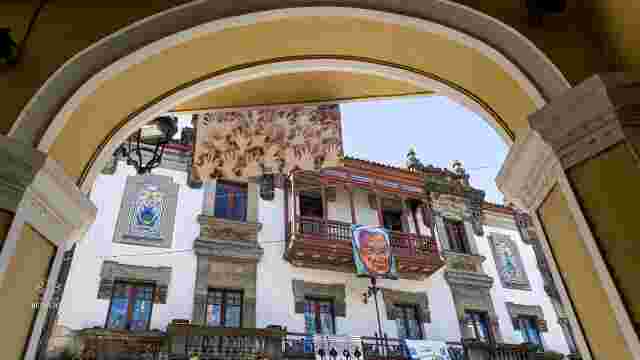
CIEC (International Centre for Contemporary Printmaking)
Printmaking workshop and museum, housed in the modernist building created by Rafael González Villar for the Núñez family.
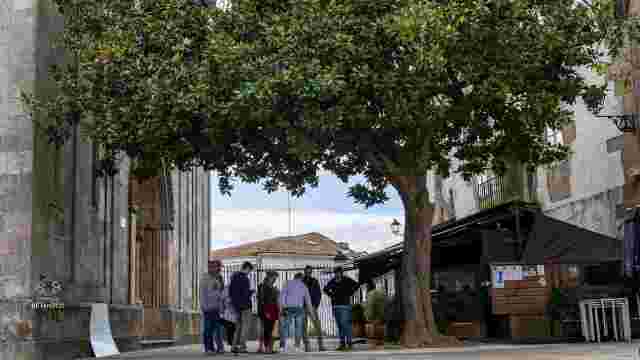
Lanzós Magnolia Tree
Historic grove of magnolias planted in 1884, located between the Church of Santiago and the Pazo of Lanzós, highly appreciated for its summer shade.
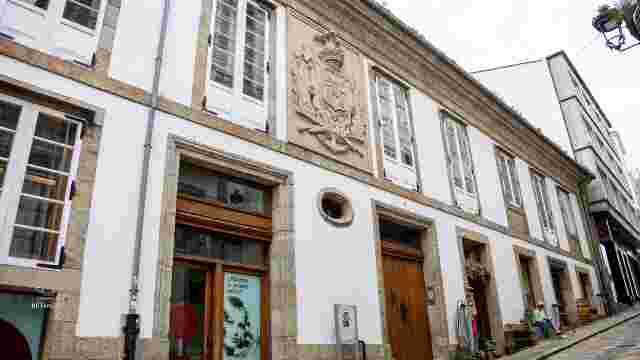
Pazo of the Counts of Taboada
19th-century neoclassical manor house located in the historic centre, with a large family coat of arms and linked to the County of Taboada.
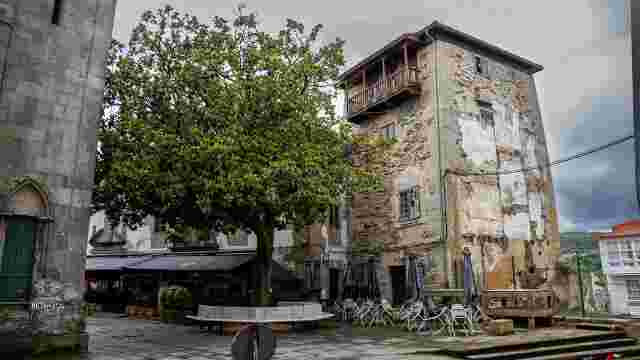
Pazo de Lanzós
17th-century Baroque manor house with projecting balcony and modified tower, an example of Betanzos’ urban noble architecture.
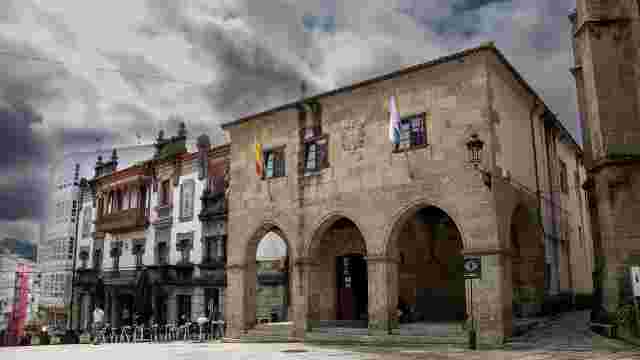
Pazo de Bendaña
Historic building from the 15th and 16th centuries with pointed arcade and coats of arms, still serving as the headquarters of the Treasury.
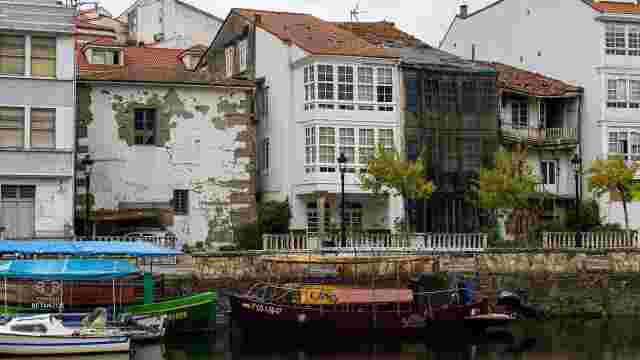
Alfolí (Salt Storehouse)
Medieval building used for the storage and weighing of salt, a key product in Betanzos’ port trade.
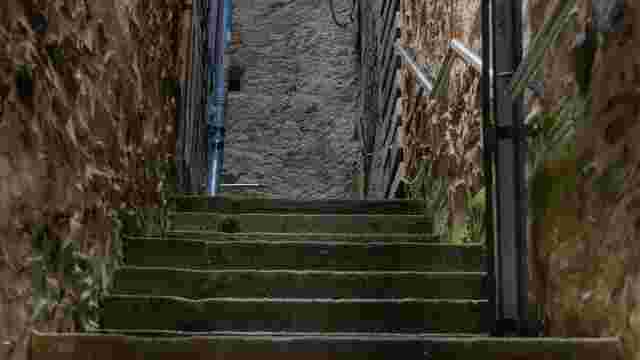
Os Xudeus Street
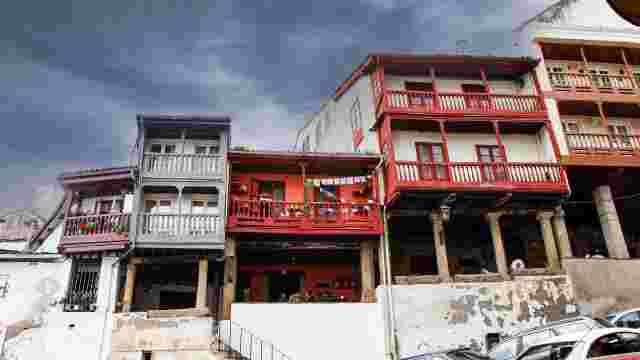
Mariñán-style houses of Fonte de Unta, A Cañota and Rúa Quiroga
Traditional agricultural neighbourhood of Fonte de Unta, characterised by arcades and wooden balconies used as urban granaries.
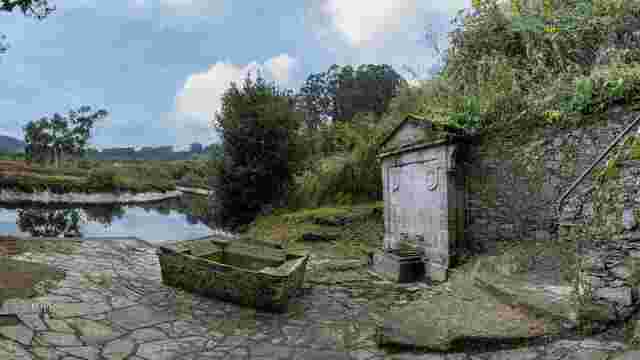
Fountain of the Angels
Historic fountain documented since 1613 and rebuilt in 1834, bearing the coats of arms of the city and Archdeacon Pedro de Ben.
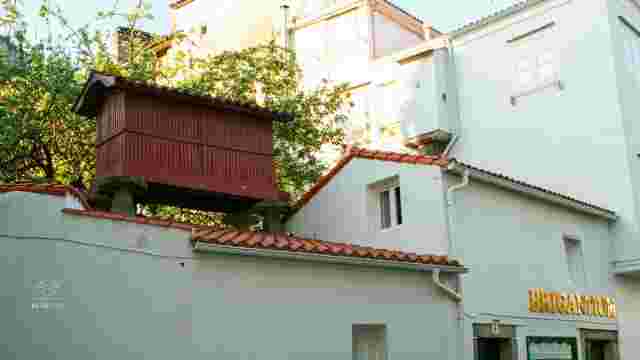
Hórreo da Rúa Nova
This 18th-century urban granary is privately owned and recalls the ancient Orreum mentioned in Betanzos’ foundation charter of 1219.
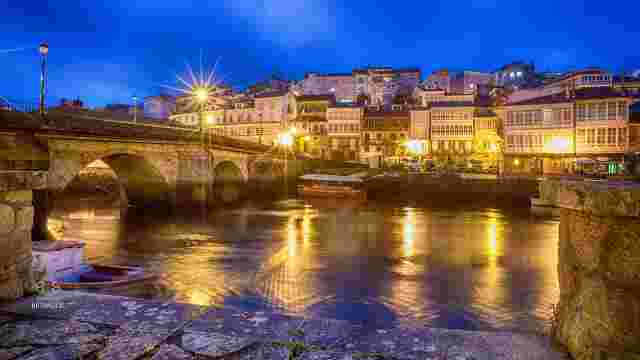
Old Bridge
Medieval bridge documented since 1219, with five arches and 59 metres in length, now crossed by pilgrims on the English Way.
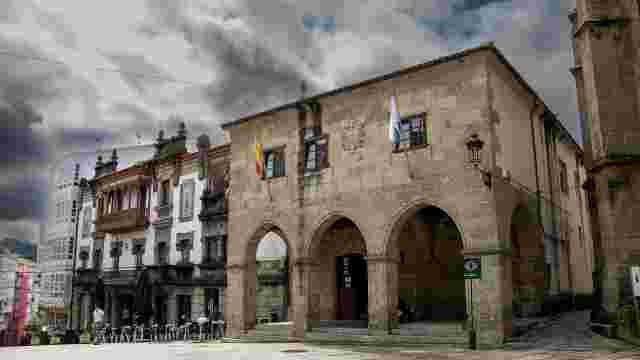
Historic Centre Route
Route through Betanzos’ historic centre, a historic-artistic ensemble, covering the medieval enclosure and its main monuments and churches.