Medieval building used as a storehouse and weighing facility for salt, one of the main products traded through the port of Betanzos. The name “alfolí” comes from Arabic and translates as “salt well”. The salt trade was regulated by the Crown and was so important in Betanzos that the town even entered into legal disputes with the city of A Coruña over the monopoly of this commerce. It should also be noted that the Ría de Betanzos had its own salt pans in the Pedrido area.
Ethnographic Heritage
Map of Betanzos’ ethnographic heritage, featuring traditional trades, customs and popular culture
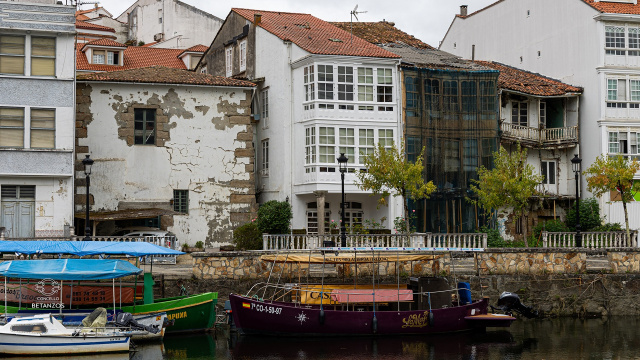
Alfolí (Salt Storehouse)
Medieval building used for the storage and weighing of salt, a key product in Betanzos’ port trade.
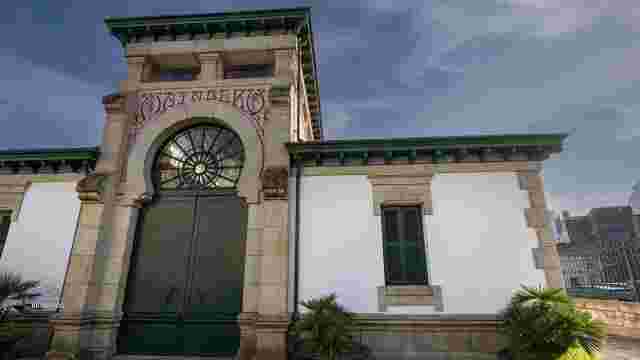
Former Municipal Slaughterhouse
Former municipal slaughterhouse from the early 20th century, with distinctive architecture and iron and tile decoration.
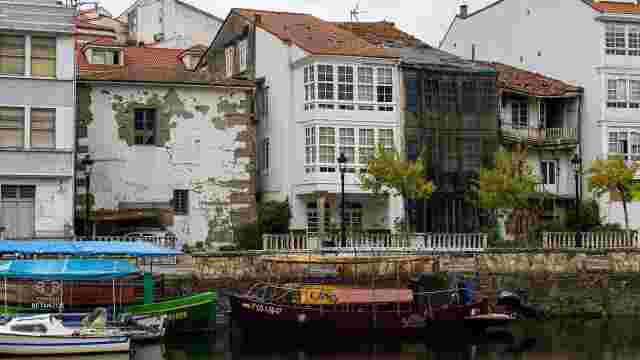
Alfolí (Salt Storehouse)
Medieval building used for the storage and weighing of salt, a key product in Betanzos’ port trade.
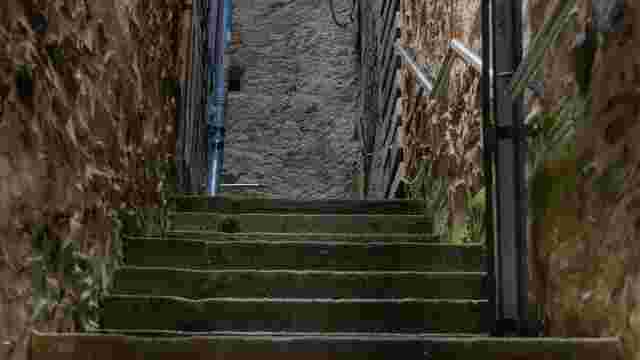
Os Xudeus Street
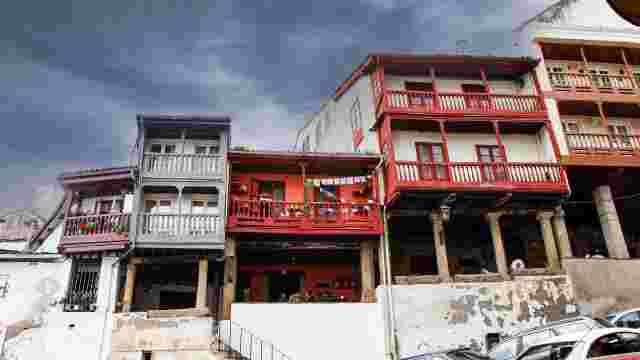
Mariñán-style houses of Fonte de Unta, A Cañota and Rúa Quiroga
Traditional agricultural neighbourhood of Fonte de Unta, characterised by arcades and wooden balconies used as urban granaries.
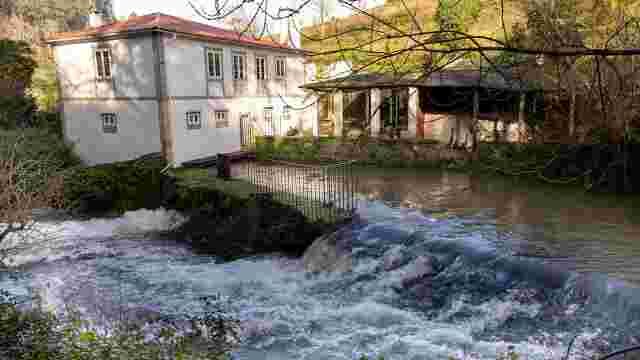
A Acea and Roibeira Mills
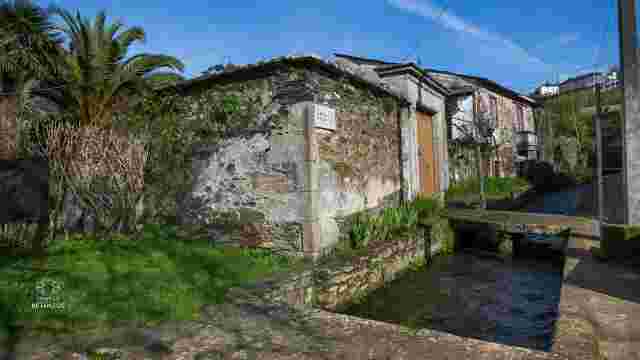
Caraña Mills
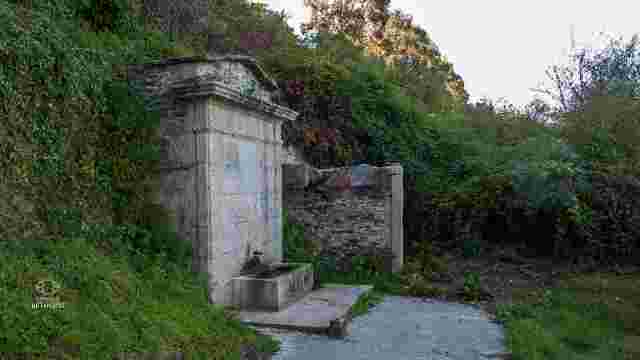
Fonte da Cangrexeira
Fountain cited in documents from 1633, also known as the San Gregorio Fountain, linked to the port and the Magdalena district.
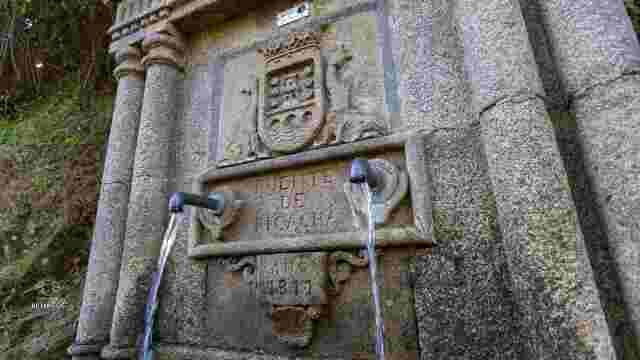
Picachá Fountain
Neoclassical fountain from 1911, designed by Francisco Javier Martínez Santiso, decorated with semicols, coats of arms and marine figures.
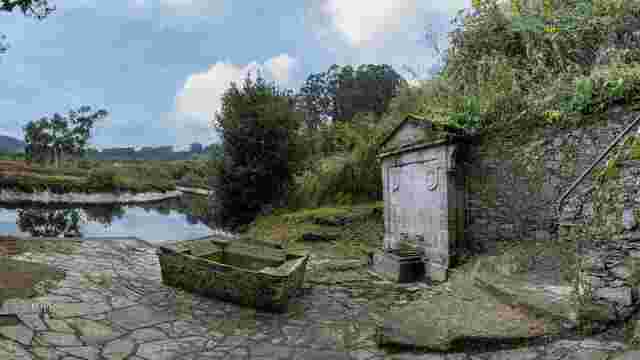
Fountain of the Angels
Historic fountain documented since 1613 and rebuilt in 1834, bearing the coats of arms of the city and Archdeacon Pedro de Ben.
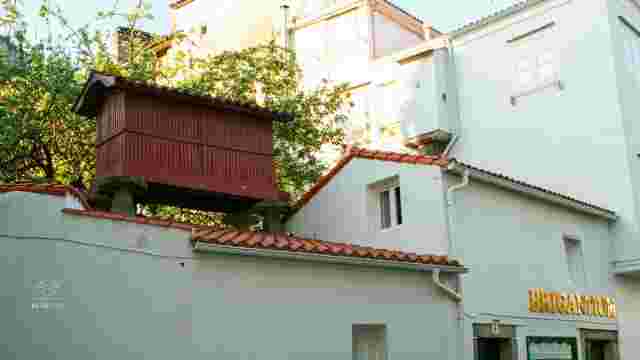
Hórreo da Rúa Nova
This 18th-century urban granary is privately owned and recalls the ancient Orreum mentioned in Betanzos’ foundation charter of 1219.
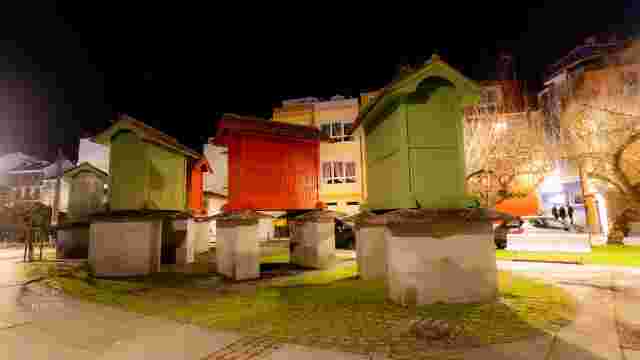
A Galera Granaries
Group of five Mariñán-type granaries by the Mendo River, recalling the former maize-drying area since the 17th century.
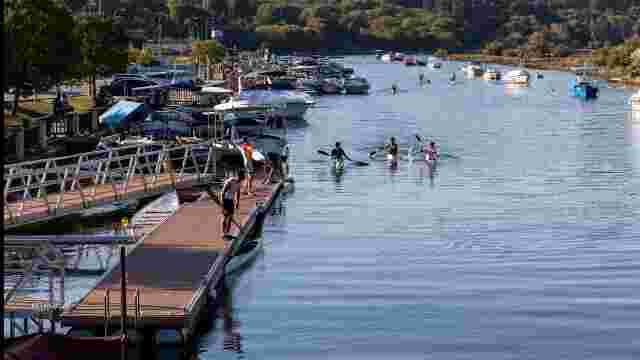
Port of Betanzos
The medieval port of Betanzos has not been preserved, but quays and promenade areas remain.
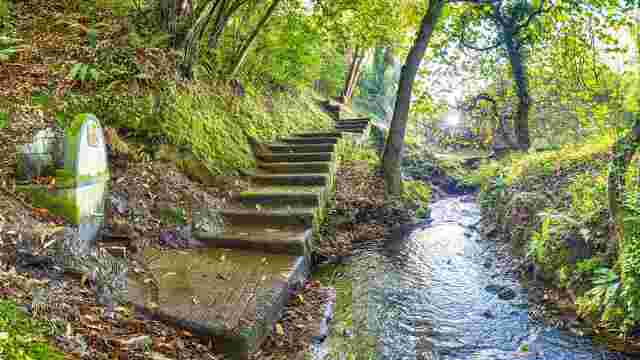
Pelamios Route
Family-friendly route along the Pelamios River, just over 1.5 km long, easy and quiet, ideal for enjoying nature with children.