The Fonte dos Ánxeles (Fountain of the Angels), located beside the River Mandeo in Betanzos, was built in 1834, as indicated on its pediment, and features two heraldic coats of arms: that of the town and that of Archdeacon Pedro de Ben. Documented as early as 1613, this traditional fountain stands along the route from Rúa dos Ánxeles towards Campo dos Caneiros.
Trades and Traditions
The living memory of Betanzos through its guilds, festivals and popular culture
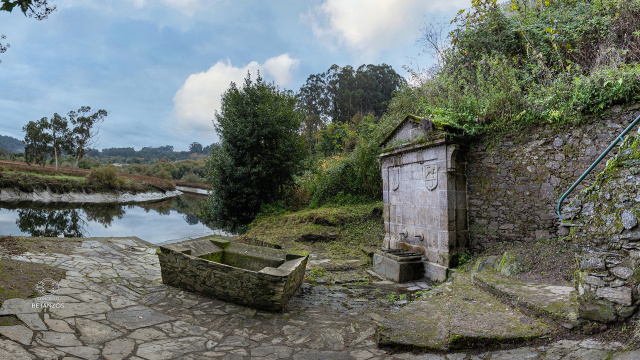
Fountain of the Angels
Historic fountain documented since 1613 and rebuilt in 1834, bearing the coats of arms of the city and Archdeacon Pedro de Ben.
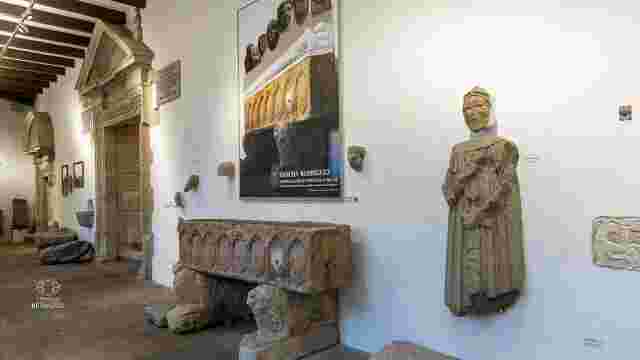
Museo das Mariñas
Extensive ethnographic collection of traditional costumes, photography and history.
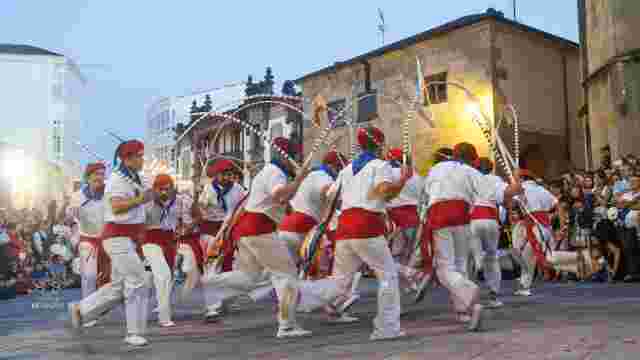
Guild Dances
Ancient medieval guild dances of Betanzos, such as the sailors’ arch dance and the farmers’ dance, preserving traditional attire.
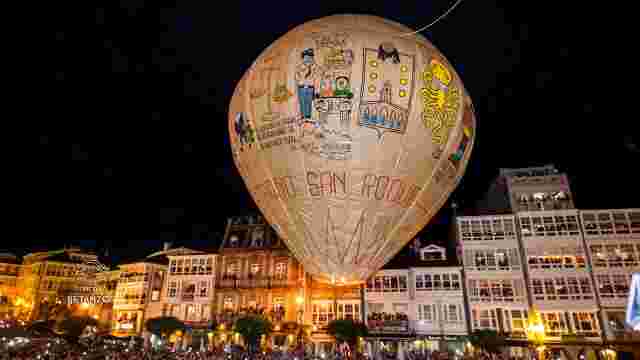
San Roque Balloon
The world’s largest paper balloon rises every 16 August in honour of Betanzos’ patron saint, San Roque.
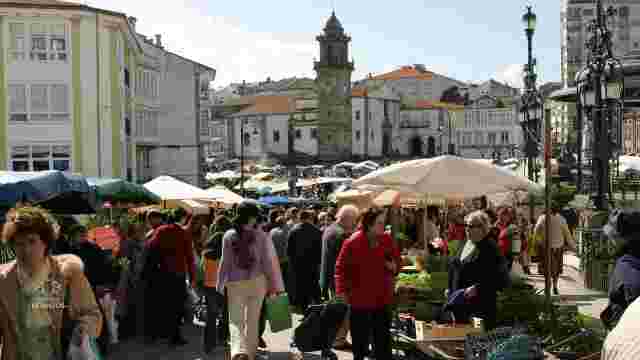
Monthly Fairs
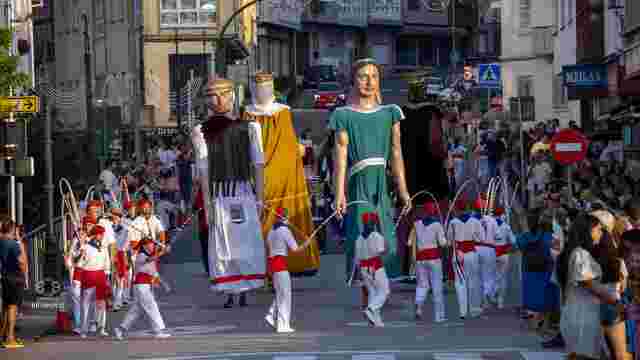
San Roque Patron Saint Festivities
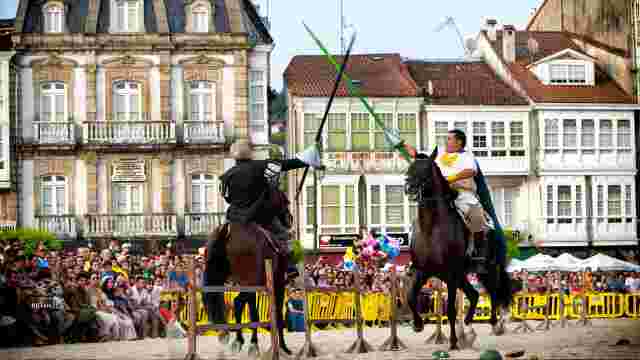
Medieval Feira Franca
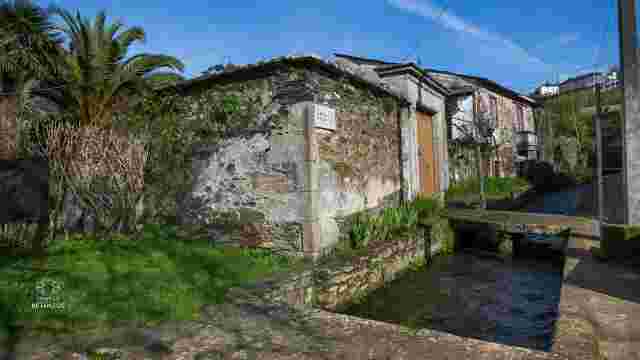
Caraña Mills
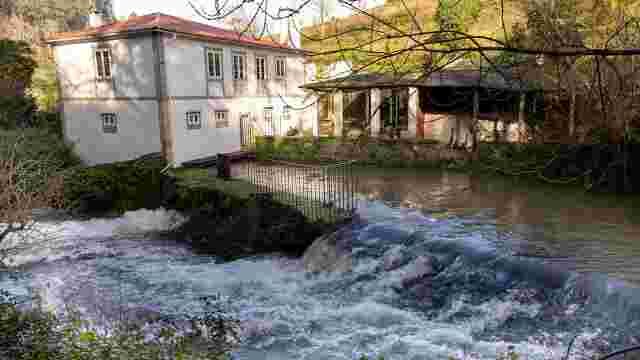
A Acea and Roibeira Mills
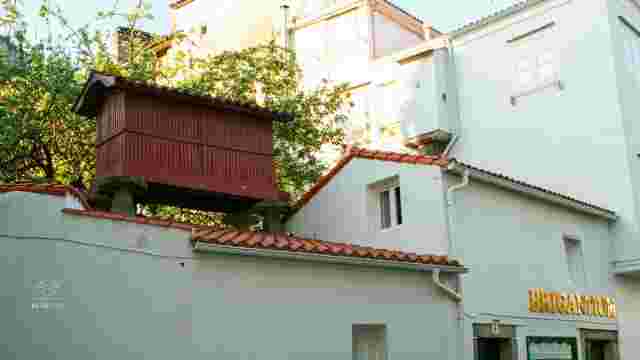
Hórreo da Rúa Nova
This 18th-century urban granary is privately owned and recalls the ancient Orreum mentioned in Betanzos’ foundation charter of 1219.
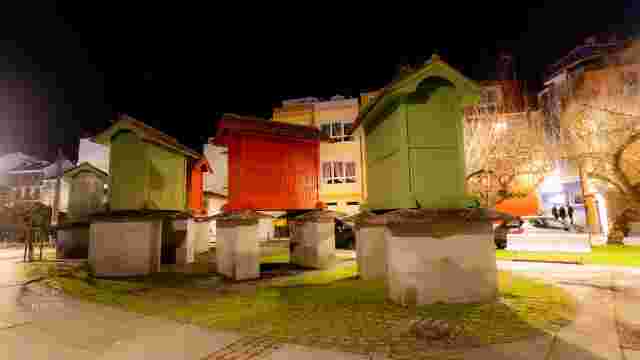
A Galera Granaries
Group of five Mariñán-type granaries by the Mendo River, recalling the former maize-drying area since the 17th century.
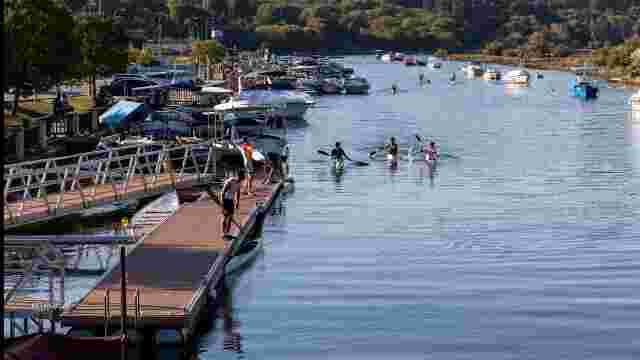
Port of Betanzos
The medieval port of Betanzos has not been preserved, but quays and promenade areas remain.
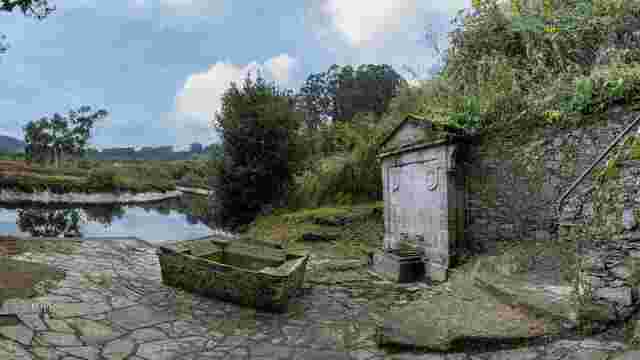
Fountain of the Angels
Historic fountain documented since 1613 and rebuilt in 1834, bearing the coats of arms of the city and Archdeacon Pedro de Ben.
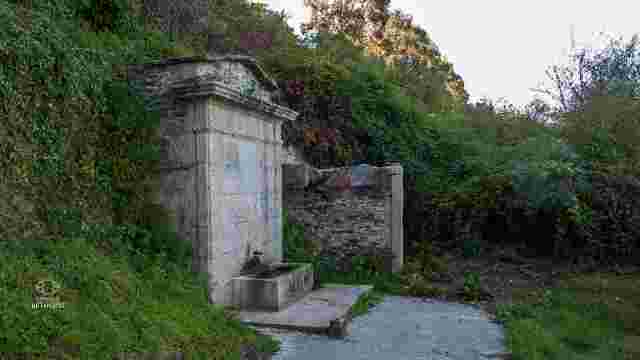
Fonte da Cangrexeira
Fountain cited in documents from 1633, also known as the San Gregorio Fountain, linked to the port and the Magdalena district.
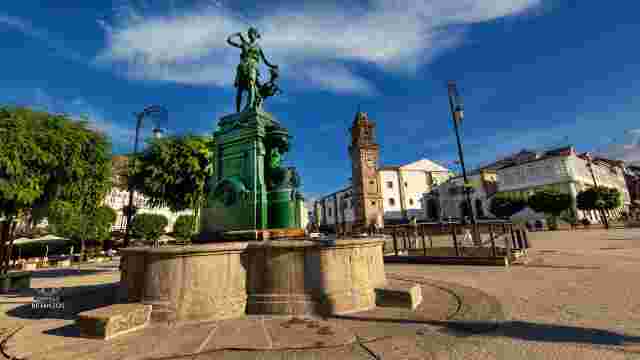
Diana the Huntress Fountain
Monumental fountain inaugurated in 1867, a replica of the Diana of the Louvre and one of Betanzos’ most recognisable urban symbols.
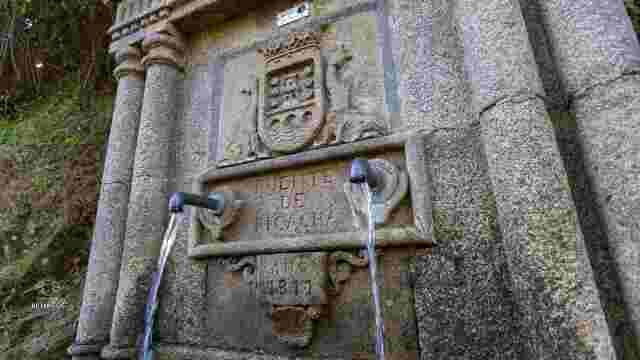
Picachá Fountain
Neoclassical fountain from 1911, designed by Francisco Javier Martínez Santiso, decorated with semicols, coats of arms and marine figures.
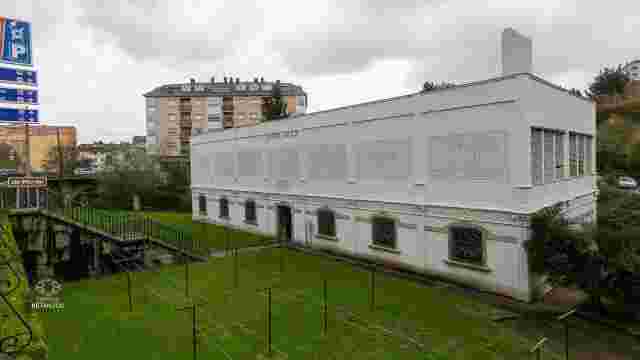
Free Public Washhouse
Public washhouse inaugurated in 1902 by the García Naveira brothers, with two levels and capacity for more than twenty washerwomen according to the tides.
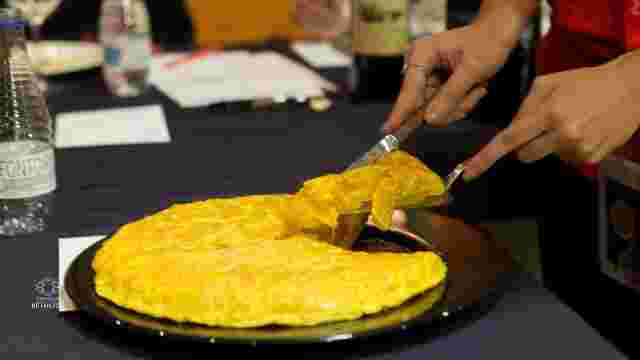
Betanzos Omelette
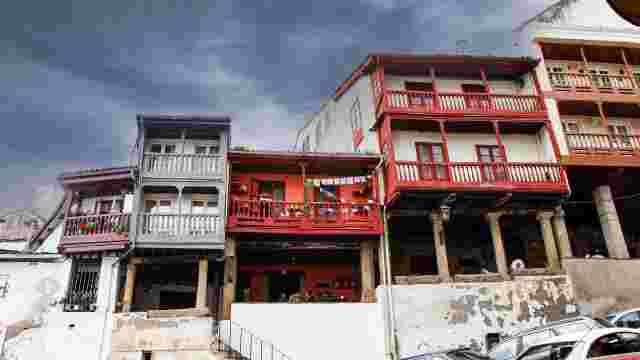
Mariñán-style houses of Fonte de Unta, A Cañota and Rúa Quiroga
Traditional agricultural neighbourhood of Fonte de Unta, characterised by arcades and wooden balconies used as urban granaries.
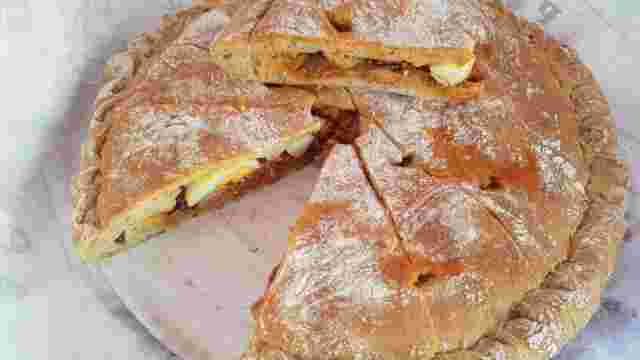
Magdalena Sweet Bread
Traditionally enjoyed on Easter Monday or Magdalena Monday, this dish resembles a savoury pie.

Betanzos Cabbage
“Rice with peas, new potatoes, Betanzos cabbage and onions.” The popular Galician song refers to this local garden product.