It belongs to the parish of Tiobre and is located on the English Way to Santiago. It is a Renaissance-style building from the 16th–17th centuries (1568–1601). The construction of the building is attributed to Juan de Herrera, and it stands on the site of a former hermitage. The ground plan is divided into three sections of different heights: apse, transept and nave. The main body corresponds to the presbytery, covered by a large double-ribbed vault with tiercerons. Two chapels open off the transept, dedicated to Saint Cajetan and Saint Anthony, both covered with ribbed vaults. The main façade features images of Christ, Saint James and Saint Roch. The origin of the temple is linked to legends based on apparitions of the Virgin. It is known that a previous hermitage existed on this same site, which included a hospital for pilgrims.
Wine, Sanctuaries and Rivers Route
Route through the rural surroundings of Betanzos following the Mandeo and Mendo rivers, passing vineyards, sanctuaries and natural landscapes of outstanding her
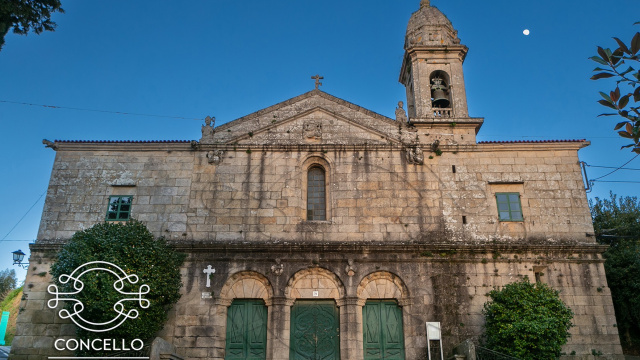
Church of Our Lady of the Way
Renaissance sanctuary linked to the English Way, associated with Marian legends and the historic care of pilgrims.
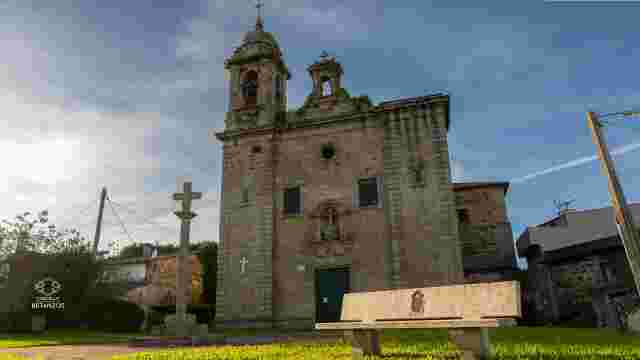
Church of As Angustias
18th-century Baroque church with a Latin cross plan, notable for its imposing stone façade.
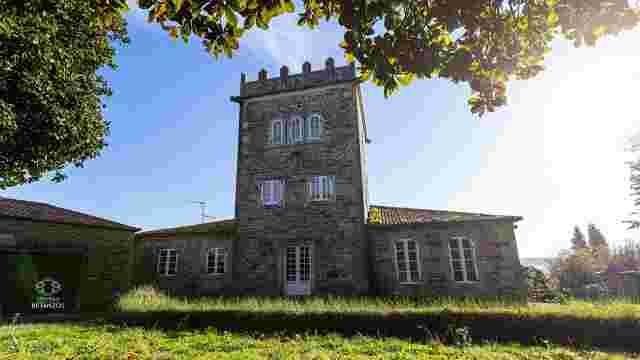
Pazo de Illobre
Manorial residence of medieval origin in Pontellas, renovated in the 20th century, with gardens and a tradition linked to the Counts of Taboada.
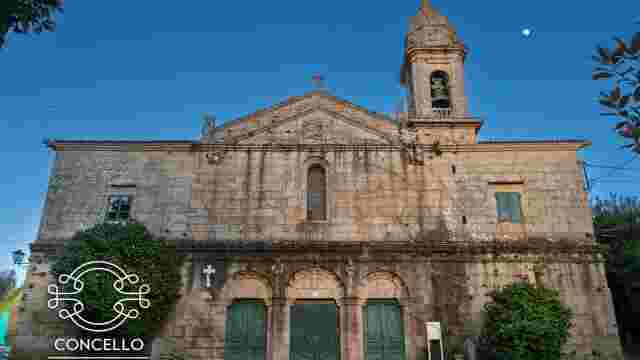
Church of Our Lady of the Way
Renaissance sanctuary linked to the English Way, associated with Marian legends and the historic care of pilgrims.
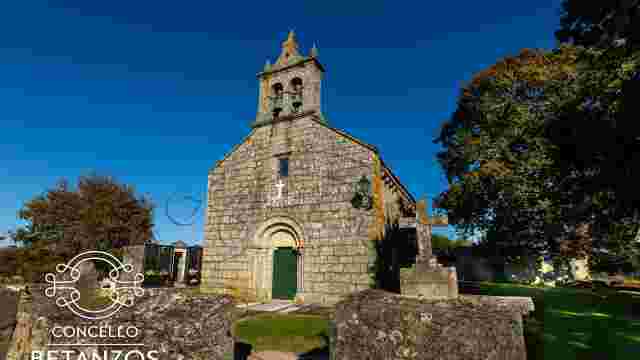
Parish Church of San Martín de Tiobre
12th-century Romanesque church with a single nave and rich sculptural decoration on the portal and bell gable.
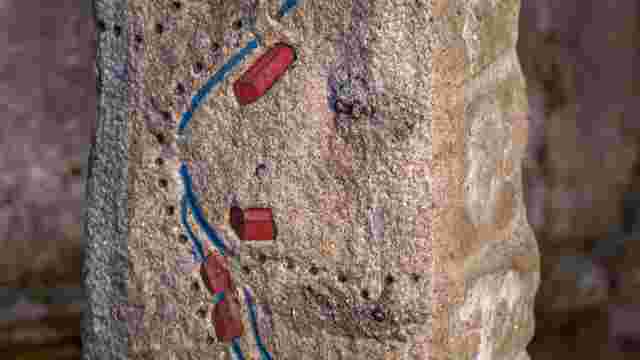
Pelamios River
Area of great scenic beauty with remains of 19 traditional watermills, now crossed by a hiking route.