Gothic-style church built in the second half of the 14th century under the patronage of Fernán Pérez de Andrade, who rebuilt an earlier monastery dating from the 12th century. It was declared a National Monument in 1919 and later designated a Site of Cultural Interest (BIC). Inside, the main chapel features a relief depicting God enthroned and surrounded by the four Evangelists. Angels playing different instruments, one of them a bagpipe, appear on the ribs of the vault, along with capitals decorated with fantastic animals. Particularly noteworthy is the extensive collection of sarcophagi belonging to various members of the Andrade family. The tomb of Fernán Pérez de Andrade, considered a precursor of medieval funerary sculpture, originally stood in the main chapel next to that of his wife Doña Sancha, but was moved in 1782 to the foot of the church beneath the choir. The sarcophagus is raised above the ground on the Andrade family’s symbolic animals, a bear and a wild boar, with the family coat of arms at the head and foot, hunting scenes of wild boar along the sides, and the recumbent figure of Andrade portrayed in armor in a resting position.
Religious Heritage
Collection of historic churches, parish churches, convents, chapels, stone crosses and a historic cemetery.
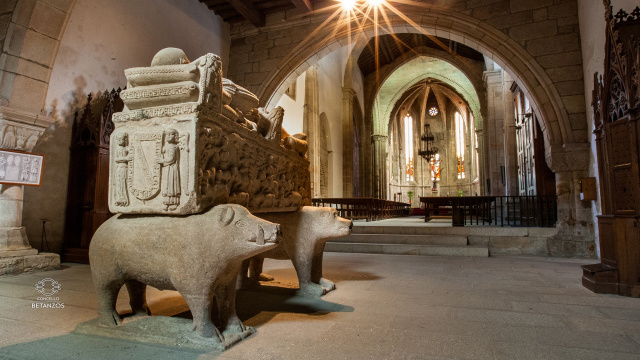
Church and Convent of San Francisco
14th-century Gothic temple declared a BIC, with extraordinary tombs of the Andrade family and rich sculptural decoration.
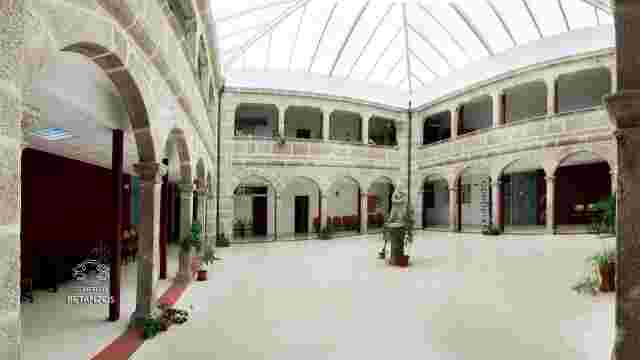
Former Hospital of San Antonio
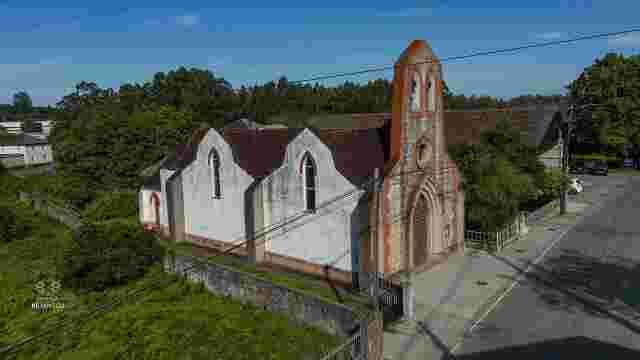
Chapel of Our Lady of Amparo
Neoclassical chapel dedicated to Our Lady of Amparo, with a simple façade and granite niche housing the Virgin’s image.
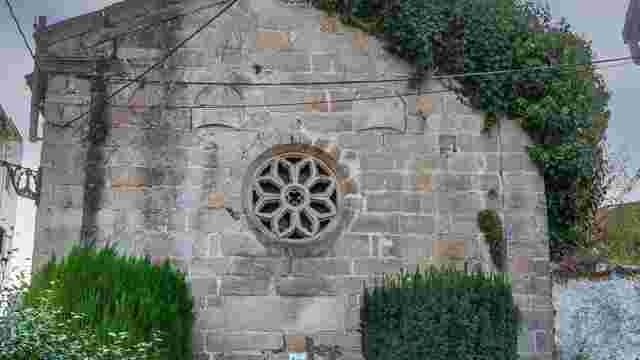
Magdalena Chapel
Small 18th-century chapel, heir to a former medieval hospital for lepers under the dedication of Saint Lazarus.
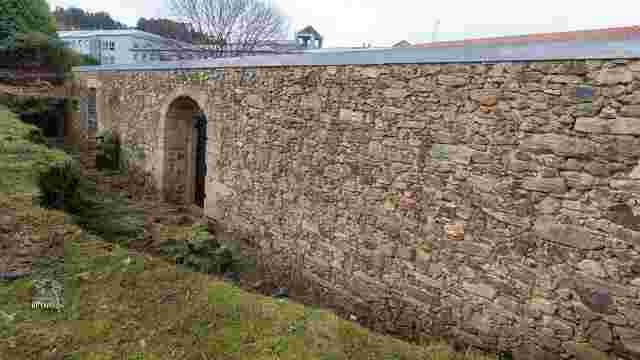
Convent of Donas
Former medieval convent with origins in the 11th century, linked to As Donas and the Las Cascas priory, now partially in ruins.
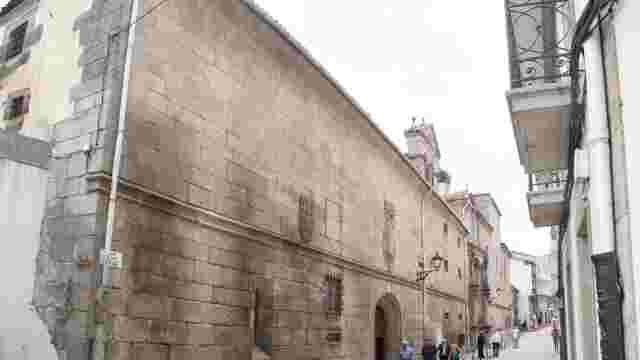
Convent of the Augustinian Recollects
17th–18th century convent with a 16th-century cloister, historic coats of arms and valuable altarpieces from the Compostela School.
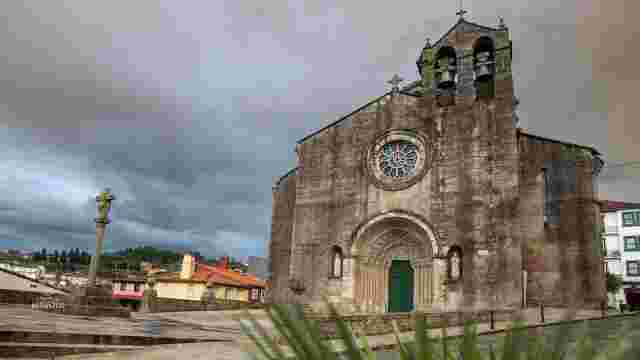
Church of Santa María do Azogue
14th–15th century Gothic church with Flemish altarpieces, mural paintings and tombs of medieval Betanzos society.
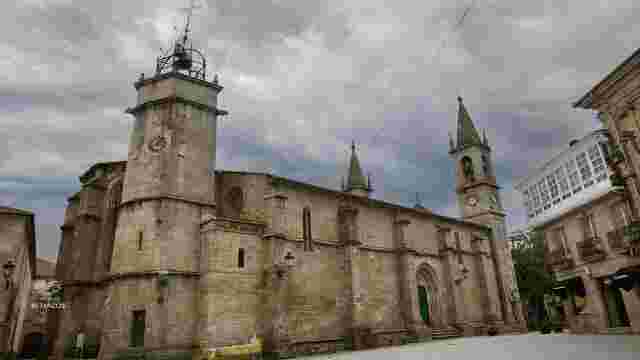
Church of Santiago
15th-century church transitioning from Romanesque to Gothic, linked to Fernán Pérez de Andrade and the Way of Saint James.
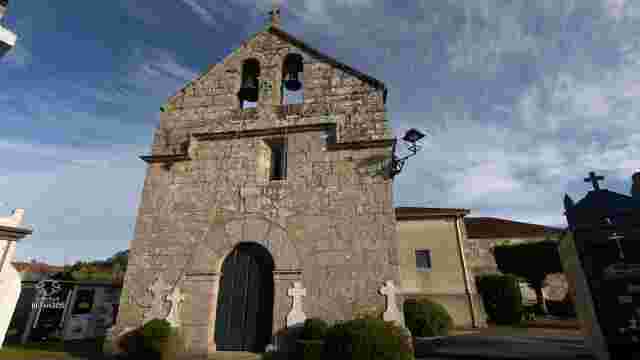
Parish Church of San Esteban de Piadela
16th-century church with a single nave, of undefined style, featuring interesting volumes and a distinctive bell tower integrated into the façade.
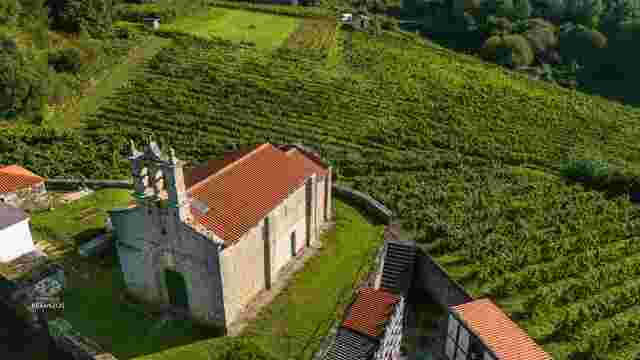
Parish Church of San Martín de Bravío
12th-century Romanesque church with a simple structure, triumphal arch and a dominant double bell gable.
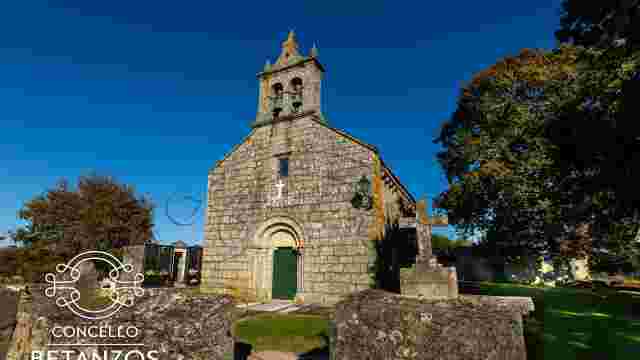
Parish Church of San Martín de Tiobre
12th-century Romanesque church with a single nave and rich sculptural decoration on the portal and bell gable.
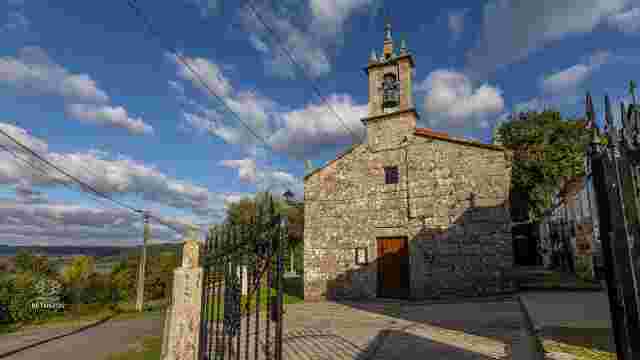
Parish Church of Santa María de Pontellas
13th-century Romanesque church with a single nave, pointed triumphal arch and simple bell gable, a sober example of rural Galician Romanesque.
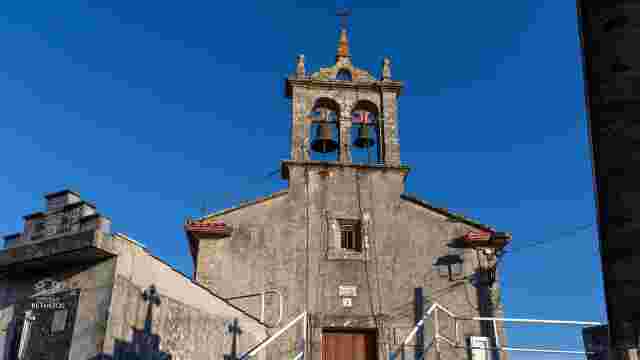
Parish Church of Santiago de Requián
Baroque church with a single nave, gallery and prominent double bell gable, representative of popular religious architecture in the region.
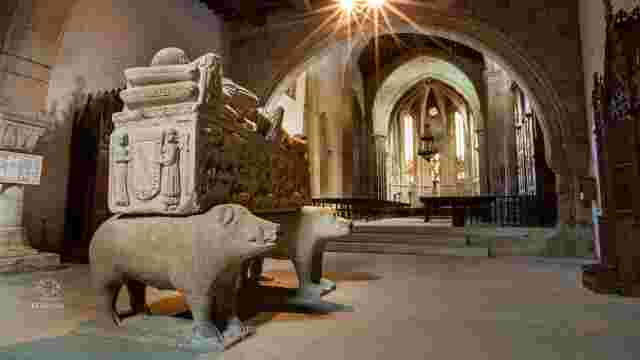
Church and Convent of San Francisco
14th-century Gothic temple declared a BIC, with extraordinary tombs of the Andrade family and rich sculptural decoration.
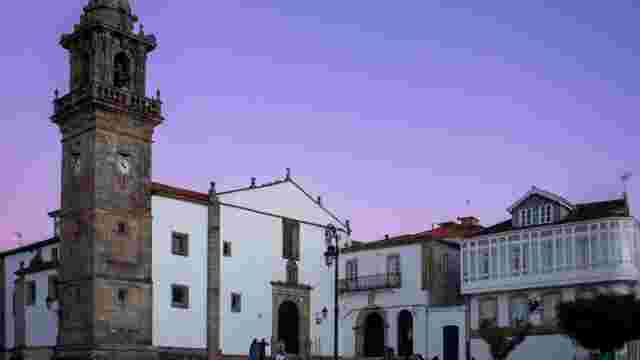
Church and Convent of Santo Domingo
Dominican church and convent begun in the 16th century, with a historic cloister and the tower from which the traditional San Roque balloon is launched.
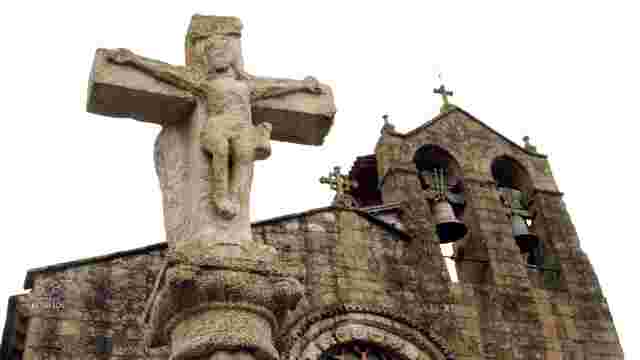
Santa María Stone Cross
Stone cross located in the historic centre of Betanzos.
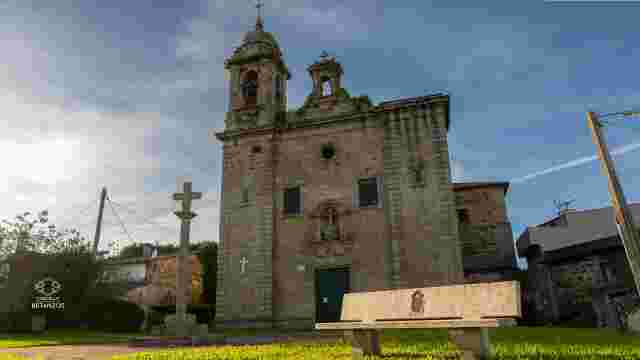
Church of As Angustias
18th-century Baroque church with a Latin cross plan, notable for its imposing stone façade.
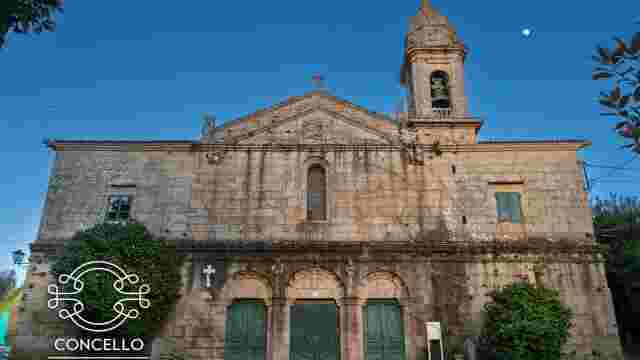
Church of Our Lady of the Way
Renaissance sanctuary linked to the English Way, associated with Marian legends and the historic care of pilgrims.