The Museo das Mariñas is a museum of history and ethnography. It is located in the former Convent of Santo Domingo in Betanzos and was inaugurated in 1983. The same building also houses the municipal archive and library. The museum is divided into two floors. On the ground floor, historical pieces from the regions linked to Betanzos are exhibited. One section features Galician jewellery from the Second Iron Age, such as torcs and bracelets. Another section displays various medieval remains, including tombs of figures from the clergy, the nobility, and the town of Betanzos. Notable examples include the presumed physician Fernán Pérez de Andrade (14th century) and his wife Sancha Rodríguez, Nuno Freire de Andrade (15th century), Andrade “the Younger” (c. 15th century), and Irmandiño figures such as Afonso de Carvallido. On the first floor are the doors of the Archive of the Hospital of Saint Anthony of Padua in Betanzos, dating from 1674, as well as oil paintings from the Apostolate of the Rubens School originating from Antwerp. The museum also includes a small costume museum with fabrics, festive attire, traditional Galician dress, and looms. The upper floor further features a collection of symbols of the Spanish Republican government, the Galician nationalist movement, and the Irmandades da Fala of Betanzos.
Pasatempo and Museums
Cultural route through the Parque do Pasatempo de Betanzos and its museum, a unique space of heritage and memory.
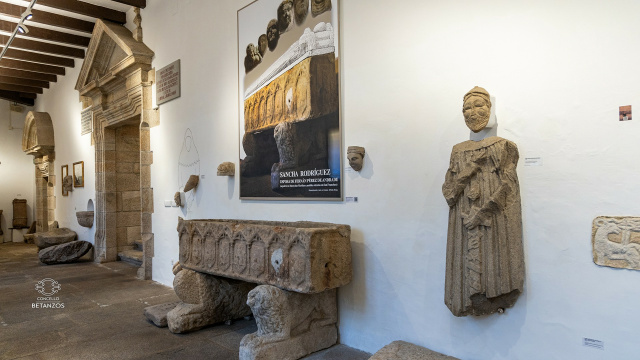
Museo das Mariñas
Extensive ethnographic collection of traditional costumes, photography and history.
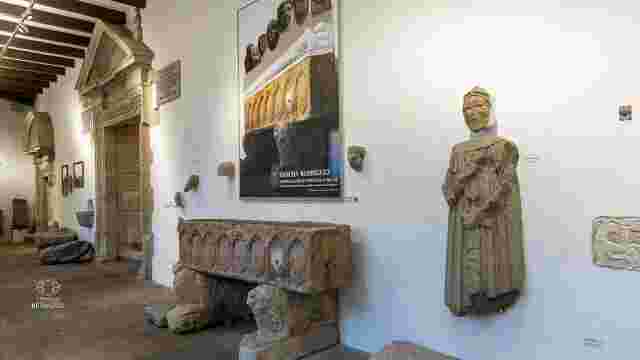
Museo das Mariñas
Extensive ethnographic collection of traditional costumes, photography and history.
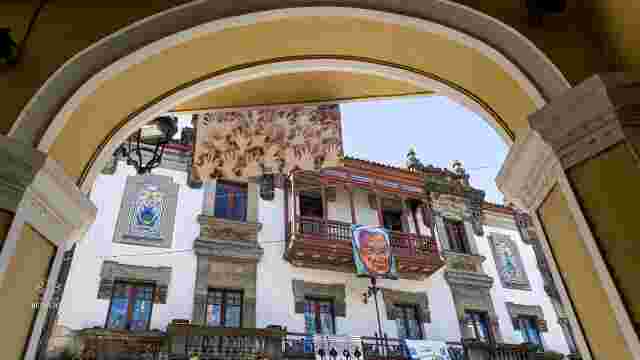
CIEC (International Centre for Contemporary Printmaking)
Printmaking workshop and museum, housed in the modernist building created by Rafael González Villar for the Núñez family.
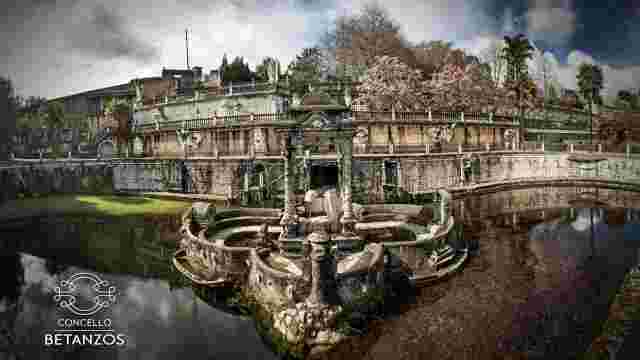
Pasatiempo Park
Historic garden created by Juan García Naveira in the late 19th century, famous for its grottoes, sculptures and social and cultural symbolism.
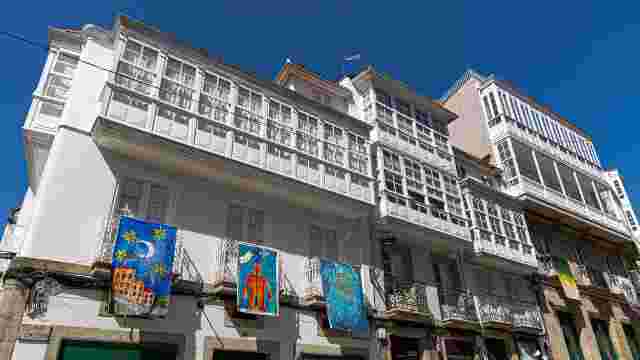
As Balconadas