The Museo das Mariñas is a museum of history and ethnography. It is located in the former Convent of Santo Domingo in Betanzos and was inaugurated in 1983. The same building also houses the municipal archive and library. The museum is divided into two floors. On the ground floor, historical pieces from the regions linked to Betanzos are exhibited. One section features Galician jewellery from the Second Iron Age, such as torcs and bracelets. Another section displays various medieval remains, including tombs of figures from the clergy, the nobility, and the town of Betanzos. Notable examples include the presumed physician Fernán Pérez de Andrade (14th century) and his wife Sancha Rodríguez, Nuno Freire de Andrade (15th century), Andrade “the Younger” (c. 15th century), and Irmandiño figures such as Afonso de Carvallido. On the first floor are the doors of the Archive of the Hospital of Saint Anthony of Padua in Betanzos, dating from 1674, as well as oil paintings from the Apostolate of the Rubens School originating from Antwerp. The museum also includes a small costume museum with fabrics, festive attire, traditional Galician dress, and looms. The upper floor further features a collection of symbols of the Spanish Republican government, the Galician nationalist movement, and the Irmandades da Fala of Betanzos.
Betanzos Through the Eyes of Artists
Route exploring the places that inspired artists and reflect the cultural and landscape richness of Betanzos.
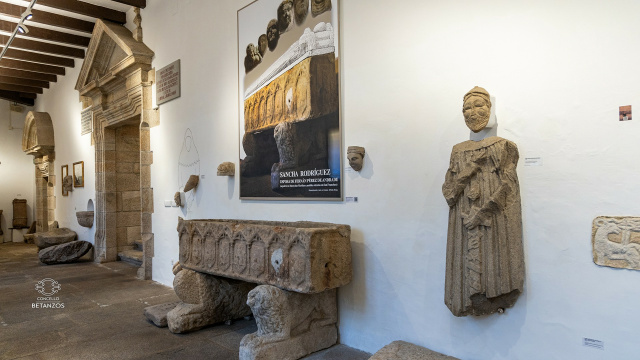
Museo das Mariñas
Extensive ethnographic collection of traditional costumes, photography and history.
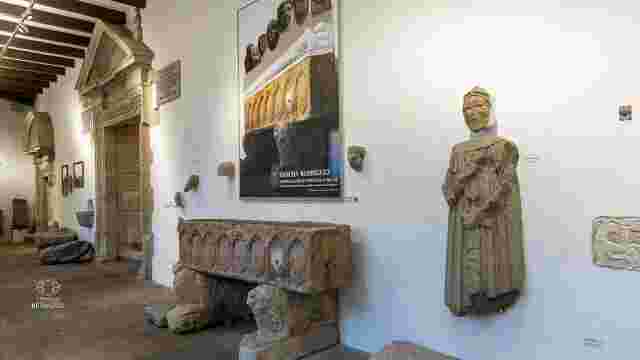
Museo das Mariñas
Extensive ethnographic collection of traditional costumes, photography and history.
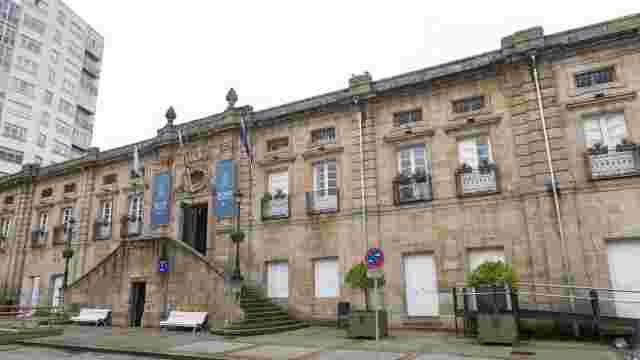
Archive–Liceo Building
18th-century neoclassical building created to house the Archive of the Kingdom of Galicia and now home to the Liceo of Betanzos.
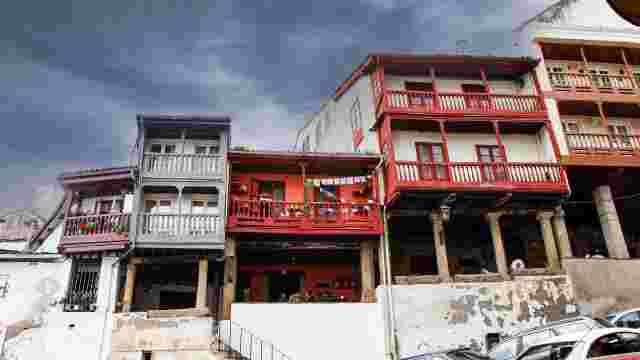
Mariñán-style houses of Fonte de Unta, A Cañota and Rúa Quiroga
Traditional agricultural neighbourhood of Fonte de Unta, characterised by arcades and wooden balconies used as urban granaries.
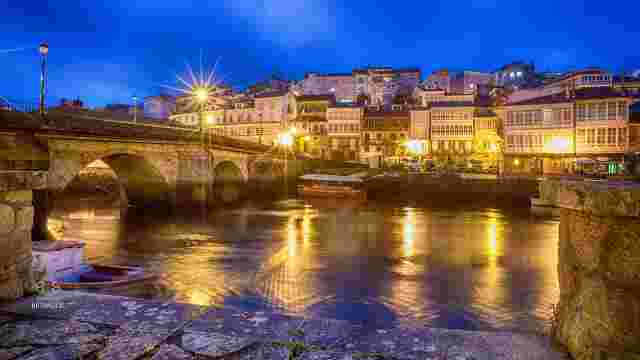
Old Bridge
Medieval bridge documented since 1219, with five arches and 59 metres in length, now crossed by pilgrims on the English Way.
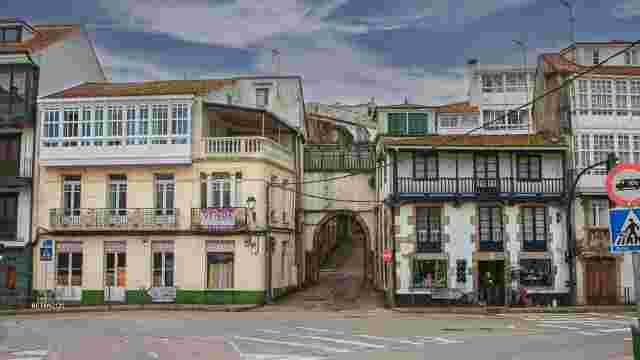
New Bridge Gate
15th-century medieval gate, the best preserved in the city, with remains of towers and a pointed double inner arcade.
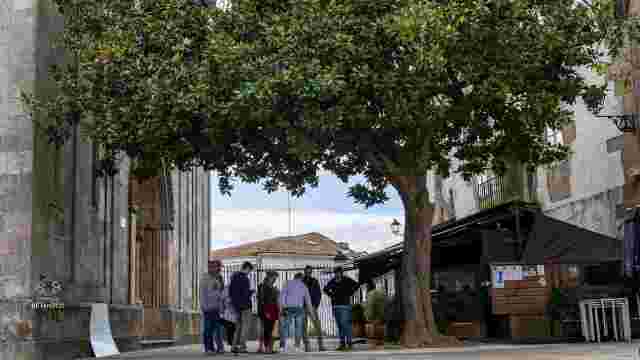
Lanzós Magnolia Tree
Historic grove of magnolias planted in 1884, located between the Church of Santiago and the Pazo of Lanzós, highly appreciated for its summer shade.