Women’s heritage in Betanzos
Urban route through spaces, traditions and festive practices in Betanzos that highlight the historical and social role of women in community life.
Women’s heritage in Betanzos
Urban route through spaces, traditions and festive practices in Betanzos that highlight the historical and social role of women in community life.
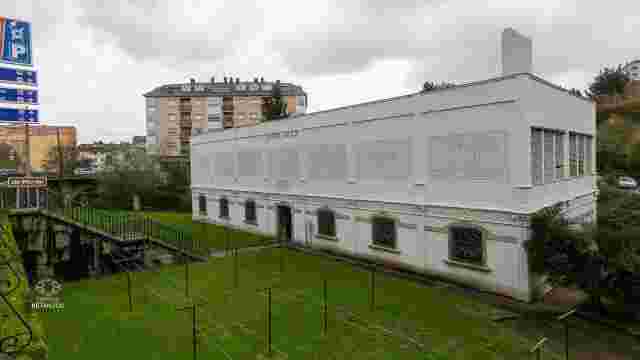
Free Public Washhouse
Public washhouse inaugurated in 1902 by the García Naveira brothers, with two levels and capacity for more than twenty washerwomen according to the tides.
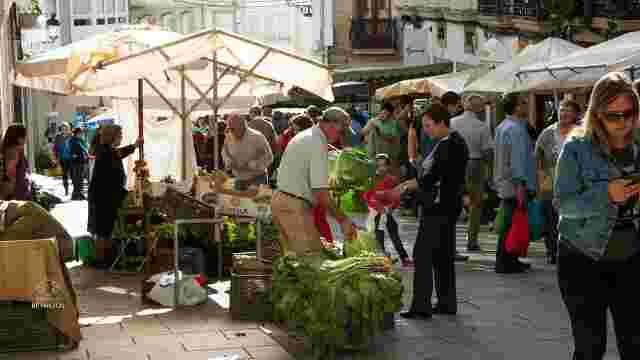
Weekly Markets
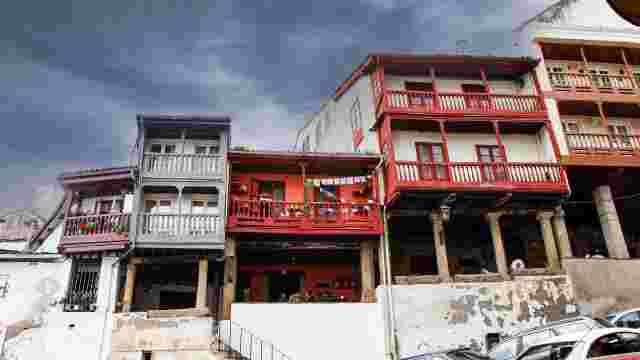
Mariñán-style houses of Fonte de Unta, A Cañota and Rúa Quiroga
Traditional agricultural neighbourhood of Fonte de Unta, characterised by arcades and wooden balconies used as urban granaries.
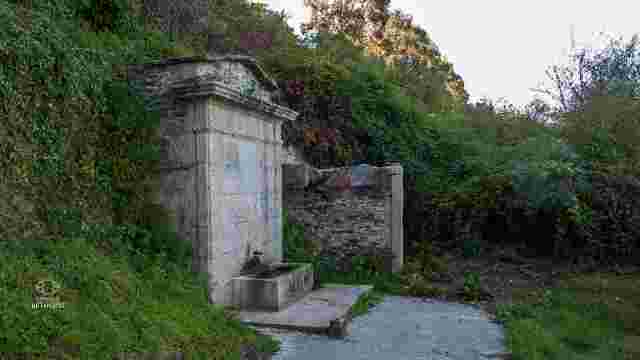
Fonte da Cangrexeira
Fountain cited in documents from 1633, also known as the San Gregorio Fountain, linked to the port and the Magdalena district.
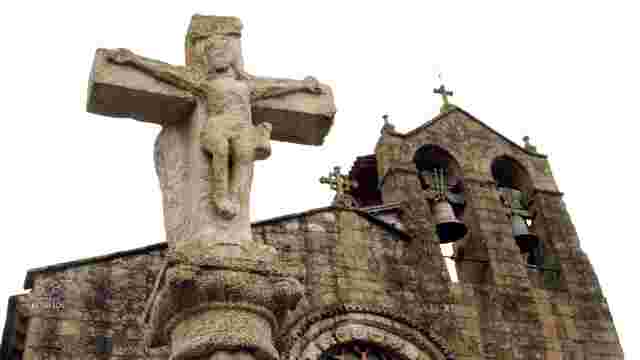
Santa María Stone Cross
Stone cross located in the historic centre of Betanzos.
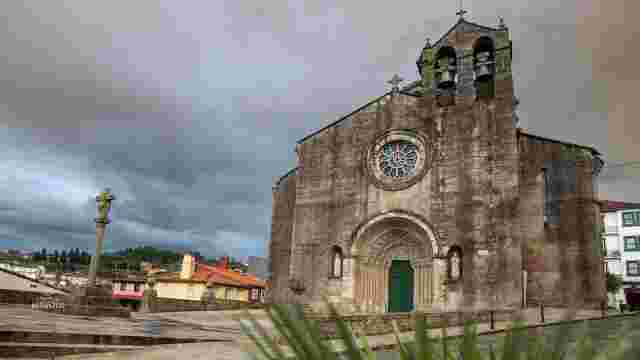
Church of Santa María do Azogue
14th–15th century Gothic church with Flemish altarpieces, mural paintings and tombs of medieval Betanzos society.
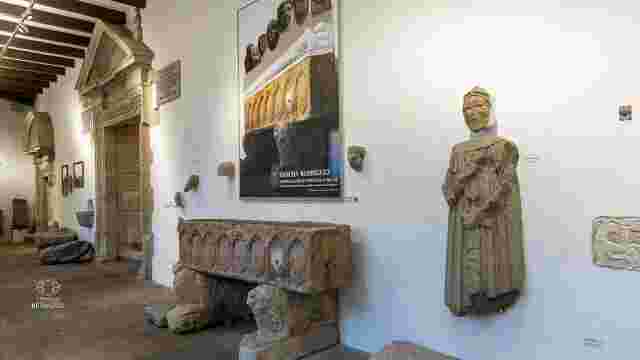
Museo das Mariñas
Extensive ethnographic collection of traditional costumes, photography and history.
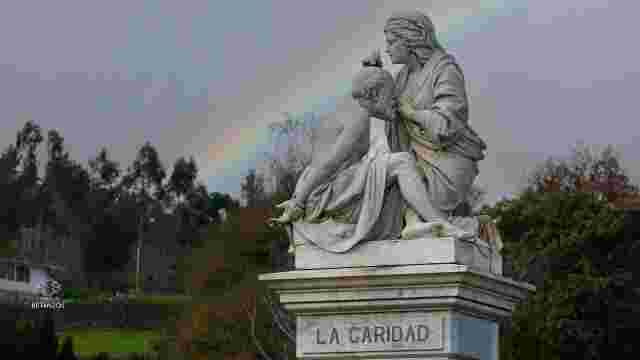
Statue of Charity
Contemporary sculpture “Charity”, a reinterpretation of Roman Charity, symbolising solidarity and the philanthropic legacy of the García Naveira brothers.
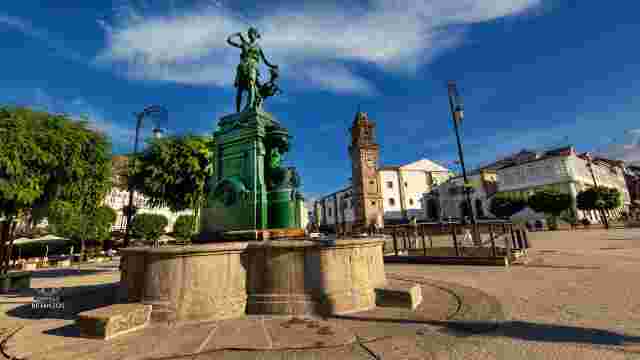
Diana the Huntress Fountain
Monumental fountain inaugurated in 1867, a replica of the Diana of the Louvre and one of Betanzos’ most recognisable urban symbols.
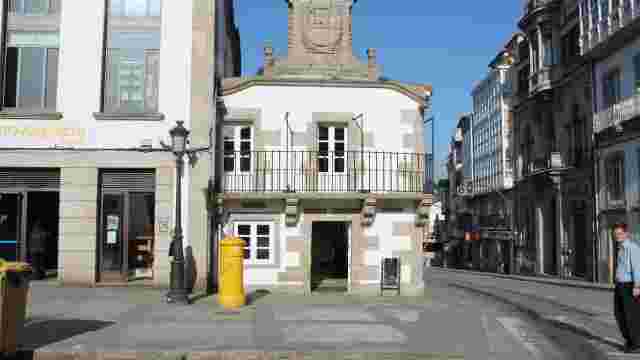
Orphans’ School
18th-century building with balcony and city coat of arms, founded as a school and now used for municipal services.