Essentials
The essential places and experiences to discover the essence of Betanzos on a first visit
Essentials
The essential places and experiences to discover the essence of Betanzos on a first visit
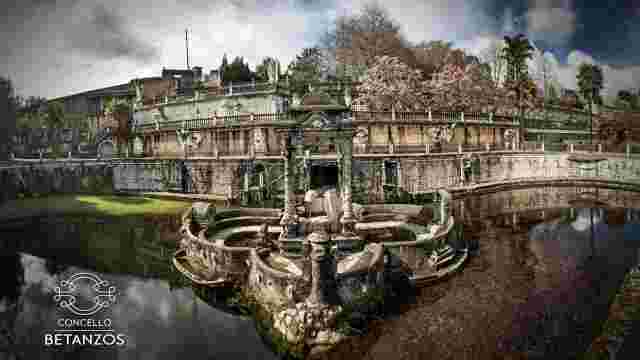
Pasatiempo Park
Historic garden created by Juan García Naveira in the late 19th century, famous for its grottoes, sculptures and social and cultural symbolism.
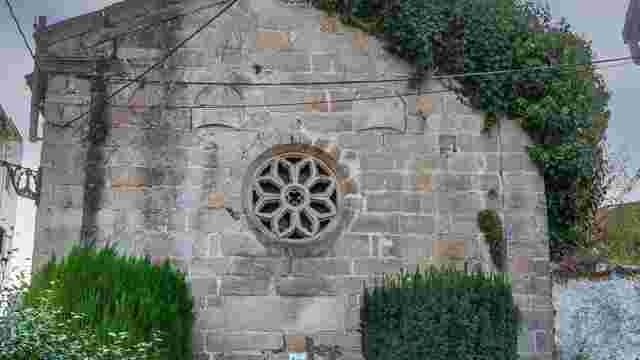
Magdalena Chapel
Small 18th-century chapel, heir to a former medieval hospital for lepers under the dedication of Saint Lazarus.
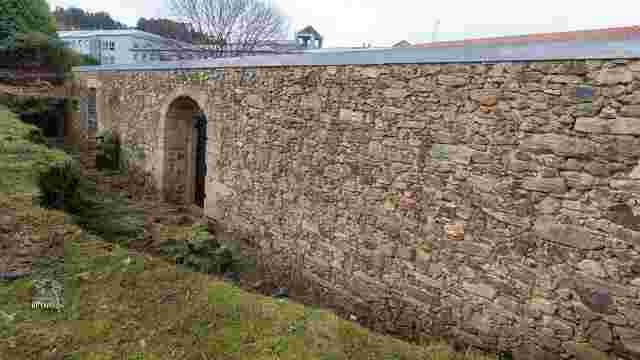
Convent of Donas
Former medieval convent with origins in the 11th century, linked to As Donas and the Las Cascas priory, now partially in ruins.
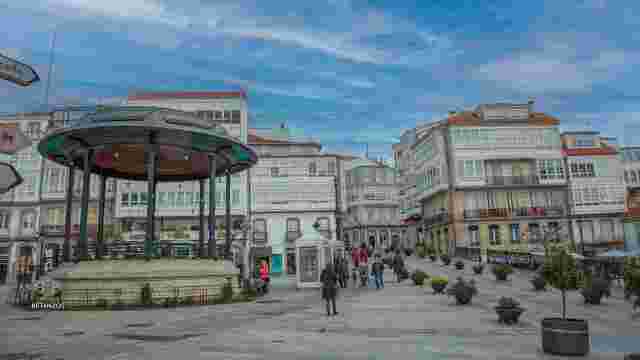
Porta da Vila
Former medieval gate of Betanzos, also known as the Royal Gate, decorated with the coats of arms of Galicia, Castile and León, and the city.
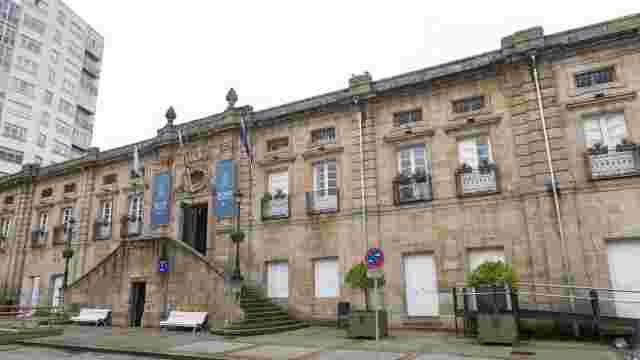
Archive–Liceo Building
18th-century neoclassical building created to house the Archive of the Kingdom of Galicia and now home to the Liceo of Betanzos.
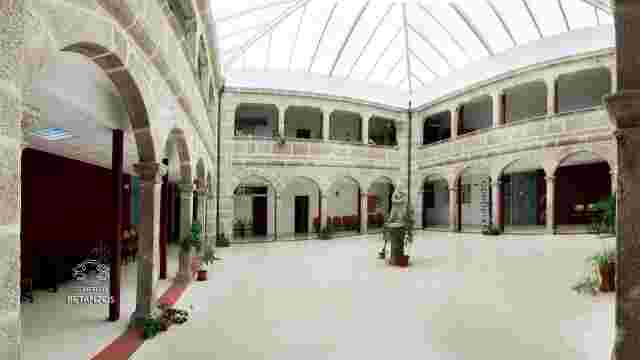
Former Hospital of San Antonio
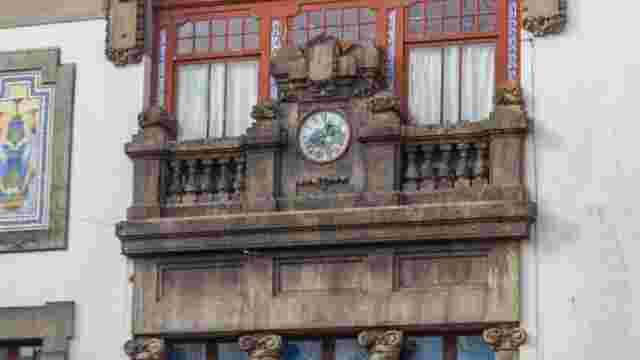
Casa Núñez
Modernist building by Rafael González Villar combining architecture, commerce and art, now home to the CIEC Foundation.
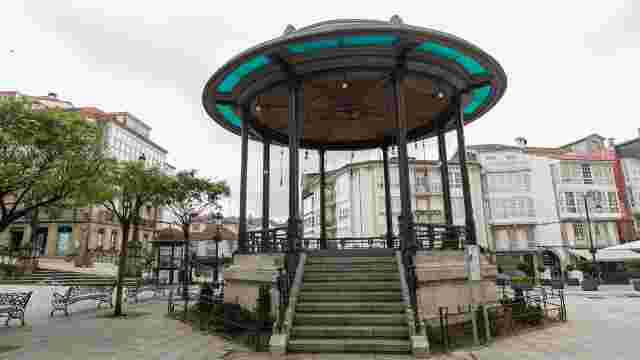
Bandstand
Neoclassical 18th-century manor house, with an L-shaped floor plan and a large heraldic coat of arms, promoted by Archbishop Sánchez Baamonde.
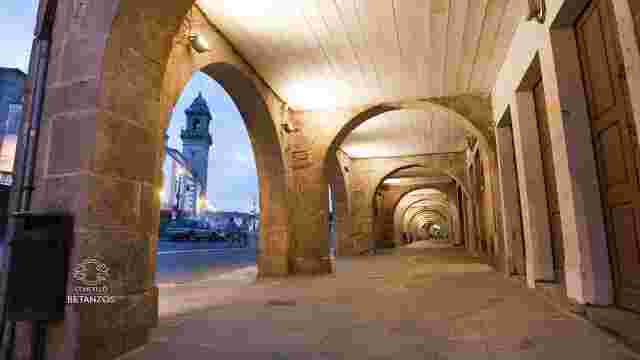
Soportales del Campo Arcades
Popular street with gallery houses and arcades, now an area of bars and restaurants and a social meeting point in Betanzos.
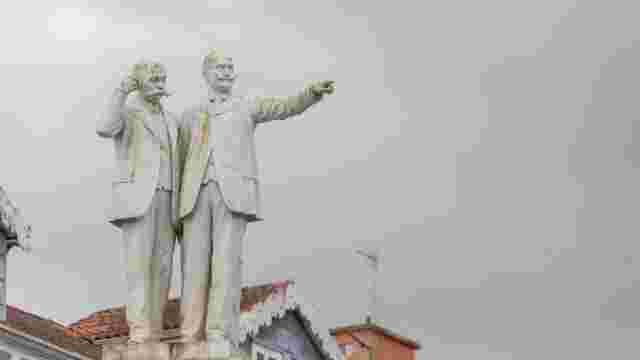
García Naveira Brothers Statue
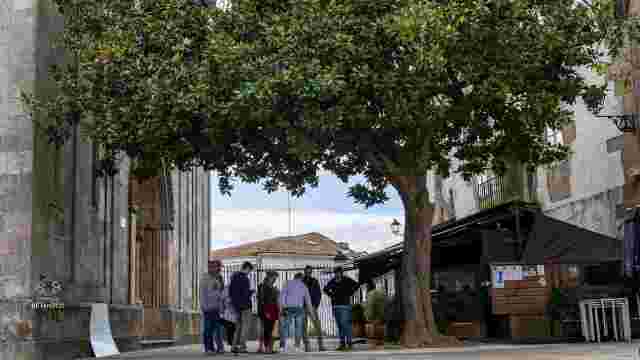
Lanzós Magnolia Tree
Historic grove of magnolias planted in 1884, located between the Church of Santiago and the Pazo of Lanzós, highly appreciated for its summer shade.
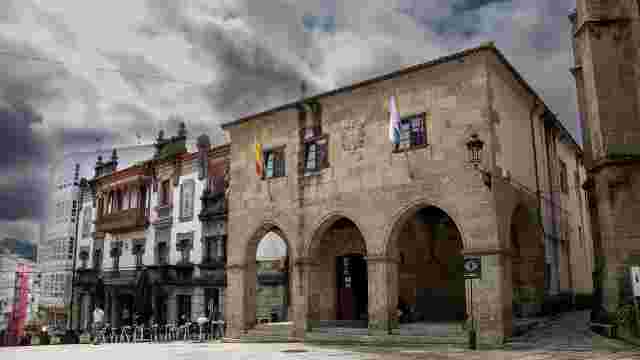
Pazo de Bendaña
Historic building from the 15th and 16th centuries with pointed arcade and coats of arms, still serving as the headquarters of the Treasury.
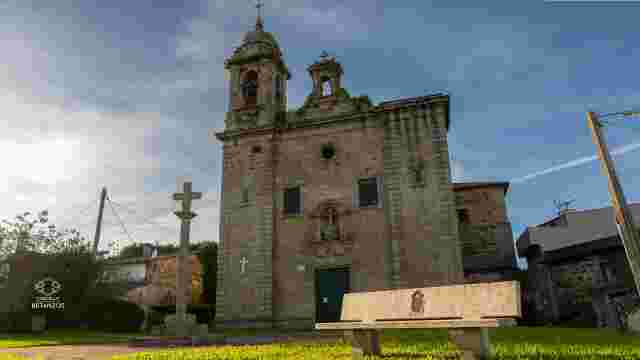
Church of As Angustias
18th-century Baroque church with a Latin cross plan, notable for its imposing stone façade.
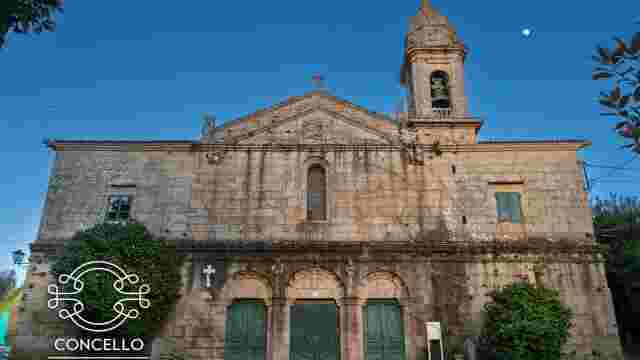
Church of Our Lady of the Way
Renaissance sanctuary linked to the English Way, associated with Marian legends and the historic care of pilgrims.
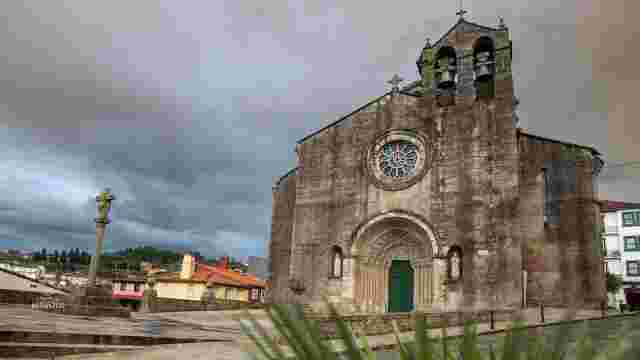
Church of Santa María do Azogue
14th–15th century Gothic church with Flemish altarpieces, mural paintings and tombs of medieval Betanzos society.
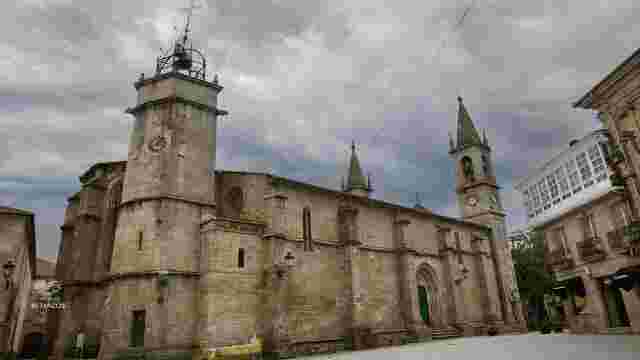
Church of Santiago
15th-century church transitioning from Romanesque to Gothic, linked to Fernán Pérez de Andrade and the Way of Saint James.
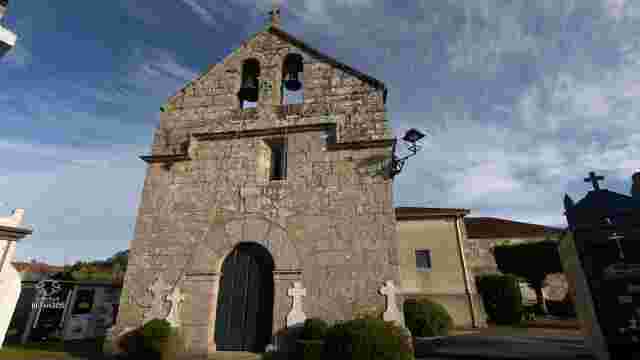
Parish Church of San Esteban de Piadela
16th-century church with a single nave, of undefined style, featuring interesting volumes and a distinctive bell tower integrated into the façade.
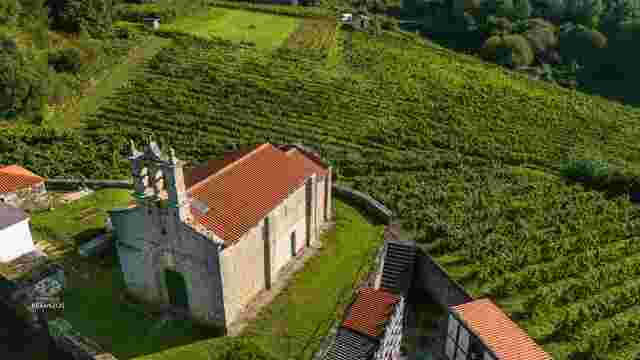
Parish Church of San Martín de Bravío
12th-century Romanesque church with a simple structure, triumphal arch and a dominant double bell gable.
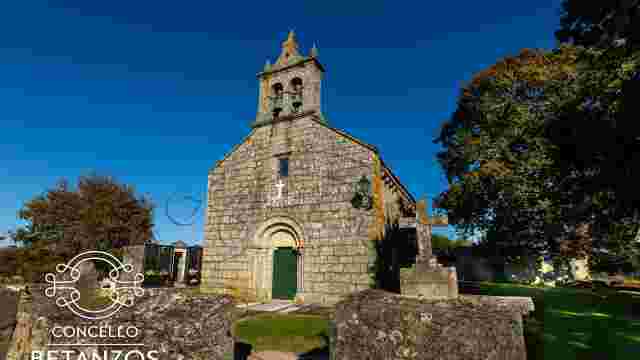
Parish Church of San Martín de Tiobre
12th-century Romanesque church with a single nave and rich sculptural decoration on the portal and bell gable.
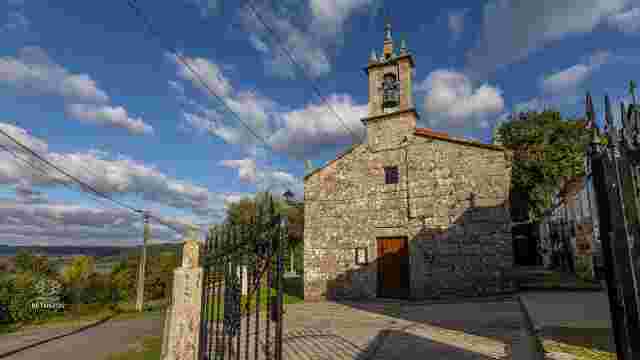
Parish Church of Santa María de Pontellas
13th-century Romanesque church with a single nave, pointed triumphal arch and simple bell gable, a sober example of rural Galician Romanesque.
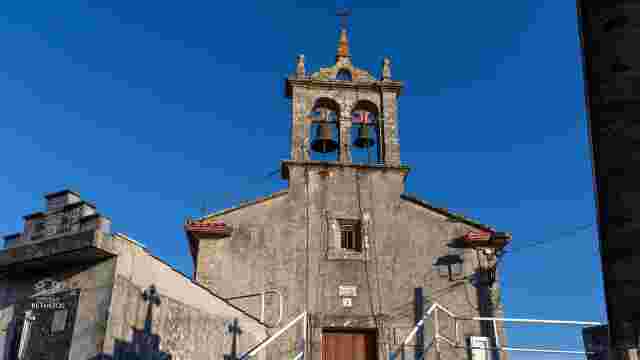
Parish Church of Santiago de Requián
Baroque church with a single nave, gallery and prominent double bell gable, representative of popular religious architecture in the region.
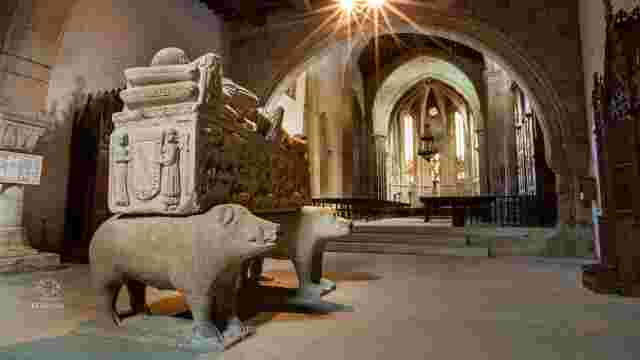
Church and Convent of San Francisco
14th-century Gothic temple declared a BIC, with extraordinary tombs of the Andrade family and rich sculptural decoration.
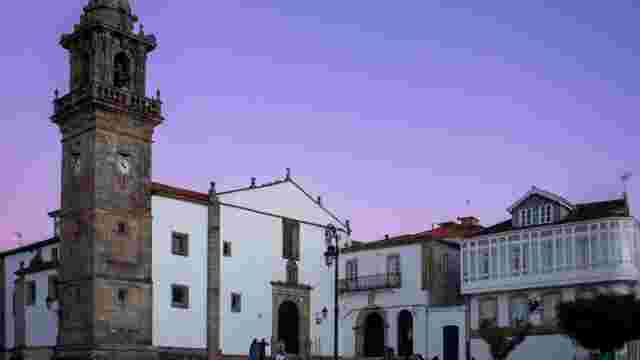
Church and Convent of Santo Domingo
Dominican church and convent begun in the 16th century, with a historic cloister and the tower from which the traditional San Roque balloon is launched.
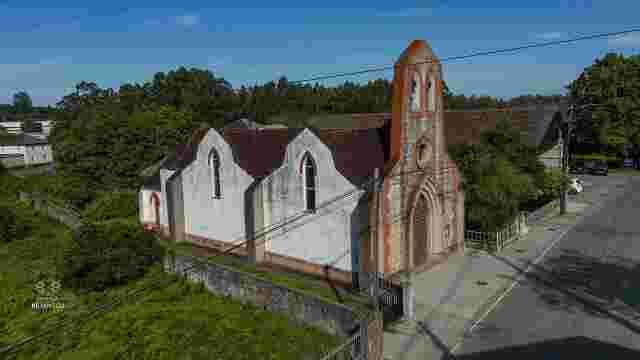
Chapel of Our Lady of Amparo
Neoclassical chapel dedicated to Our Lady of Amparo, with a simple façade and granite niche housing the Virgin’s image.
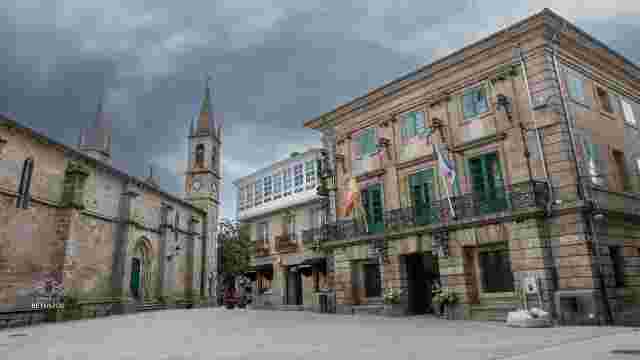
Town Hall
Neoclassical Town Hall designed by Ventura Rodríguez, with historic coats of arms and an outstanding art collection inside.